
Keto Coffee Enhanced with MCT Oil
Quick Answer
- Start with your favorite brewed coffee, ideally medium to dark roast.
- Measure 1-2 tablespoons of MCT oil per cup of coffee.
- Blend the coffee and MCT oil using an immersion blender or a high-powered blender until emulsified.
- Add unsweetened milk, cream, or a dairy-free alternative if desired.
- Sweeten to taste with a keto-friendly sweetener like stevia or erythritol, if needed.
- Serve immediately and enjoy your rich, frothy keto coffee.
Who This Is For
- Individuals following a ketogenic diet looking to incorporate healthy fats into their morning routine.
- Coffee drinkers seeking a more satiating and energizing beverage to start their day.
- Those interested in the potential cognitive and metabolic benefits associated with MCT oil.
What to Check First
Before you dive into making your keto coffee, ensure you have the right components and conditions for the best results.
Brewer Type and Filter Type
The coffee maker you use will influence the flavor and body of your base coffee. Whether you use a drip machine, French press, pour-over, or AeroPress, each will produce a different cup. The filter type (paper, metal, or cloth) also plays a role in what compounds, like oils and fine sediment, end up in your brew. For keto coffee, a clean, strong brew is key, so ensure your chosen method is functioning correctly.
Water Quality and Temperature
The foundation of any good coffee is water. If your tap water has a strong taste or odor, it will carry over into your coffee. Consider using filtered water for a cleaner, more neutral base. The ideal brewing temperature for most coffee methods is between 195°F and 205°F. Water that is too cool will result in under-extraction, leading to a weak and sour cup. Water that is too hot can scald the coffee grounds, causing bitterness.
Grind Size and Coffee Freshness
The grind size is crucial for proper extraction and depends heavily on your brewing method. For example, a French press requires a coarse grind, while espresso needs a fine grind. Using the wrong grind size can lead to over- or under-extraction. Freshly roasted and ground coffee beans offer the most vibrant flavor. Aim to grind your beans just before brewing for optimal aroma and taste. Pre-ground coffee loses its potency much faster.
Coffee-to-Water Ratio
The ratio of coffee grounds to water directly impacts the strength and flavor of your brew. A common starting point for drip coffee is around 1:15 to 1:18 (grams of coffee to grams of water). For keto coffee, you generally want a robust, full-bodied brew to stand up to the added MCT oil and any creamers. Experimenting within a range of 1:12 to 1:16 can help you find your preferred strength.
Cleanliness/Descale Status
A dirty coffee maker can impart stale, bitter, or even metallic flavors into your brew. Regularly cleaning your coffee machine, including descaling it according to the manufacturer’s instructions, is vital. Mineral buildup from water can affect both the taste of your coffee and the performance of your machine. A clean brewer ensures that only the coffee’s natural flavors shine through.
Step-by-Step: How to Make Keto Coffee with MCT Oil
Follow these steps to create a delicious and energizing cup of keto coffee.
1. Brew Your Coffee
- What to do: Prepare your favorite cup of black coffee using your preferred brewing method. Aim for a strong, rich brew.
- What “good” looks like: A flavorful, hot cup of black coffee with no off-tastes.
- Common mistake and how to avoid it: Using stale or poorly brewed coffee. Avoid this by using freshly ground beans and ensuring your brewing water is at the correct temperature (195-205°F).
2. Measure Your MCT Oil
- What to do: Measure 1 to 2 tablespoons of MCT oil. Start with 1 tablespoon if you are new to MCT oil to assess tolerance.
- What “good” looks like: The correct amount of MCT oil measured out, ready to be added.
- Common mistake and how to avoid it: Using too much MCT oil initially. Avoid this by starting with a smaller amount (1 tbsp) and gradually increasing as your body adjusts.
3. Add MCT Oil to Coffee
- What to do: Pour the measured MCT oil directly into your hot brewed coffee.
- What “good” looks like: The MCT oil is in the coffee, ready for blending.
- Common mistake and how to avoid it: Not adding the MCT oil while the coffee is hot. Avoid this by adding it immediately after brewing, as heat helps with emulsification.
4. Add Optional Creamer
- What to do: If desired, add 1-2 tablespoons of unsweetened heavy cream, half-and-half, or a keto-friendly dairy-free alternative like unsweetened coconut milk or almond milk.
- What “good” looks like: Your desired amount of creamer is in the cup with the coffee and MCT oil.
- Common mistake and how to avoid it: Using sweetened creamers. Avoid this by always checking labels for added sugars, as they will kick you out of ketosis.
5. Blend the Mixture
- What to do: Transfer the coffee, MCT oil, and optional creamer to a blender (immersion blender or standard blender). Blend on high speed for 30-60 seconds.
- What “good” looks like: A frothy, emulsified mixture that is smooth and creamy, with no visible oil separation.
- Common mistake and how to avoid it: Not blending long enough or using a whisk alone. Avoid this by blending until truly emulsified; a blender is key for a smooth texture.
6. Sweeten to Taste (Optional)
- What to do: If you prefer a sweeter coffee, add a keto-friendly sweetener like stevia, erythritol, or monk fruit extract to taste. Blend briefly again to incorporate.
- What “good” looks like: The coffee is sweetened to your liking without any gritty texture.
- Common mistake and how to avoid it: Using sugar or regular artificial sweeteners. Avoid this by sticking to sweeteners that do not spike insulin, such as stevia or erythritol.
If you prefer a sweeter coffee, add a keto-friendly sweetener like stevia, erythritol, or monk fruit extract to taste. We recommend this keto sweetener (ASIN B0CD1DGVPD) for a sugar-free option.
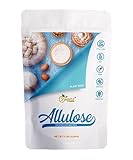
- 【AMAZING TASTE AND CALORIE-FREE】 Allulose is a monosaccharide or simple sugar that naturally exists in some fruits. It closely resembles the flavor of regular sugar but without any unpleasant aftertaste. Allulose is about 70% as sweet as sugar, but contains less than 10% of the calories found in sucrose, making it virtually calorie-free while still providing the natural sweetness of sugar.
- 【GREAT TEXTURE, VOLUME, AND CARAMELIZATION】 Allulose virtually replicates the texture and volume of sugar, while also demonstrating similar caramelization and thickening properties when used in baking and cooking. These exceptional characteristics set allulose apart as an excellent ingredient for achieving desired outcomes in a wide range of culinary applications that align with your healthy lifestyle.
- 【MORE ALLULOSE BLENDS】 Going beyond Allulose, G-Sweetz Allulose sweeteners broaden your options by blending with a variety of intensive sweeteners such as Monk Fruit extract, Stevia Extract, a combination of both, or the classic sucralose. Each sweetener series, derived from Allulose blends, provides a range of sweetness levels from 1X to 20X, ensuring both your sweet tooth and budget are perfectly catered to!
- 【HEALTHY CHOICES】 Upgrade your sweet experience with a sugary-tasting sweetener that's Keto-friendly, containing 0 net carbs. Our allulose is derived from natural ingredients and is free of GMOs, additives, artificial flavors, soy, and gluten. This sweetener is also vegan-friendly, tooth-friendly, and has zero sugar. Enjoy its delicious taste without worrying about any negative side effects.
- 【US QUALITY】 Our products are made and tested in accordance with approved product standards. Our facilities are registered with the FDA and comply with the regulations and licensing requirements of the New Jersey Department of Health and Earth Kosher. For any product inquiries, our US-based live support team is available to assist you.
7. Pour and Serve
- What to do: Pour your freshly blended keto coffee into your favorite mug.
- What “good” looks like: A rich, creamy, and frothy beverage ready to be enjoyed.
- Common mistake and how to avoid it: Letting it sit too long before drinking. Avoid this by serving immediately for the best texture and temperature.
Common Mistakes (and What Happens If You Ignore Them)
| Mistake | What It Causes | Fix |
|---|---|---|
| Using stale or poorly brewed coffee | Weak, sour, or bitter taste; doesn’t mask the MCT oil flavor well. | Use freshly ground, high-quality beans and brew at the correct temperature (195-205°F). |
| Using too much MCT oil initially | Digestive upset, including stomach cramps, bloating, or diarrhea. | Start with 1 tablespoon and gradually increase as your body tolerates it. |
| Not blending long enough | Oily texture, separation of ingredients, and a less appealing mouthfeel. | Blend for at least 30-60 seconds until fully emulsified and frothy. |
| Using sweetened creamers or sweeteners | Disrupts ketosis due to sugar or carbohydrate intake. | Always opt for unsweetened creamers and keto-friendly sweeteners like stevia or erythritol. |
| Using cold coffee | Difficulty emulsifying the MCT oil, resulting in an oily layer and poor texture. | Ensure your coffee is hot before adding MCT oil and blending. |
| Improper grind size for base coffee | Over-extraction (bitter) or under-extraction (weak, sour) of the coffee, affecting the overall flavor profile. | Match your grind size to your brewing method (e.g., coarse for French press, fine for espresso). |
| Not cleaning the coffee maker regularly | Rancid or metallic flavors from old coffee oils and mineral buildup. | Clean your brewer thoroughly and descale it as recommended by the manufacturer. |
| Adding MCT oil to cold or lukewarm coffee | Incomplete emulsification, leading to an oily separation and less creamy texture. | Always add MCT oil to hot coffee to facilitate proper blending and a smooth, creamy consistency. |
| Ignoring digestive adjustments to MCT oil | Persistent digestive discomfort that can deter you from enjoying keto coffee. | Be patient and allow your digestive system to adapt; start with small doses and increase slowly. |
| Using a low-quality MCT oil | May have a stronger, less pleasant taste or be less effective. | Choose a reputable brand of 100% MCT oil, preferably derived from coconut. |
Decision Rules
- If you are new to MCT oil, then start with 1 tablespoon per serving because it helps your digestive system adjust gradually.
- If you experience digestive discomfort after consuming keto coffee, then reduce the amount of MCT oil or take a break because your body may need more time to adapt.
- If your keto coffee tastes oily or separates, then blend it for longer because insufficient blending is the primary cause of emulsification failure.
- If you want a creamier texture, then add a small amount of unsweetened heavy cream or full-fat coconut milk because these fats will enhance the richness.
- If your base coffee tastes weak or sour, then adjust your coffee-to-water ratio or grind size because proper extraction is crucial for flavor.
- If you are concerned about blood sugar spikes, then use only keto-approved sweeteners like stevia or erythritol because sugar will disrupt ketosis.
- If your coffee maker has been neglected, then thoroughly clean and descale it before brewing because residual oils and minerals will negatively impact taste.
- If you prefer a stronger coffee flavor to balance the MCT oil, then use a darker roast or a more concentrated brewing method because this provides a robust base.
- If you are sensitive to caffeine, then consider using decaffeinated coffee as your base because this allows you to enjoy the benefits of keto coffee without the jitters.
- If you want to enhance the flavor, then add a dash of cinnamon or vanilla extract (ensure no added sugar) because these spices can complement the coffee and MCT oil.
FAQ
What is MCT oil, and why is it used in keto coffee?
MCT stands for Medium-Chain Triglyceride. MCT oil is a type of fat that is easily digested and quickly converted into energy by the liver, bypassing the normal digestive process. It’s popular in keto coffee because it adds healthy fats, which are essential for a ketogenic diet, and can contribute to increased satiety and mental clarity.
How much MCT oil should I use?
For beginners, it’s recommended to start with 1 tablespoon per cup of coffee. As your body adjusts, you can gradually increase the amount to 2 tablespoons or more, depending on your personal tolerance and dietary needs. Always listen to your body and adjust accordingly.
Can I use any type of coffee for keto coffee?
Yes, you can use your favorite brewed coffee. However, a medium to dark roast coffee often provides a richer flavor that stands up well to the MCT oil and any added creamers. Ensure it’s brewed strong for the best taste experience.
What happens if I don’t blend my keto coffee?
If you don’t blend your keto coffee, the MCT oil will likely separate from the coffee, creating an oily layer on top. This can result in an unappealing texture and mouthfeel, and it may be harder to digest. Blending emulsifies the oil and coffee, creating a smooth, creamy, and homogenous beverage.
Can I sweeten my keto coffee?
Yes, you can sweeten your keto coffee, but it’s important to use keto-friendly sweeteners. Options include stevia, erythritol, monk fruit extract, or xylitol (though xylitol is toxic to dogs). Avoid regular sugar or honey, as these will disrupt ketosis.
Will drinking keto coffee help me lose weight?
Keto coffee can be a tool for weight management on a ketogenic diet by increasing satiety and providing sustained energy, which may help reduce overall calorie intake. However, it’s not a magic bullet for weight loss and should be part of a balanced ketogenic diet and lifestyle.
What are the potential side effects of MCT oil?
The most common side effects are digestive in nature, such as stomach upset, cramping, or diarrhea, especially when starting with higher doses. These often subside as your body becomes accustomed to it. Starting with a small amount and gradually increasing is key to minimizing these effects.
Can I add other ingredients to my keto coffee?
Absolutely. Beyond MCT oil and unsweetened creamers, you can add spices like cinnamon or nutmeg, or sugar-free extracts like vanilla. Some people also add butter for “bulletproof coffee,” another popular high-fat coffee drink.
What This Page Does Not Cover (and Where to Go Next)
- Specific brands or product recommendations for MCT oil or coffee beans.
- Detailed health claims or medical advice regarding ketogenic diets or MCT oil consumption.
- Recipes for advanced keto coffee variations beyond the basic preparation.
Where to go next:
- Explore different brewing methods for your base coffee.
- Research the science behind ketogenic diets and MCT oil benefits.
- Investigate other keto-friendly breakfast or snack recipes.