
Creamy Keto Coffee Recipe
Quick Answer
- For creamy keto coffee, start with fresh, quality coffee brewed to your liking.
- Use full-fat heavy cream or coconut cream for richness and healthy fats.
- Blend your brewed coffee with your chosen cream and optional sweetener for a smooth, frothy texture.
- Ensure your coffee maker is clean for the best flavor.
- Experiment with sweeteners like erythritol or stevia to achieve your preferred sweetness level.
- Add optional ingredients like MCT oil or butter for an extra ketogenic boost.
Who This Is For
- Individuals following a ketogenic diet looking for a satisfying coffee beverage.
- Anyone seeking a richer, creamier coffee experience beyond traditional milk or creamer.
- Busy individuals who want a quick and easy way to prepare a keto-friendly drink at home.
What to Check First
- Brewer Type and Filter Type: Ensure your coffee maker is functioning correctly and you are using the appropriate filter for your brewing method. For example, a French press requires a coarse grind and its own metal filter, while a drip machine uses paper or reusable mesh filters. Using the wrong filter can lead to sediment in your cup or a weak brew.
- Water Quality and Temperature: Start with filtered or good-tasting tap water. Avoid distilled water, as it can result in a flat taste. For most brewing methods, water heated to between 195-205°F (90-96°C) is ideal. Water that is too cool will under-extract the coffee, leading to a sour taste, while water that is too hot can scorch the grounds, resulting in bitterness.
- Grind Size and Coffee Freshness: Use freshly roasted coffee beans and grind them just before brewing. The grind size should match your brewing method: coarse for French press, medium for drip, and fine for espresso. Stale coffee or the wrong grind size will significantly impact the flavor, often leading to a dull or bitter cup.
- Coffee-to-Water Ratio: A common starting point for a strong, flavorful cup is a ratio of 1:15 to 1:17 (coffee grounds to water by weight). For example, using 2 tablespoons (about 10-12 grams) of coffee for every 6 oz of water. Too little coffee will result in a weak, watery drink, while too much can make it overly bitter or sludge-like.
- Cleanliness/Descale Status: A dirty coffee maker can impart stale or bitter flavors to your brew. Regularly clean your coffee maker according to the manufacturer’s instructions. If you notice a buildup of mineral deposits (scale), descale your machine. This is crucial for both taste and the longevity of your appliance.
Step-by-Step: How to Make Keto Coffee with Cream
1. Brew Your Coffee:
- What to do: Prepare your coffee using your preferred brewing method (drip, pour-over, French press, etc.). Use fresh, quality coffee beans ground to the appropriate size for your brewer.
- What “good” looks like: Aromatic, well-extracted coffee that is free of grounds or excessive sediment. The color should be a rich brown, not muddy or watery.
- Common mistake and how to avoid it: Using pre-ground coffee that has been sitting in the pantry. Avoid this by grinding your beans right before brewing for maximum freshness and flavor.
2. Measure Your Cream:
- What to do: Measure out 2-4 tablespoons of heavy whipping cream or full-fat coconut cream. Adjust this amount based on your fat intake goals and desired creaminess.
- What “good” looks like: A measured amount that aligns with your keto macros and personal preference for richness.
- Common mistake and how to avoid it: Guessing the amount, which can lead to an overly rich or not-rich-enough beverage. Use measuring spoons for consistency.
3. Add Optional Sweetener (if using):
- What to do: Add your preferred keto-friendly sweetener to the cream or directly into the blender. Common options include erythritol, stevia, or monk fruit. Start with a small amount, as these can be potent.
- What “good” looks like: A sweetener that dissolves easily and provides a pleasant sweetness without an aftertaste.
- Common mistake and how to avoid it: Adding too much sweetener at once. It’s easier to add more than to take it away. Start with a little and taste as you go.
If you’re looking to sweeten your keto coffee, consider a keto sweetener like erythritol or stevia. These options provide sweetness without the carbs.
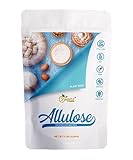
- 【AMAZING TASTE AND CALORIE-FREE】 Allulose is a monosaccharide or simple sugar that naturally exists in some fruits. It closely resembles the flavor of regular sugar but without any unpleasant aftertaste. Allulose is about 70% as sweet as sugar, but contains less than 10% of the calories found in sucrose, making it virtually calorie-free while still providing the natural sweetness of sugar.
- 【GREAT TEXTURE, VOLUME, AND CARAMELIZATION】 Allulose virtually replicates the texture and volume of sugar, while also demonstrating similar caramelization and thickening properties when used in baking and cooking. These exceptional characteristics set allulose apart as an excellent ingredient for achieving desired outcomes in a wide range of culinary applications that align with your healthy lifestyle.
- 【MORE ALLULOSE BLENDS】 Going beyond Allulose, G-Sweetz Allulose sweeteners broaden your options by blending with a variety of intensive sweeteners such as Monk Fruit extract, Stevia Extract, a combination of both, or the classic sucralose. Each sweetener series, derived from Allulose blends, provides a range of sweetness levels from 1X to 20X, ensuring both your sweet tooth and budget are perfectly catered to!
- 【HEALTHY CHOICES】 Upgrade your sweet experience with a sugary-tasting sweetener that's Keto-friendly, containing 0 net carbs. Our allulose is derived from natural ingredients and is free of GMOs, additives, artificial flavors, soy, and gluten. This sweetener is also vegan-friendly, tooth-friendly, and has zero sugar. Enjoy its delicious taste without worrying about any negative side effects.
- 【US QUALITY】 Our products are made and tested in accordance with approved product standards. Our facilities are registered with the FDA and comply with the regulations and licensing requirements of the New Jersey Department of Health and Earth Kosher. For any product inquiries, our US-based live support team is available to assist you.
4. Add Optional Boosters (if using):
- What to do: If you’re adding ingredients like MCT oil or unsalted butter, add them now to the blender.
- What “good” looks like: These ingredients are incorporated smoothly without separating.
- Common mistake and how to avoid it: Adding them to hot coffee without blending can lead to an oily separation. Blending ensures they emulsify.
5. Combine and Blend:
- What to do: Pour your brewed hot coffee into a blender. Add the cream mixture (and any optional boosters).
- What “good” looks like: All ingredients are in the blender, ready to be combined.
- Common mistake and how to avoid it: Overfilling the blender. Ensure there’s enough room for the contents to blend without overflowing.
6. Blend Until Frothy:
- What to do: Secure the lid on the blender. Start on a low speed and gradually increase to high. Blend for 30-60 seconds until the mixture is smooth, creamy, and frothy.
- What “good” looks like: A well-emulsified, frothy beverage with a texture similar to a latte. You should see a nice foam on top.
- Common mistake and how to avoid it: Not blending long enough. This can result in a separated or watery texture rather than a creamy, emulsified drink.
7. Pour and Serve:
- What to do: Carefully pour your creamy keto coffee into your favorite mug.
- What “good” looks like: A smooth, rich beverage with a pleasing aroma and a creamy texture.
- Common mistake and how to avoid it: Pouring too quickly, which can cause the foam to dissipate. Pour gently to preserve the froth.
8. Taste and Adjust:
- What to do: Take a sip. If needed, add a tiny bit more sweetener or cream and briefly re-blend.
- What “good” looks like: A perfectly balanced flavor and texture that meets your keto needs and taste preferences.
- Common mistake and how to avoid it: Not tasting and adjusting, leading to a less-than-ideal final product. This step ensures satisfaction.
Common Mistakes (and What Happens If You Ignore Them)
| Mistake | What It Causes | Fix |
|---|---|---|
| Using stale coffee beans | Bitter, flat, or dull coffee flavor; lack of aroma. | Use freshly roasted beans and grind them just before brewing. |
| Incorrect grind size | Under-extraction (sour, weak) or over-extraction (bitter, muddy). | Match grind size to your brewing method (coarse for French press, medium for drip, fine for espresso). |
| Water temperature too low | Sour, weak coffee due to under-extraction. | Heat water to 195-205°F (90-96°C) for most brewing methods. |
| Water temperature too high | Bitter, burnt coffee flavor due to over-extraction. | Let boiling water sit for 30-60 seconds before pouring, or use a temperature-controlled kettle. |
| Using tap water with strong tastes | Off-flavors in the final coffee that mask the coffee’s natural notes. | Use filtered water or good-tasting tap water. |
| Not cleaning the coffee maker | Stale, rancid, or metallic tastes; potential for mold growth. | Clean your coffee maker regularly according to the manufacturer’s instructions. |
| Not descaling the brewer | Slow brewing, weak coffee, and potential for mineral buildup affecting taste. | Descale your machine periodically as recommended by the manufacturer. |
| Using too much or too little cream | Unbalanced flavor; either too greasy or not creamy enough. | Measure your cream and adjust the amount to your preference and macro goals. |
| Not blending long enough | Separated ingredients, oily texture, or a watery consistency instead of frothy. | Blend for at least 30-60 seconds until well emulsified and frothy. |
| Adding sweetener without tasting | Overly sweet or not sweet enough coffee. | Start with a small amount of sweetener and taste, adding more as needed. |
Decision Rules for Creamy Keto Coffee
- If your coffee tastes sour, then your water temperature was likely too low, or your grind was too coarse for your brew method.
- If your coffee tastes bitter, then your water temperature was likely too high, or your grind was too fine for your brew method.
- If your coffee tastes weak, then you may have used too few coffee grounds or the wrong grind size for your brewer.
- If your coffee has an oily separation, then it needs to be blended longer to properly emulsify the fats.
- If your coffee tastes “off” or stale, then check the freshness of your coffee beans and the cleanliness of your brewer.
- If you want a richer flavor, then increase the amount of heavy cream or coconut cream you add.
- If you want less richness, then decrease the amount of cream or opt for a lighter option like half-and-half (though this may impact keto macros).
- If you’re new to keto sweeteners, then start with a very small amount and taste before adding more, as they can be potent.
- If you experience digestive issues with MCT oil, then start with a smaller dose or omit it.
- If your coffee isn’t frothy enough, then ensure you are using a blender and blending for an adequate amount of time.
FAQ
Q: What kind of coffee beans are best for keto coffee?
A: High-quality, freshly roasted Arabica beans are generally preferred for their flavor profile. The roast level is a matter of personal preference, with medium to dark roasts often being popular.
Q: Can I use regular milk in my keto coffee?
A: Regular milk contains carbohydrates (lactose) and is generally not recommended for a strict ketogenic diet. Heavy whipping cream or full-fat coconut cream are better, lower-carb alternatives.
Q: How much cream should I use?
A: A common starting point is 2-4 tablespoons of heavy cream or coconut cream per 8 oz cup of coffee. Adjust this based on your individual macro targets and desired richness.
Q: What are good keto-friendly sweeteners?
A: Popular options include erythritol, stevia, monk fruit, and xylitol (be cautious with xylitol around pets, as it’s toxic to dogs). Always check the ingredients to ensure they are pure and free from added sugars.
Q: Can I make keto coffee ahead of time?
A: It’s best to brew your coffee fresh and blend it just before drinking to achieve the best texture and flavor. While you can store brewed coffee, blending it later might result in a less frothy or separated consistency.
Q: What is MCT oil and why is it used in keto coffee?
A: MCT (Medium-Chain Triglyceride) oil is a type of fat that is quickly absorbed and converted into ketones by the body, providing a quick energy source. It’s often added to keto coffee for an extra boost of healthy fats.
Q: My keto coffee separated. What went wrong?
A: This usually happens if the coffee and cream/fat are not blended long enough or if the temperature difference is too great. Ensure you blend thoroughly until emulsified.
Q: Can I add butter to my keto coffee?
A: Yes, unsalted butter is another common addition to keto coffee (often called bulletproof coffee) to increase fat content and add a smooth richness. Blend it in with the cream.
What This Page Does Not Cover (and Where to Go Next)
- Specific nutritional breakdowns for various keto coffee recipes. For detailed macro information, consult a reliable nutrition tracking app or consult with a registered dietitian.
- Detailed comparisons of different coffee bean origins and their flavor profiles. Explore coffee blogs or specialty coffee roaster websites for this information.
- Advanced brewing techniques for espresso-based keto drinks. Look for resources focused on home espresso machines and latte art.