
Keto Coffee: Delicious Brews for Low-Carb Diets
Quick answer
- Focus on pure black coffee or add keto-friendly fats like MCT oil, butter, or heavy cream.
- Avoid sugar, syrups, and high-carb milk alternatives.
- Experiment with spices like cinnamon or nutmeg for flavor.
- Use high-quality beans and a good brewing method for the best base flavor.
- Consider cold brew for a smoother, less acidic taste.
- Keep your brewing equipment clean for optimal taste.
When making keto coffee, it’s important to avoid sugar and high-carb milk alternatives. If you’re looking for a touch of sweetness without the carbs, consider a sugar-free coffee syrup.
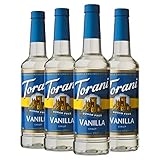
- Sugar Free Vanilla Syrup: This sugar free flavored syrup delivers rich, pure vanilla taste with zero sugar and zero calories; Add a splash to coffee, lattes, tea, sodas and more
- Skip The Extra Calories: Enjoy drinks, desserts, and other treats made with our Sugar Free syrups, sweetened with sucralose and naturally fat free; 0 Calories, 0 Sugar, 0 Carbs, Keto Friendly, Gluten Free, and Kosher
- Embrace Your Inner Flavorista: Torani makes a wide array of syrups and sauces in tantalizing flavors to help you create your own homemade coffeehouse favorites, fruity delights and custom soda creations
- Authentic Coffeehouse Flavor: From caramel to French vanilla to hazelnut and everything in between, our syrups and sauces are here to help you create tantalizing lattes, cappuccinos, cold brews and frappes
- Mix Up Some Magic: Discover how our syrups can help you make truly creative flavored teas, lemonades, smoothies, Italian sodas, coffees, cocktails, mocktails, snow cones, sparkling waters and more
Who this is for
- Anyone following a ketogenic diet looking for tasty coffee options.
- People who want to enjoy their morning cup without breaking their low-carb rules.
- Those who are new to keto and wondering how to adapt their coffee routine.
What to check first
Brewer type and filter type
Your coffee maker matters. Drip machines are common, but French presses or pour-overs can offer more control. For filters, paper filters are great for catching oils and fines, leading to a cleaner cup. Metal filters let more oils through, which can add body and flavor, but might mean a bit more sediment.
Water quality and temperature
Tap water can sometimes have off-flavors. If yours tastes funky, try filtered water. For brewing, water temperature is key. Too cool, and you won’t extract enough flavor. Too hot, and you can scorch the grounds, making it bitter. Aim for around 195-205°F (90-96°C).
Grind size and coffee freshness
Freshly ground beans make a huge difference. Pre-ground coffee loses its aroma and flavor fast. Grind size depends on your brewer. Coarse for French press, medium for drip, fine for espresso. Stale coffee just tastes flat, no matter what you add.
Coffee-to-water ratio
This is your strength control. A common starting point is about 1:15 to 1:18 (coffee to water by weight). So, for 15 oz of water, use about 1 oz of coffee. Too little coffee, and it’s weak. Too much, and it can be too intense or bitter.
Cleanliness/descale status
Gunk builds up. Old coffee oils and mineral deposits from water can ruin your brew. Regularly clean your brewer and descale it if you have hard water. A clean machine means a clean taste.
Step-by-step (brew workflow)
1. Gather your keto-friendly ingredients. This means your coffee beans, filtered water, and any approved additions like MCT oil or heavy cream.
- What “good” looks like: Everything is ready to go, no last-minute searching.
- Common mistake: Forgetting to grab your MCT oil or realizing you’re out of heavy cream. Keep your keto coffee staples stocked.
2. Measure your whole coffee beans. Use a scale for accuracy. A good starting point is around 20-25 grams for a 10-12 oz mug.
- What “good” looks like: Precise measurement for consistent results.
- Common mistake: Guessing the amount. This leads to weak or overly strong coffee.
3. Grind your beans. Grind them just before brewing for maximum freshness. The grind size should match your brewing method.
- What “good” looks like: Freshly ground coffee with a pleasant aroma.
- Common mistake: Using pre-ground coffee. It’s lost too much flavor and oils.
4. Heat your filtered water. Aim for 195-205°F (90-96°C). Don’t use boiling water; let it cool for about 30-60 seconds after it boils.
- What “good” looks like: Water at the correct temperature, not scorching hot.
- Common mistake: Pouring boiling water directly onto the grounds. This can burn the coffee and make it bitter.
5. Prepare your brewer. If using a paper filter, rinse it with hot water to remove any papery taste and preheat the brewer. Discard the rinse water.
- What “good” looks like: A clean, preheated brewer ready for coffee.
- Common mistake: Skipping the filter rinse. This can impart a papery, unpleasant flavor.
6. Add the ground coffee to the brewer. Distribute it evenly.
- What “good” looks like: A bed of coffee grounds ready for the water.
- Common mistake: Tamping down the grounds too much, which can restrict water flow.
7. Start the bloom. Pour just enough hot water over the grounds to saturate them evenly. Wait about 30 seconds. You’ll see the coffee “bloom” as CO2 escapes.
- What “good” looks like: Coffee grounds puffing up and releasing gas.
- Common mistake: Pouring too much water at once, or skipping the bloom. This doesn’t allow for even extraction.
8. Continue pouring the water. Pour slowly and steadily, using a circular motion to ensure all grounds are extracted evenly.
- What “good” looks like: A consistent, controlled pour that saturates all the coffee.
- Common mistake: Pouring too fast or unevenly. This leads to under- or over-extraction in different parts of the grounds.
9. Let it brew. Allow the coffee to drip through or steep for the recommended time for your brewing method (e.g., 4 minutes for French press).
- What “good” looks like: The coffee finishes brewing without any unusual sounds or smells.
- Common mistake: Rushing the brew time. This results in a weak, underdeveloped flavor.
10. Remove the grounds. If using a French press, press the plunger down slowly. If using a pour-over or drip, remove the filter basket.
- What “good” looks like: All brewed coffee separated from the grounds.
- Common mistake: Leaving the coffee to sit on the grounds after brewing. This can lead to over-extraction and bitterness.
11. Add keto-friendly flavorings (optional). Stir in MCT oil, grass-fed butter, or a splash of heavy cream. Add spices like cinnamon or nutmeg.
- What “good” looks like: Smoothly incorporated additions that enhance, not mask, the coffee flavor.
- Common mistake: Adding too much fat, making it greasy, or using sweeteners that aren’t keto-approved.
12. Enjoy your keto coffee. Sip and savor the rich, satisfying brew.
- What “good” looks like: A delicious, energizing cup that fits your diet.
- Common mistake: Not taking a moment to appreciate the hard work that went into making a good cup.
Common mistakes (and what happens if you ignore them)
| Mistake | What it causes | Fix |
|---|---|---|
| Using stale coffee beans | Flat, dull flavor; lack of aroma | Buy whole beans and grind them just before brewing. Store beans in an airtight container away from light. |
| Incorrect water temperature | Bitter or weak coffee | Use a thermometer or let boiled water sit for 30-60 seconds before brewing. |
| Wrong grind size for brewer | Under-extraction (sour) or over-extraction (bitter) | Match grind size to your brewing method: coarse for French press, medium for drip, fine for espresso. |
| Using tap water with off-flavors | Unpleasant taste in the final brew | Use filtered or bottled water for a cleaner coffee flavor. |
| Not cleaning the coffee maker | Burnt, stale, or oily taste | Clean your brewer regularly, including descaling if you have hard water. |
| Too much or too little coffee | Weak, watery, or overly strong/bitter coffee | Use a scale to measure coffee-to-water ratio, starting around 1:15 to 1:18. |
| Skipping the coffee bloom | Uneven extraction, sourness, and bitterness | Always pour a small amount of water first to saturate grounds and let them degas for 30 seconds. |
| Rushing the brew time | Weak, thin, and underdeveloped flavor | Follow recommended brew times for your specific method. Patience yields better results. |
| Adding non-keto sweeteners/milks | Breaking ketosis, unwanted carbs | Stick to approved fats (MCT oil, butter, cream) and natural flavorings (spices). |
| Not storing coffee properly | Loss of flavor and aroma | Store whole beans in an opaque, airtight container at room temperature. Avoid the fridge/freezer. |
Decision rules (simple if/then)
- If your coffee tastes sour, then increase your grind size slightly or brew for a bit longer because sourness often indicates under-extraction.
- If your coffee tastes bitter, then decrease your grind size slightly or brew for a bit less time because bitterness often indicates over-extraction.
- If your coffee tastes weak, then use more coffee grounds or slightly finer grounds because you might not be extracting enough flavor.
- If your coffee tastes too strong, then use fewer coffee grounds or slightly coarser grounds because you might be extracting too much.
- If your water has a metallic or chemical taste, then switch to filtered or bottled water because the tap water is impacting the flavor.
- If your coffee has a stale flavor, then ensure you are using freshly roasted beans and grinding them just before brewing because stale beans lose their vibrancy.
- If you notice sediment in your cup from a French press, then ensure you are using a coarse grind and pressing the plunger slowly and steadily because fine particles can escape.
- If your pour-over is draining too fast, then your grind might be too coarse or you’re pouring too aggressively because this leads to under-extraction.
- If your pour-over is draining too slowly, then your grind might be too fine or the coffee bed is compacted because this leads to over-extraction.
- If you want a smoother, less acidic coffee, then try a cold brew method because the lower temperature extraction yields a naturally sweeter and smoother cup.
- If you want to add richness without carbs, then add a small amount of MCT oil or grass-fed butter because these fats are keto-friendly and add a creamy texture.
FAQ
What are the best coffee beans for keto?
Any high-quality, whole bean coffee will work. Look for beans with flavor profiles you enjoy, whether that’s nutty, chocolatey, or fruity. The key is freshness and a good roast.
Can I add heavy cream to my keto coffee?
Absolutely. Heavy cream is low in carbs and high in fat, making it a perfect addition to keto coffee for richness and creaminess. Just a splash is usually enough.
What is MCT oil and why is it in keto coffee?
MCT (medium-chain triglyceride) oil is a type of fat that’s easily digested and can be used for energy, which aligns well with keto principles. It adds a smooth texture and can provide a quick energy boost.
Are sugar substitutes like stevia or erythritol okay for keto coffee?
Yes, zero-carb sweeteners like stevia, erythritol, monk fruit, or xylitol (be careful if you have pets, as it’s toxic to dogs) are generally fine for keto coffee. Use them in moderation.
How much MCT oil should I add to my coffee?
Start small, maybe 1 teaspoon, and gradually increase to 1-2 tablespoons per cup. Too much too soon can sometimes cause digestive upset.
What about flavored creamers? Are they keto-friendly?
Most commercial flavored creamers are loaded with sugar and carbs, so they are not keto-friendly. It’s best to stick to plain heavy cream or unsweetened almond/coconut milk if you need a dairy alternative.
Can I use spices in my keto coffee?
Definitely! Spices like cinnamon, nutmeg, cardamom, or even a pinch of cocoa powder (unsweetened) can add great flavor to your coffee without adding carbs.
What’s the difference between bulletproof coffee and regular keto coffee?
Bulletproof coffee is a specific recipe that typically includes coffee, MCT oil, and grass-fed butter, blended until frothy. Keto coffee is a broader term for any coffee that fits within a ketogenic diet, which can include bulletproof coffee or just black coffee with cream.
What this page does NOT cover (and where to go next)
- Specific brand recommendations for coffee beans or brewers.
- Detailed nutritional breakdowns of various keto coffee additions.
- Advanced brewing techniques like siphon or Aeropress methods.
To learn more, consider exploring resources on coffee sourcing, different brewing equipment reviews, or deeper dives into the science of keto and its impact on energy levels.