
Fixing Sour Coffee: Simple Adjustments For Better Taste
Quick answer
- Dial in your grind: go finer.
- Use hotter water, around 200°F.
- Increase your coffee-to-water ratio slightly.
- Check your coffee freshness; use beans roasted within the last month.
- Ensure your brewer is clean.
- Experiment with bloom time; a longer bloom can help.
Who this is for
- Anyone who brews coffee at home and finds their cup consistently tart or acidic.
- Coffee lovers looking to elevate their morning ritual from “okay” to “awesome.”
- Those who have tried adjusting a few things but still can’t shake that sour taste.
What to check first
Brewer type and filter type
Different brewers need different approaches. A pour-over will react differently to adjustments than an automatic drip machine. Paper filters can sometimes mute flavors, while metal filters might let more through.
Example: If you’re using a paper filter with a pour-over, try a slightly finer grind than you normally would.
Water quality and temperature
Your water is 98% of your coffee, so it matters. Hard water can lead to under-extraction, which causes sourness. Too-cool water is a major culprit for sour coffee. Aim for water between 195°F and 205°F.
Tip: A simple kettle with a thermometer is a game-changer here.
Grind size and coffee freshness
This is often the biggest lever you can pull. Too coarse a grind means water passes through too quickly, leading to under-extraction and sourness. Stale beans also lack the complexity to balance acidity.
Rule of thumb: For most methods, a grind size resembling table salt is a good starting point. Fresher is almost always better.
Stale beans also lack the complexity to balance acidity. For the freshest taste, consider using high-quality, freshly roasted coffee beans.
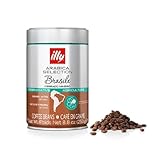
- Explore the individual taste and distinct aroma of each single origin Arabica coffee, found in the legendary illy blend, each highlighting the singular style, culture and flavor of these distinctive geographic region
- Carefully selected and meticulously roasted, illy coffee beans invoke a sensual beauty and poetry in the passionate coffee lover.
- Our unique pressurized coffee packaging preserves the flavor and complexity of the illy blend while enhancing the coffee’s aroma and ensuring optimal freshness.
- Each pressurized can contains 8.8oz of Whole Bean MonoArabica Brazil Single Origin Coffee.
- If you are not completely satisfied with your illy purchase, we will refund your order. No questions asked.
Coffee-to-water ratio
Using too little coffee for the amount of water can also result in a weak, sour brew. You need enough coffee grounds to “absorb” the water’s extraction potential.
Start point: A common ratio is 1:15 to 1:17 (coffee to water by weight).
Cleanliness/descale status
Old coffee oils build up and go rancid. A dirty brewer can impart off-flavors, sometimes contributing to a perceived sourness. Regular descaling is also key, especially if you have hard water.
Action: Give your brewer a good scrub. If it’s an automatic machine, run a descaling cycle.
Step-by-step (brew workflow)
1. Heat your water.
- What to do: Bring fresh, filtered water to a temperature between 195°F and 205°F.
- What “good” looks like: A thermometer reading in the target range. If you don’t have one, let boiling water sit for about 30 seconds to a minute.
- Common mistake: Using water that’s too cool. This will under-extract your coffee, making it sour. Avoid guessing; use a thermometer.
2. Grind your coffee.
- What to do: Grind your beans just before brewing to a size appropriate for your brewer. For sour coffee, aim for a slightly finer grind than you’re currently using.
- What “good” looks like: The grounds should feel consistent. For pour-over, think fine sand; for drip, a bit coarser.
- Common mistake: Grinding too coarse. Water rushes through, taking out only the sour notes. Go finer, even if it looks a little too fine at first.
3. Prepare your filter (if applicable).
- What to do: Rinse paper filters with hot water to remove papery taste and preheat your brewer. Discard the rinse water.
- What “good” looks like: The filter is clean and the brewer is warm.
- Common mistake: Not rinsing the filter. This can leave a papery, bitter taste that masks other flavors.
4. Add coffee grounds.
- What to do: Weigh your coffee grounds using your chosen ratio. For example, for a 1:16 ratio and 10 oz of water, use about 0.625 oz (around 18 grams) of coffee.
- What “good” looks like: The grounds are evenly distributed in the filter or basket.
- Common mistake: Eyeballing the amount. Inconsistent dosing leads to inconsistent results. Use a scale.
5. Bloom the coffee.
- What to do: Pour just enough hot water (about twice the weight of the coffee) to saturate all the grounds. Let it sit for 30-45 seconds.
- What “good” looks like: The coffee grounds puff up and release CO2 (this is the bloom).
- Common mistake: Skipping the bloom or pouring too much water. A proper bloom allows for even saturation and degasses the coffee, leading to better extraction.
6. Continue pouring.
- What to do: Slowly pour the remaining hot water over the grounds in a controlled manner, ensuring all grounds are evenly saturated.
- What “good” looks like: A steady stream of water, avoiding pouring directly down the sides of the filter. The brew bed should remain relatively flat.
- Common mistake: Pouring too fast or in a chaotic pattern. This can create channels, leading to uneven extraction and sourness.
7. Allow to finish brewing.
- What to do: Let all the water drip through the coffee bed.
- What “good” looks like: The brewing process completes within the expected timeframe for your method (e.g., 2-4 minutes for pour-over).
- Common mistake: Stopping the brew too early. This means less coffee has been extracted, likely leaving you with sour notes.
8. Serve and taste.
- What to do: Pour your coffee into a pre-warmed mug and taste it.
- What “good” looks like: A balanced, flavorful cup with sweetness and pleasant acidity, not sharp tartness.
- Common mistake: Drinking it too quickly without really tasting. Take a moment to assess the flavor profile.
Common mistakes (and what happens if you ignore them)
| Mistake | What it causes | Fix |
|---|---|---|
| Water too cool (<195°F) | Under-extraction, sour, weak flavor | Use hotter water (195-205°F); check with a thermometer. |
| Grind too coarse | Water passes too fast, under-extraction | Grind finer; adjust your grinder setting. |
| Stale coffee beans | Lack of complexity, muted flavors, sourness | Use beans roasted within the last month; store properly. |
| Insufficient coffee grounds | Under-extraction, watery and sour | Increase coffee dose or decrease water amount (adjust ratio). |
| Dirty brewer/clogged filter | Off-flavors, rancid taste, poor extraction | Clean your brewer regularly; descale if needed. |
| Uneven saturation/channeling | Inconsistent extraction, sour spots | Pour water slowly and evenly; ensure all grounds are wet. |
| Not enough contact time | Under-extraction, sourness | Ensure brew time is adequate for your method; adjust grind if too fast. |
| Using tap water with high TDS | Poor extraction, mineral interference | Use filtered or spring water; check your water’s mineral content. |
| Brewing with acidic water | Exacerbates sourness, unbalanced taste | Use neutral or slightly alkaline water; filter if necessary. |
| Not preheating brewer/mug | Rapid cooling of coffee, muted flavors | Rinse brewer and mug with hot water before brewing and serving. |
Decision rules (simple if/then)
- If your coffee tastes sour and weak, then try grinding finer because a coarser grind leads to under-extraction.
- If your coffee tastes sour and thin, then increase your coffee-to-water ratio because you might not be using enough coffee.
- If your coffee tastes sour and lacks sweetness, then increase your water temperature to at least 195°F because cooler water under-extracts.
- If your coffee tastes sour and has a papery aftertaste, then rinse your paper filter thoroughly with hot water because leftover paper can affect flavor.
- If your coffee tastes sour even after grinding finer, then check your coffee bean freshness because stale beans lose their balanced flavors.
- If your coffee tastes sour and bitter at the same time, then your grind might be too fine and your water too hot; try a slightly coarser grind or slightly cooler water.
- If your coffee tastes sour and metallic, then check your water quality; consider using filtered water because minerals can interfere with extraction.
- If your coffee tastes sour and is brewed too quickly, then adjust your grind to be finer because a faster brew time indicates water is passing through too easily.
- If your coffee tastes sour and you’re using a French press, then ensure you’re pressing the plunger slowly and not over-extracting by letting it sit too long after plunging.
- If your coffee tastes sour and you’re using an automatic drip machine, then ensure the water is reaching the correct temperature before hitting the grounds because some machines don’t heat water sufficiently.
- If your coffee tastes sour and you’ve tried everything else, then consider cleaning your grinder because old coffee oils can build up and impart off-flavors.
FAQ
Why is my coffee sour instead of bitter?
Sourness indicates under-extraction. This happens when the water doesn’t have enough contact time or isn’t hot enough to pull out the desirable soluble compounds from the coffee grounds. Bitter flavors, on the other hand, usually come from over-extraction.
Can stale coffee taste sour?
Yes, stale coffee can lose its complex sugars and oils that balance acidity, making the inherent sour notes more prominent. It also loses its sweetness, making the sourness stand out more.
How does water temperature affect sourness?
Water that’s too cool won’t efficiently dissolve the coffee compounds needed for a balanced flavor. It primarily extracts the sour acids early on, leaving the sweeter compounds behind. Aiming for 195-205°F is crucial.
Is a finer grind always the answer for sour coffee?
Usually, yes. A finer grind increases the surface area and slows down water flow, allowing for better extraction. However, grinding too fine can lead to over-extraction and bitterness, so it’s a balance.
What’s the difference between sour and acidic coffee?
In coffee, “acidic” often refers to a desirable bright, fruity quality, like the tang of citrus. “Sour” is usually an unpleasant, sharp tartness that signals a brewing problem, typically under-extraction.
How much coffee should I use for a less sour cup?
A good starting point is a coffee-to-water ratio of 1:15 to 1:17 by weight. If your coffee is sour, try increasing the coffee dose slightly (e.g., to 1:14) to ensure enough coffee is present to balance the extraction.
Does the type of filter matter for sour coffee?
Yes, to some extent. Paper filters absorb more oils, which can sometimes mute flavors. Metal filters let more oils through, potentially leading to a fuller body but also potentially highlighting sourness if extraction is off.
How long should I bloom my coffee?
A bloom of 30-45 seconds is usually sufficient. This allows trapped CO2 to escape, preventing it from interfering with water saturation and extraction during the main pour.
What this page does NOT cover (and where to go next)
- Specific grind settings for every single brewer type. (Next: Consult your brewer’s manual or online guides for your specific model.)
- Detailed water chemistry analysis and treatment. (Next: Research water filtration systems or bottled water options designed for coffee.)
- Advanced brewing techniques like specific pour patterns or immersion times. (Next: Explore specialty coffee brewing resources or forums.)
- The impact of different roast levels on perceived acidity. (Next: Read up on coffee roasting profiles and how they affect flavor.)
- Troubleshooting bitterness (the opposite of sourness). (Next: Look for guides specifically on fixing bitter coffee.)