
Iced Coffee Using a Regular Coffee Maker
Quick answer
- Brew coffee double-strength.
- Use cold water in the reservoir.
- Chill the brewed coffee quickly.
- Use quality beans and grind fresh.
- Don’t over-extract.
- Add ice after brewing.
Who this is for
- Anyone who loves iced coffee but wants to use their everyday coffee maker.
- Home brewers looking for a simple, cost-effective way to make a refreshing drink.
- Folks who want to ditch the expensive coffee shop trips for a homemade treat.
What to check first
Brewer type and filter type
Your standard drip machine works fine. Paper filters are common, but some folks prefer reusable metal ones. Just make sure it’s clean.
Water quality and temperature
Tap water can add weird flavors. If yours tastes off, use filtered water. For iced coffee, you’ll actually use cold water in the reservoir, but more on that later.
Grind size and coffee freshness
Medium grind is usually best for drip. Freshly ground beans make a huge difference. Pre-ground stuff goes stale fast.
Coffee-to-water ratio
This is key for iced coffee. You need more coffee grounds than usual to compensate for the ice melting. Think double strength.
Cleanliness/descale status
Old coffee oils and mineral buildup can ruin your brew. Run a descaling cycle if it’s been a while. A clean machine makes happy coffee.
Step-by-step (brew workflow)
1. Gather your gear. You’ll need your coffee maker, fresh coffee beans, a grinder, filtered water, and ice. A carafe is obvious, but a heat-safe pitcher for chilling is a good idea too.
- What “good” looks like: Everything is ready to go. No last-minute scrambling.
- Common mistake: Forgetting to chill the carafe or pitcher beforehand.
- Avoid it: Pop your serving carafe or a separate pitcher in the freezer for 10-15 minutes while you prep.
2. Measure your coffee. Use about twice the normal amount of coffee grounds. For a standard 12-cup maker, try 10-12 tablespoons instead of 5-6.
- What “good” looks like: A generous pile of grounds. This is the secret to strong, flavorful iced coffee.
- Common mistake: Using a normal amount of coffee. This leads to weak, watery iced coffee.
- Avoid it: Seriously, double it up. You can always adjust later if it’s too strong, but it’s harder to fix weak coffee.
3. Grind your beans. Grind them to a medium consistency, like coarse sand. Grind right before you brew for maximum flavor.
- What “good” looks like: A fragrant pile of freshly ground coffee.
- Common mistake: Using pre-ground coffee that’s been sitting around.
- Avoid it: Invest in a decent burr grinder. It’s a game-changer for any coffee brewing.
4. Add grounds to filter. Place your filter in the basket and add the measured grounds. Give it a gentle shake to level them out.
- What “good” looks like: Evenly distributed grounds.
- Common mistake: Packing the grounds too tightly.
- Avoid it: Just let them settle naturally. Don’t press them down.
5. Add COLD water to reservoir. This is the big switch-up for iced coffee. Use cold, filtered water. Use slightly less water than you normally would to account for the ice melting. If you normally use 4 cups of water for a 4-cup brew, try 3 cups.
- What “good” looks like: Cold water filling the reservoir.
- Common mistake: Using hot water. This will brew hot coffee, which you then have to cool down, diluting it.
- Avoid it: Double-check the water temperature before you hit start.
6. Place the carafe/pitcher. Put your chilled carafe or pitcher under the brew basket.
- What “good” looks like: The carafe is properly seated and ready to catch the coffee.
- Common mistake: Forgetting to put the carafe in place.
- Avoid it: A quick glance before pressing the button.
7. Start brewing. Hit the brew button. Let the machine do its thing.
- What “good” looks like: Coffee is dripping into your chilled vessel.
- Common mistake: Opening the machine mid-brew.
- Avoid it: Resist the urge. Let the cycle complete.
8. Brew cycle completion. Once the brewing stops, you’re almost there.
- What “good” looks like: The machine is silent, and your carafe is full of strong, hot coffee.
- Common mistake: Leaving the brewed coffee on the warming plate.
- Avoid it: Remove the carafe immediately. A warming plate can make coffee taste burnt and bitter.
9. Chill quickly. This is crucial. You want to cool the coffee down fast to lock in flavor and prevent bitterness.
- What “good” looks like: The coffee is rapidly cooling.
- Common mistake: Letting the hot coffee sit at room temperature for too long.
- Avoid it: If you didn’t chill a separate pitcher, pour the hot coffee into a clean, cold one.
10. Add ice. Once the coffee is cool or cold, fill a serving glass with ice. Pour the coffee over the ice.
- What “good” looks like: Your glass is full of refreshing iced coffee.
- Common mistake: Adding ice to hot coffee.
- Avoid it: Wait until the coffee has cooled significantly.
11. Customize and enjoy. Add milk, cream, sweetener, or enjoy it black.
- What “good” looks like: Your perfect cup of iced coffee.
- Common mistake: Overdoing the additions, masking the coffee flavor.
- Avoid it: Start with a little, then add more if needed.
Common mistakes (and what happens if you ignore them)
| Mistake | What it causes | Fix |
|---|---|---|
| Using a normal coffee-to-water ratio | Weak, watery, disappointing iced coffee | Double your coffee grounds. |
| Using hot water in the reservoir | Brews hot coffee, leading to dilution when chilled | Use cold, filtered water. |
| Not chilling the brew vessel quickly | Stale, bitter, oxidized coffee flavor | Pour into a chilled pitcher or use a pre-chilled carafe. |
| Using stale or pre-ground coffee | Flat, dull, uninspired taste | Grind fresh beans right before brewing. |
| Over-extracting (e.g., slow drip) | Bitter, harsh coffee | Ensure correct grind size and a clean machine. |
| Leaving brewed coffee on a warming plate | Burnt, bitter, metallic taste | Remove the carafe immediately after brewing. |
| Adding ice to hot coffee | Diluted, weak, lukewarm drink | Let the coffee cool down first, then pour over ice. |
| Using poor quality water | Off-flavors that ruin the coffee | Use filtered water. |
| Not cleaning the coffee maker regularly | Lingering stale oils, mineral buildup, bad taste | Run a descaling cycle and clean parts regularly. |
| Not adjusting water volume for ice melt | Potentially weaker coffee if ice melts too much | Slightly reduce the water added to the reservoir. |
| Grinding too fine for drip | Over-extraction, bitter coffee | Aim for a medium grind size. |
| Grinding too coarse for drip | Under-extraction, sour coffee | Aim for a medium grind size. |
Decision rules (simple if/then)
- If your iced coffee tastes weak, then add more coffee grounds next time because the ratio is off.
- If your iced coffee tastes bitter, then check your grind size (too fine) or machine cleanliness because over-extraction or old oils cause bitterness.
- If your iced coffee tastes sour, then try a finer grind or ensure your water isn’t too cold because under-extraction leads to sourness.
- If you want to save time, then pre-chill your carafe or a separate pitcher while you prep the coffee because faster cooling equals better flavor.
- If your tap water doesn’t taste great, then use filtered water because water quality significantly impacts coffee flavor.
- If your coffee maker is older and hasn’t been descaled, then run a descaling cycle because mineral buildup affects taste and brewing performance.
- If you’re brewing a large batch, then consider brewing a bit stronger than you normally would for a single cup because you’ll be adding a lot of ice.
- If you prefer a smoother taste, then use a paper filter because they tend to remove more oils than metal filters.
- If you want a bolder flavor profile, then ensure you’re using freshly roasted beans because older beans lose their aromatic compounds.
- If you’re in a hurry and can’t wait for it to cool, then brew directly over ice (Japanese-style method) but be aware this requires a different ratio and technique, often involving a coarser grind.
- If you want to avoid dilution, then use coffee ice cubes made from leftover brewed coffee because they add flavor without watering down your drink.
If you want to avoid dilution, then use coffee ice cubes made from leftover brewed coffee because they add flavor without watering down your drink. You can easily make these with some handy ice cube trays.
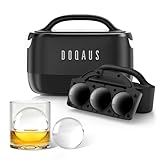
- ✅ Achieve Bar-Quality Clarity with Directional Freezing: Stop settling for cloudy, bubble-filled ice. Our clear ice cube maker utilizes advanced physics to push impurities away, creating 3 crystal-clear spheres and 4 cubes per cycle. It is the secret weapon for the home mixologist wanting presentation-ready drinks without expensive machinery.
- ✅ Preserve Complex Flavors with Slow Dilution: Designed for the purist, this whiskey ice cubes mold produces dense, 2.5-inch ice that melts 40% slower than standard ice. Enjoy your single malt or bourbon chilled but undiluted, ensuring the aromatic profile remains distinct from the first sip to the last.
- ✅ Effortless Release with Premium Hybrid Design: Unlike rigid plastic trays that crack, our flexible silicone ice ball maker mold ensures smooth removal. The non-stick material lets you pop out perfect shapes instantly, making drink preparation seamless for relaxing solo evenings or busy gatherings.
- ✅ Versatile 2-in-1 Capacity for Entertaining: Hosting a cocktail night? This round ice cube mold creates 7 pieces simultaneously, catering to different glass styles. Whether serving an Old Fashioned (sphere) or a Negroni (cube), you will have the right ice shape ready for every guest's preference.
- ✅ The Sophisticated Choice for Gifting: More than just a standard ice mold, this clear ice system is an essential upgrade for any wet bar. Packaged to impress, it creates a tangible experience, making it an ideal gift for fathers, partners, or enthusiasts who value the ritual of a perfectly poured drink.
FAQ
Can I just brew hot coffee and put it in the fridge?
You can, but it’s not ideal. Letting hot coffee sit at room temperature before refrigerating can lead to oxidation and a stale taste. Chilling it quickly is much better for flavor.
How much coffee should I use for iced coffee?
A good starting point is to double your usual amount. For example, if you normally use 4 tablespoons for 4 cups of water, try 8 tablespoons for 4 cups of water.
What kind of coffee beans are best for iced coffee?
Medium to dark roasts often work well because their bolder flavors hold up against ice and dilution. However, experiment with what you like! Freshness is more important than roast level.
Does the water temperature really matter if I’m adding ice?
Yes! Using cold water in the reservoir helps the coffee brew at a slightly lower temperature and reduces the risk of over-extraction, which can make iced coffee bitter.
What if my iced coffee still tastes weak?
You probably need to increase your coffee-to-water ratio. Try using even more grounds next time, or slightly less water in the reservoir.
Can I use my French press or pour-over for iced coffee?
Absolutely. These methods offer more control and can make excellent iced coffee, often by brewing a concentrated hot coffee and then chilling it rapidly. The principles of double strength and quick chilling still apply.
My iced coffee is too bitter. What did I do wrong?
Bitterness often comes from over-extraction. This could be due to a grind that’s too fine for your brewer, water that’s too hot, or brewing for too long. For iced coffee, using cold water and a medium grind is usually best.
How can I avoid diluting my iced coffee too much?
The best way is to brew your coffee double-strength in the first place. Another trick is to make coffee ice cubes from leftover coffee and use those in your drink.
What this page does NOT cover (and where to go next)
- Specific coffee maker models and their unique features. (Check your brewer’s manual.)
- Advanced brewing techniques like cold brew or Japanese-style flash chilling. (Look for guides on “cold brew coffee” or “flash chilled coffee.”)
- Detailed comparisons of different coffee bean origins or roast profiles for iced coffee. (Explore coffee blogs or roaster websites.)
- Specific brand recommendations for grinders or coffee makers. (Read reviews from reputable coffee publications.)