
How Water Moves In Your Drip Coffee Brewer
Quick answer
- Drip coffee brewers use a heating element to boil water.
- This boiling water creates steam, which builds pressure.
- The pressure pushes the hot water up a tube.
- Gravity then pulls the hot water through the coffee grounds.
- This process extracts the flavor for your morning cup.
- It’s a simple, effective system.
Key terms and definitions
- Heating Element: The part of the brewer that gets hot to boil water. Think of it like a mini stovetop coil.
- Boiling: When water gets hot enough (212°F or 100°C at sea level) to turn into steam.
- Steam: Water in its gas form. It takes up way more space than liquid water.
- Pressure: The force exerted by the steam as it expands. This is the engine of the process.
- Ascent Tube: The pipe that carries the hot water from the heating element up to the showerhead.
- Showerhead: The part that disperses the hot water evenly over the coffee grounds.
- Gravity: The force that pulls everything down. It helps the brewed coffee drip into your carafe.
- Extraction: The process where hot water dissolves the soluble compounds from coffee grounds. This is where the flavor comes from.
- Thermoblock: Some brewers use this instead of a traditional heating element. It heats water as it flows through.
- Percolation: A different brewing method, not typically found in standard drip machines, where water repeatedly cycles through grounds.
How it works
- It all starts with cold water in the reservoir.
- You flip the switch, and the heating element kicks in.
- This element heats a small amount of water at the bottom.
- As the water boils, it turns into steam.
- The steam builds up pressure in a sealed chamber.
- This pressure forces the hot water up the ascent tube.
- The hot water then travels to the showerhead.
- The showerhead aims to spread the water evenly across the coffee grounds.
- Gravity then does its job, pulling the brewed coffee into the pot.
- It’s a pretty neat bit of engineering, really.
What affects the result
- Water Quality: Tap water can have minerals that affect taste. Filtered water is usually best.
- Water Temperature: Too cool, and you get weak coffee. Too hot, and you can scorch the grounds. Most good brewers aim for 195-205°F (90-96°C).
- Grind Size: Too fine, and water struggles to pass through, leading to bitterness. Too coarse, and water rushes through, resulting in weak coffee.
- Coffee-to-Water Ratio: This is crucial. Too much coffee makes it strong, too little makes it weak. A good starting point is 1:15 to 1:18 (grams of coffee to grams of water).
- Freshness of Coffee: Old beans lose their aroma and flavor. Grind your beans right before brewing for the best results.
- Brewer Design: How the water is dispersed over the grounds matters. A good showerhead ensures even saturation.
- Cleanliness of Brewer: Old coffee oils can build up and make your coffee taste stale. Regular cleaning is a must.
- Bloom Phase: Allowing the grounds to degas for about 30 seconds after initial wetting can improve extraction.
- Brew Time: How long the water is in contact with the grounds. This is influenced by grind size and brewer design.
- Altitude: Water boils at a lower temperature at higher altitudes. This can affect brewing temperature if not compensated for.
- Water Hardness: Very hard water can lead to scale buildup in the brewer, affecting performance.
Pros, cons, and when it matters
- Pro: Simplicity: Drip coffee makers are super easy to use. Just add water and grounds, hit a button.
- Con: Less Control: You have less control over variables like temperature and flow rate compared to manual methods.
- Pro: Convenience: Great for making multiple cups at once. Perfect for busy mornings or when you have guests.
- Con: Potential for Stale Coffee: If left on the warming plate too long, coffee can develop a burnt taste.
- Pro: Affordability: Many excellent drip coffee makers are available at reasonable prices.
- Con: Taste Limitations: While good, they might not achieve the nuanced flavors some high-end brewing methods can.
- When it matters: If you need a quick, reliable pot of coffee without fuss, drip is your go-to.
- When it matters: For daily use and when you’re not chasing every last subtle flavor note.
- When it matters: If you’re brewing for a crowd or need consistent results with minimal effort.
- When it matters: For those who value ease of use and a familiar brewing experience.
- When it matters: If you’re just starting out in the coffee world, it’s a solid foundation.
For a reliable and straightforward way to start your day, a good drip coffee maker is hard to beat. They offer convenience and are perfect for making multiple cups at once.
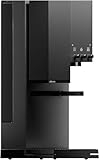
- 1. Three Levels of Automation for Any Skill Level: Choose from Autopilot, Copilot, or Free Solo mode. Autopilot handles the entire brewing process automatically. Copilot provides step-by-step guidance. Free Solo gives you full manual control. This coffee machine works for beginners and professional baristas alike.
- 2. Intuitive User Interface with Tactile Knobs and LED Matrix: The Studio features physical control knobs and a clear LED Matrix display. You can adjust grind size, water temperature, and flow rate in real time without navigating complicated touchscreen menus.
- 3. Full Customization via the xBloom App: Use the xBloom app to create, adjust, save, and share your favorite coffee recipes. Every brewing parameter can be fine-tuned and synced to the machine instantly. Your perfect cup is saved and repeatable.
- 4. Compostable xPod System for Minimal Waste and Maximum Flavor: Each xPod contains carefully selected whole beans and a built-in filter. Tap the recipe card, pour the beans into the grinder, place the pod into the dock, and press start. No capsules, no extra paper filters, no unnecessary waste.
- 5. What Is Included in the Box: The package includes the xBloom Studio, Omni Dripper 2 with Hyperflow Bottom, 10 paper filters, xPod Dock, Magnetic Dosing Cup, default recipe card, quick start guide, cleaning brush, universal power cord, and a 2-Year xbloom brand warranty. Everything you need is included—along with long-term peace of mind.
Common misconceptions
- Myth: All drip coffee makers brew at the same temperature. Nope. Cheaper models often don’t get hot enough for optimal extraction.
- Myth: The faster it brews, the better. Speed isn’t always quality. Rushing the process can lead to under-extraction.
- Myth: You need fancy, expensive beans for good drip coffee. While good beans help, a well-functioning brewer and proper technique make a huge difference.
- Myth: The carafe’s warming plate is good for keeping coffee fresh. It often just cooks your coffee, making it taste bitter. Best to drink it fresh or transfer to a thermal carafe.
- Myth: You can use any grind size. Nope. Grind size is critical for proper water flow and extraction in drip brewers.
- Myth: Water quality doesn’t matter that much. It’s like 98% of your coffee. Bad water equals bad coffee.
- Myth: Once it’s brewed, it’s done. Nope. Coffee continues to evolve. Drink it within an hour or so for best flavor.
- Myth: All coffee makers are the same. Far from it. From basic to SCAA-certified, there’s a wide range in quality and performance.
FAQ
Q: How does the water get from the bottom of the machine to the top?
A: A heating element boils water, creating steam. This steam pressure forces the hot water up a tube to the showerhead. It’s a clever use of physics.
Q: Why does my coffee taste weak or bitter?
A: This could be due to several factors: incorrect coffee-to-water ratio, wrong grind size, water temperature that’s too low or too high, or stale coffee beans.
Q: Is it important to clean my drip coffee maker?
A: Absolutely. Coffee oils build up over time, affecting taste. Descaling also prevents mineral buildup that can clog the machine and impact performance.
Q: What’s the ideal brewing temperature for drip coffee?
A: The Specialty Coffee Association (SCA) recommends a brewing temperature between 195°F and 205°F (90°C to 96°C). Many home brewers struggle to reach this consistently.
Q: Can I use pre-ground coffee?
A: You can, but for the best flavor, grinding your beans right before brewing is highly recommended. Pre-ground coffee loses its aroma and flavor much faster.
Q: What is the “bloom” phase?
A: It’s when you first wet the coffee grounds. They release CO2 gas, causing them to expand. Letting this happen for about 30 seconds can improve flavor extraction.
Q: How do I know if my brewer is making the water hot enough?
A: Look for brewers that are SCA Certified. These have been tested to meet specific brewing standards, including temperature. Otherwise, it’s hard to tell without a thermometer.
What this page does NOT cover (and where to go next)
- Specific brand comparisons or reviews.
- Detailed troubleshooting for specific machine malfunctions.
- Advanced brewing techniques like pour-over or espresso.
- The chemistry of coffee extraction in extreme detail.
- How to choose the perfect coffee beans for your palate.