
How Too Much Coffee Affects Your Body’s Sensations
Quick answer
- Consuming excessive amounts of coffee can lead to a range of unpleasant physical and psychological sensations.
- These effects are primarily due to caffeine, a stimulant that impacts the central nervous system.
- Common symptoms include jitters, anxiety, rapid heart rate, and digestive upset.
- In some individuals, high caffeine intake can mimic or exacerbate feelings of panic or nervousness.
- Understanding your personal tolerance and moderating intake is key to enjoying coffee without adverse effects.
If you’re looking to manage your caffeine intake more precisely, consider caffeine supplements. They offer a controlled dose, allowing you to better understand your body’s response without the variability of coffee brewing methods.
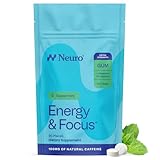
- Fast-Acting Nootropic - Our energy supplements deliver an extra boost of energy and clarity with a blend of natural caffeine, L-theanine, and vitamin b6 & b12. Your go-to chewing gum for work, exercise, and daily focus!
- Clean Energy - Each piece of our sugar free gum delivers 100mg of natural caffeine from green coffee beans for a smooth energy boost without crashes or jitters.
- The Perfect Balance - With 60mg of L-theanine per piece, our energy and focus formula promotes enhanced focus and stress reduction to smooth energy boosts.
- How to Use - Chew one piece of the caffeine gum whenever focus or energy is lacking. Ideal for mornings, pre-workout, or afternoon slumps. Effects typically kick in within minutes thanks to optimal absorption through the mouth.
- Made by Neuro, Backed by Science - At Neuro, we combine neuroscience with clean, science backed ingredients to help you do more, think better, and feel your best every single day.
Key terms and definitions
- Caffeine: A naturally occurring stimulant found in coffee beans, tea leaves, and cocoa beans, known for its ability to increase alertness and reduce fatigue.
- Stimulant: A substance that raises levels of physiological or nervous system activity in the body.
- Central Nervous System (CNS): The part of the nervous system that integrates information received from sensory organs and coordinates the activity of all parts of the body.
- Adenosine: A neurotransmitter that promotes relaxation and sleepiness; caffeine blocks its receptors.
- Adrenaline (Epinephrine): A hormone and neurotransmitter that plays a role in the “fight or flight” response, increasing heart rate and blood pressure.
- Anxiety: A feeling of worry, nervousness, or unease, typically about an imminent event or something with an uncertain outcome.
- Jitters: A state of nervousness or agitation, often accompanied by trembling.
- Palpitations: A noticeably rapid, strong, or irregular heartbeat due to agitation, exertion, or illness.
- Digestive Upset: Discomfort or pain in the stomach or intestines, which can include symptoms like nausea, cramping, or diarrhea.
- Tolerance: The ability of the body to become accustomed to a substance, requiring larger amounts to produce the same effect.
How it works
- Caffeine enters your bloodstream after you drink coffee and travels to your brain.
- In the brain, caffeine blocks adenosine receptors. Adenosine is a chemical that makes you feel tired.
- By blocking adenosine, caffeine increases alertness and reduces feelings of fatigue.
- This blockage also leads to the release of other neurotransmitters, like dopamine and norepinephrine.
- Norepinephrine is a hormone that can increase heart rate and blood pressure.
- The increased activity in the nervous system can lead to heightened sensory perception.
- This heightened state can sometimes be interpreted as feeling anxious or on edge.
- Caffeine also stimulates the release of adrenaline, further amplifying the body’s “fight or flight” response.
- For some, this physiological arousal can manifest as a feeling of unease or even mimic symptoms of a panic attack.
- The digestive system can also be affected, as caffeine can increase stomach acid production and bowel motility.
What affects the result
- Amount of Coffee Consumed: The more coffee you drink, the higher your caffeine intake and the more pronounced the effects are likely to be.
- Individual Caffeine Sensitivity: People metabolize caffeine at different rates due to genetic factors, influencing how long and how strongly they feel its effects.
- Brewing Method: Different brewing methods can extract varying amounts of caffeine from coffee grounds. For example, a longer steep time or hotter water might extract more.
- Type of Coffee Bean: Robusta beans generally contain more caffeine than Arabica beans.
- Roast Level: Lighter roasts tend to retain slightly more caffeine than darker roasts, though the difference is often minor.
- Grind Size: A finer grind, used in espresso, can lead to a more concentrated extraction of caffeine compared to a coarser grind for French press.
- Water Temperature: Water that is too hot can over-extract coffee, potentially leading to bitter flavors and a different caffeine profile.
- Freshness of Coffee: Stale coffee might have a slightly different chemical composition, though the primary impact on caffeine content is minimal.
- Other Caffeine Sources: Consuming other caffeinated beverages or foods (like tea, soda, chocolate, or energy drinks) in addition to coffee can significantly increase your total caffeine intake.
- Medications: Certain medications can interact with caffeine metabolism, making its effects stronger or last longer.
- Hydration Levels: Dehydration can sometimes make the effects of stimulants feel more intense.
- Time of Day: Consuming large amounts of coffee late in the day can disrupt sleep patterns, which can exacerbate feelings of anxiety or unease the next day.
Pros, cons, and when it matters
- Pro: Increased Alertness and Focus: Coffee can significantly improve concentration and reduce feelings of fatigue, making it useful for tasks requiring sustained attention.
- Con: Jitters and Shakiness: Too much caffeine can overstimulate the nervous system, leading to noticeable tremors and a feeling of being on edge.
- Pro: Enhanced Physical Performance: Caffeine is known to boost athletic performance by increasing adrenaline and reducing perceived exertion.
- Con: Anxiety and Nervousness: For sensitive individuals or with excessive intake, coffee can trigger or worsen feelings of anxiety, nervousness, and even panic.
- Pro: Mood Enhancement: Caffeine can stimulate the release of dopamine, potentially leading to a temporary improvement in mood.
- Con: Digestive Issues: Coffee can irritate the stomach lining, leading to heartburn, indigestion, or increased bowel movements for some.
- Pro: Antioxidant Properties: Coffee contains antioxidants that may offer health benefits over time.
- Con: Sleep Disruption: Consuming coffee too close to bedtime can interfere with sleep quality and duration, leading to fatigue and irritability.
- Pro: Social Ritual: For many, drinking coffee is a pleasant social activity or a comforting morning ritual.
- Con: Dependency and Withdrawal: Regular high consumption can lead to physical dependence, with withdrawal symptoms like headaches and fatigue if intake is stopped.
- Pro: Potential for Improved Cognitive Function: Some studies suggest moderate coffee consumption may be linked to a reduced risk of certain neurodegenerative diseases.
- Con: Heart Palpitations: In sensitive individuals or with very high doses, caffeine can cause a noticeable increase in heart rate and irregular heartbeats.
- When it matters: These effects matter significantly for students during exam periods, professionals needing to stay alert for long hours, athletes before a competition, or anyone managing anxiety disorders. Understanding your personal threshold is crucial for maximizing the benefits while minimizing the drawbacks.
Common misconceptions
- Misconception: All coffee has the same amount of caffeine.
- Reality: Caffeine content varies significantly based on bean type, roast, brewing method, and serving size.
- Misconception: Coffee is inherently bad for your heart.
- Reality: For most healthy adults, moderate coffee consumption is not associated with increased risk of heart disease. However, excessive intake can cause temporary heart rate changes.
- Misconception: Decaf coffee has no caffeine.
- Reality: Decaffeinated coffee still contains a small amount of caffeine, typically around 2-5% of a regular cup.
- Misconception: Drinking coffee can sober you up faster.
- Reality: Caffeine can make you feel more alert, but it does not metabolize alcohol from your system any faster.
- Misconception: The darker the roast, the more caffeine.
- Reality: Lighter roasts generally retain slightly more caffeine than darker roasts, as some caffeine is lost during the roasting process.
- Misconception: Coffee is addictive like hard drugs.
- Reality: While caffeine can lead to physical dependence, it is not considered addictive in the same way as illicit substances, and withdrawal symptoms are typically mild and temporary.
- Misconception: You need to drink a lot of coffee to feel its effects.
- Reality: Individual sensitivity varies greatly; even a single cup can cause noticeable effects in some people.
- Misconception: Coffee causes dehydration.
- Reality: While caffeine has a mild diuretic effect, the water in coffee usually offsets this, and moderate consumption does not lead to dehydration.
FAQ
Q: Can too much coffee make me feel like I’m having a panic attack?
A: Yes, for individuals prone to anxiety or with a high sensitivity to caffeine, consuming excessive amounts of coffee can trigger symptoms that closely resemble a panic attack, such as rapid heart rate, shortness of breath, and intense fear.
Q: How much coffee is considered “too much”?
A: “Too much” is highly individual. Generally, the FDA suggests up to 400 milligrams of caffeine per day (about 4 cups of brewed coffee) is safe for most healthy adults. However, some people experience negative effects at much lower doses.
Q: What are the most common physical symptoms of overconsumption?
A: Common symptoms include jitters, shakiness, increased heart rate, digestive upset, headaches, and difficulty sleeping.
Q: Why does coffee make me feel shaky?
A: Caffeine is a stimulant that affects your central nervous system. It can increase adrenaline production, leading to a heightened state of arousal that manifests as shakiness or jitters.
Q: Can coffee affect my digestion?
A: Yes, caffeine can stimulate bowel movements and increase stomach acid production, which may lead to discomfort, heartburn, or diarrhea in some individuals, especially when consumed in large quantities.
Q: If I feel anxious after drinking coffee, should I stop completely?
A: Not necessarily. You might be sensitive to caffeine. Try reducing your intake, switching to lower-caffeine options, or consuming it earlier in the day to see if that helps manage the anxiety.
Q: How long do the effects of too much coffee last?
A: The half-life of caffeine is typically around 5-6 hours, meaning it takes that long for your body to eliminate half of the caffeine consumed. However, effects can linger for longer, especially for those with slower metabolisms.
Q: Are there any benefits to feeling “wired” from coffee?
A: While feeling “wired” can sometimes translate to increased alertness and productivity, it often comes with negative side effects like anxiety and jitters, making it counterproductive for many tasks.
What this page does NOT cover (and where to go next)
- Specific Caffeine Content of Brands/Brewers: This page provides general information; for exact figures, consult product packaging or brewer specifications.
- Medical Advice for Caffeine Intolerance or Anxiety Disorders: If you have persistent concerns about your reaction to coffee, consult a healthcare professional.
- Detailed Nutritional Breakdown of Coffee: Information on vitamins, minerals, and other compounds in coffee is beyond the scope of this article.
- Recipes for Coffee Drinks: This article focuses on the physiological effects of coffee, not its preparation.
- Advanced Brewing Techniques for Optimal Flavor: For tips on achieving the best taste, explore resources dedicated to coffee brewing methods and equipment.