
How to Use a French Press Coffee Maker
Quick answer
- A French press is simple. Grind beans, add hot water, steep, then press.
- It’s great for rich, full-bodied coffee. You control everything.
- Use coarse grounds. Too fine, and you get sludge.
- Water temp matters. Too hot burns it, too cool under-extracts.
- Clean it right away. Old grounds get nasty.
- It’s a classic for a reason. Easy to learn, hard to beat for flavor.
Key terms and definitions
- French Press: A manual coffee brewing device. It uses a plunger to separate grounds from brewed coffee.
- Coarse Grind: Coffee grounds that are large and chunky, like sea salt. Essential for French press.
- Bloom: The initial release of CO2 gas when hot water first hits fresh coffee grounds. It looks bubbly.
- Steep Time: The duration coffee grounds are in contact with hot water before pressing. Usually 4 minutes.
- Plunger: The part of the French press that pushes down the coffee grounds.
- Filter Screen: The mesh part of the plunger assembly. It catches the grounds.
- Full-bodied: A coffee with a rich, heavy mouthfeel. French press excels here.
- Extraction: The process of dissolving soluble compounds from coffee grounds into water.
- Burr Grinder: A grinder that uses two abrasive surfaces to crush beans. Better for consistent grinds than blade grinders.
- Ratio: The proportion of coffee grounds to water. Affects strength.
How it works
- You start with whole coffee beans. Freshness is key.
- Grind those beans to a coarse consistency. Think breadcrumbs or coarse sand.
- Heat your water. Aim for just off the boil, around 200°F.
- Add the grounds to the bottom of the French press carafe.
- Pour a little hot water over the grounds. Just enough to wet them. Let it bloom for 30 seconds.
- Fill the rest of the carafe with hot water. Stir gently if needed.
- Put the lid on, but don’t press the plunger down yet.
- Let it steep. Four minutes is the standard.
- Slowly and steadily press the plunger all the way down. This separates the grounds.
- Pour immediately. Don’t let it sit and get bitter.
For the best results, consider investing in a quality coffee bean grinder to achieve that perfect coarse grind.
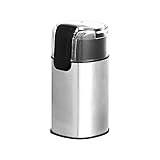
Amazon Basics Fast Electric Coffee Grinder for Home Use, Easy to Use Coffee Bean and Spice Grinder with Heavy-Duty Stainless Steel Grind Blades
- Electric coffee bean grinder appliance for home use
- Can grind 30 grams/1 ounce of beans for drip coffee brewing in 10 seconds
- Grind coffee beans, herbs, spices, grains, nuts, and more
- Clear safety lid allows you to easily see the results in progress
- Heavy-duty stainless steel grind blade
What affects the result
- Coffee Bean Freshness: Older beans lose flavor. Buy whole beans and grind them just before brewing.
- Grind Size: This is huge for a French press. Too fine, and you get bitter, muddy coffee. Too coarse, and it’ll be weak.
- Water Quality: Filtered water tastes better than tap water. Avoid distilled water; it lacks minerals needed for flavor.
- Water Temperature: Ideal is 195-205°F (90-96°C). Too hot burns the coffee. Too cool results in weak, sour brew.
- Coffee-to-Water Ratio: A good starting point is 1:15 (1 gram of coffee to 15 grams of water). Adjust to your taste. That’s about 2 tablespoons per 6 oz water.
- Steep Time: Typically 4 minutes. Shorter means weaker, longer can mean bitter.
- The Press: Pressing too fast can force fine grounds through the filter. Go slow and steady.
- Agitation: Stirring the grounds after adding water can help with even extraction. Don’t overdo it.
- Brewer Type: While it’s a French press, some have finer filters than others. This can impact sediment.
- The Roast Level: Lighter roasts might need slightly hotter water or longer steep times to bring out their flavors. Darker roasts are more forgiving.
- Altitude: Water boils at a lower temperature at higher altitudes. You might need to adjust your water heating.
- Cleanliness: A dirty press can impart stale, bitter flavors. Wash it thoroughly after every use.
Pros, cons, and when it matters
- Pro: Rich Flavor: You get a full-bodied cup with all the coffee oils. This is the main draw.
- Con: Sediment: Some fine grounds can sneak through the filter. It’s part of the charm for some, a nuisance for others.
- Pro: Simple to Use: No fancy electronics. Just a few steps and you’re good to go.
- Con: Requires Coarse Grind: You really need a good burr grinder for consistency. Blade grinders are hit or miss.
- Pro: Portable: Many are glass, but travel versions are often durable plastic or stainless steel. Great for camping.
- Con: Can be Messy: Dealing with wet grounds can be a bit of a cleanup chore.
- Pro: Affordable: Basic French presses are very budget-friendly.
- Con: Glass is Fragile: If you drop it, it’s probably toast. Stainless steel or plastic options solve this.
- Pro: Total Control: You dictate everything – grind, temp, time. Perfect for coffee nerds.
- Con: Not for Speed: It takes about 5 minutes from start to finish. Not ideal when you’re in a rush.
- Pro: Environmentally Friendly: No paper filters needed. Just grounds to compost.
- Con: Can Over-extract: If you leave brewed coffee in the press, it keeps extracting and gets bitter.
Common misconceptions
- Myth: Any grind size works. Nope. Coarse is crucial. Fine grinds clog the filter and make sludge.
- Myth: Boiling water is best. Definitely not. Boiling water scorches the coffee. Let it cool a bit.
- Myth: You can leave coffee in the press. Bad idea. It continues to brew and turns bitter. Pour it out.
- Myth: The plunger filters out all the grounds. It’s designed to catch the bulk, but some fine sediment is normal.
- Myth: You need a special French press coffee. Any good quality whole bean coffee works. Freshness is more important than origin.
- Myth: Pressing hard makes stronger coffee. It just forces grounds through. Slow and steady is the way.
- Myth: You have to stir it. A gentle stir after the bloom can help, but it’s not strictly mandatory.
- Myth: Cleaning is a pain. It’s actually pretty simple. Rinse, wash with soap, and dry. Just don’t let grounds sit.
- Myth: French press coffee is always bitter. Not if you use the right grind, temp, and time. It’s about technique.
- Myth: It’s only for dark roasts. Works great for medium and even some lighter roasts, just adjust your parameters.
FAQ
- How much coffee do I use in a French press? A good starting point is a 1:15 ratio of coffee to water by weight. For volume, try about 2 tablespoons of coarse grounds for every 6 ounces of water. Adjust to your taste.
- What kind of coffee beans should I use? Use fresh, whole bean coffee. Medium to dark roasts often perform well, but experiment with what you like. Always grind right before brewing.
- How long should I steep the coffee? Four minutes is the standard steep time for a French press. You can adjust this slightly – less time for a lighter cup, a bit more for a stronger one, but be careful not to over-extract.
- Can I use pre-ground coffee? You can, but it’s not ideal. Pre-ground coffee is often too fine for a French press, leading to sediment. If you must, look for a coarse grind specifically for French press.
- How do I clean a French press? Discard the grounds (compost them!), then wash the carafe and plunger assembly with warm, soapy water. Rinse thoroughly and dry. Don’t let coffee oils build up.
- What if my coffee has too much sediment? Your grind might be too fine, or you might be pressing too quickly. Ensure you’re using a coarse grind and press the plunger down slowly and steadily.
- Is it okay to leave coffee in the French press after brewing? No, you should pour all the brewed coffee out immediately. Leaving it in the press will cause it to continue extracting and become bitter.
- Why is my French press coffee weak? This could be due to a few things: not enough coffee grounds, water that isn’t hot enough, or too short a steep time. Check your ratio, temperature, and time.
If you don’t have a grinder, look for pre-ground coffee specifically labeled as ‘coarse ground coffee’ for French press.
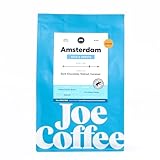
Joe Coffee Company (NYC Roaster), Amsterdam Ground Specialty Coffee, 12 oz Bag, Rainforest Alliance Certified, Kosher, Climate Friendly
- Rich, sweet, and comforting, Amsterdam is the perfect drip coffee option for those who seek a deeper roast profile.
- We select the components for this coffee for their ability to stand up to a more developed roast, without ever tasting over-roasted or smoky. Instead, we pull out classic notes of chocolate, nut, and toffee.
- One 12 ounce bag
What this page does NOT cover (and where to go next)
- Specific coffee bean origins and their flavor profiles. Explore single-origin coffees.
- Advanced brewing techniques like inverted French press or specific stirring methods.
- Detailed comparisons of different French press brands and materials.
- Troubleshooting specific water chemistry issues for brewing.
- Recipes for coffee drinks using French press coffee.