
How to Make Decaf Coffee With Milk: Step-by-Step Guide
Quick answer
- Use good quality decaf beans. Freshly roasted makes a difference, even decaf.
- Grind your decaf beans right before brewing. Coarser for French press, finer for drip.
- Brew your decaf coffee strong. A little extra coffee grounds helps boost flavor.
- Warm your milk. Don’t boil it, just get it nice and steamy.
- Combine brewed decaf and warm milk. Adjust ratios to your taste.
- Consider a sweetener. A touch of honey or simple syrup can round things out.
Who this is for
- Anyone who enjoys coffee but wants to skip the caffeine kick.
- People who love a creamy, comforting coffee drink without the jitters.
- Home baristas looking to perfect their decaf latte or cappuccino game.
What to check first
Brewer type and filter type
Different brewers work best with different filters. A paper filter for drip coffee will give you a cleaner cup. Metal filters, like in a French press or some pour-overs, let more oils through, giving a richer body. Make sure your filter is the right size and type for your brewer. I always keep a stash of both paper and metal filters handy.
If you’re using a drip coffee maker, ensure you have the right paper filters for a clean cup. We recommend having a good quality drip coffee maker on hand for consistent results.
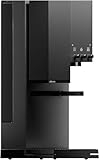
- 1. Three Levels of Automation for Any Skill Level: Choose from Autopilot, Copilot, or Free Solo mode. Autopilot handles the entire brewing process automatically. Copilot provides step-by-step guidance. Free Solo gives you full manual control. This coffee machine works for beginners and professional baristas alike.
- 2. Intuitive User Interface with Tactile Knobs and LED Matrix: The Studio features physical control knobs and a clear LED Matrix display. You can adjust grind size, water temperature, and flow rate in real time without navigating complicated touchscreen menus.
- 3. Full Customization via the xBloom App: Use the xBloom app to create, adjust, save, and share your favorite coffee recipes. Every brewing parameter can be fine-tuned and synced to the machine instantly. Your perfect cup is saved and repeatable.
- 4. Compostable xPod System for Minimal Waste and Maximum Flavor: Each xPod contains carefully selected whole beans and a built-in filter. Tap the recipe card, pour the beans into the grinder, place the pod into the dock, and press start. No capsules, no extra paper filters, no unnecessary waste.
- 5. What Is Included in the Box: The package includes the xBloom Studio, Omni Dripper 2 with Hyperflow Bottom, 10 paper filters, xPod Dock, Magnetic Dosing Cup, default recipe card, quick start guide, cleaning brush, and universal power cord. Everything you need is included.
Water quality and temperature
Tap water can sometimes have off-flavors that mess with your coffee. Filtered water is usually the way to go. For brewing, aim for water around 195-205°F (90-96°C). Too hot, and you’ll scorch the grounds. Too cool, and you won’t extract enough flavor.
Grind size and coffee freshness
Freshness matters, even for decaf. Look for roast dates on the bag. Grind your beans just before you brew. A burr grinder gives a more consistent grind than a blade one. For drip, think medium grind. For French press, go coarser. For espresso-style decaf, it needs to be much finer.
Coffee-to-water ratio
This is key for a good cup. A common starting point is a 1:15 to 1:17 ratio (coffee to water by weight). So, for 15 grams of coffee, use 225-255 grams of water. Since decaf can sometimes be a bit less robust, you might want to bump up the coffee amount slightly, maybe to 1:14, to get a bolder flavor.
Cleanliness/descale status
A dirty brewer is the enemy of good coffee. Old coffee oils can turn rancid and make your decaf taste bitter or stale. Descale your machine regularly, especially if you have hard water. A clean brewer means your decaf coffee can shine.
Step-by-step (brew workflow)
1. Gather your decaf beans.
- What to do: Select your preferred decaf coffee beans.
- What “good” looks like: Beans that smell fresh, not dusty or stale.
- Common mistake: Using old, stale decaf beans. Avoid this by checking roast dates.
2. Measure your decaf beans.
- What to do: Weigh your beans. A good starting point is 15-20 grams for about 8-10 oz of water.
- What “good” looks like: Precise measurement for consistent results.
- Common mistake: Eyeballing the amount. This leads to weak or overly strong coffee.
3. Grind your decaf beans.
- What to do: Grind the beans to the appropriate size for your brewer (medium for drip, coarse for French press).
- What “good” looks like: A uniform grind size.
- Common mistake: Grinding too fine for a drip machine, which can lead to over-extraction and bitterness.
4. Heat your water.
- What to do: Heat filtered water to 195-205°F (90-96°C).
- What “good” looks like: Water that’s hot but not boiling.
- Common mistake: Using boiling water, which can burn the coffee and create bitter notes.
5. Prepare your brewer.
- What to do: Rinse your paper filter with hot water (if using) and assemble your brewer.
- What “good” looks like: A clean brewer, a rinsed filter to remove paper taste.
- Common mistake: Forgetting to rinse the paper filter.
6. Add ground decaf to the brewer.
- What to do: Place the freshly ground decaf coffee into your prepared brewer.
- What “good” looks like: An even bed of coffee grounds.
- Common mistake: Tamping down the grounds too hard in certain brewers, which can impede water flow.
7. Bloom the coffee (optional but recommended).
- What to do: Pour just enough hot water (about twice the weight of the coffee) to saturate the grounds. Let it sit for 30 seconds.
- What “good” looks like: The coffee grounds puffing up and releasing CO2.
- Common mistake: Skipping this step, which can result in a less even extraction.
8. Brew the decaf coffee.
- What to do: Slowly pour the remaining hot water over the grounds, using a circular motion.
- What “good” looks like: A steady stream of coffee filling your carafe or mug.
- Common mistake: Pouring water too quickly, causing channeling and uneven extraction.
9. Warm your milk.
- What to do: Heat your milk gently on the stovetop or in a frother until it’s warm, not boiling.
- What “good” looks like: Steamed milk with a slight microfoam, around 140-150°F (60-65°C).
- Common mistake: Overheating the milk, which can scald it and ruin the sweetness.
10. Combine decaf and milk.
- What to do: Pour your brewed decaf coffee into your mug, then add the warmed milk.
- What “good” looks like: Your desired coffee-to-milk ratio.
- Common mistake: Adding cold milk to hot coffee, which cools it down too much.
11. Sweeten to taste (optional).
- What to do: Stir in your preferred sweetener if desired.
- What “good” looks like: Sweetness that complements, not overpowers, the coffee and milk.
- Common mistake: Adding too much sweetener, masking the subtle flavors.
Common mistakes (and what happens if you ignore them)
| Mistake | What it causes | Fix |
|---|---|---|
| Using stale or old decaf beans | Flat, lifeless, or bitter coffee | Buy freshly roasted decaf beans and check roast dates. |
| Grinding beans too fine for drip | Over-extraction, bitter, muddy coffee | Use a medium grind size for drip brewers. |
| Grinding beans too coarse for French press | Under-extraction, weak, sour coffee | Use a coarse grind for French press. |
| Using water that’s too hot | Scorched coffee, harsh, bitter taste | Heat water to 195-205°F (90-96°C). |
| Using water that’s too cool | Under-extraction, weak, sour coffee | Ensure water is within the optimal brewing temperature range. |
| Not cleaning the brewer regularly | Rancid oil buildup, stale, off-flavors | Clean your brewer thoroughly after each use and descale often. |
| Incorrect coffee-to-water ratio (too little coffee) | Weak, watery, unsatisfying coffee | Aim for a 1:15 to 1:17 ratio (coffee:water) and adjust to taste. |
| Incorrect coffee-to-water ratio (too much coffee) | Overly strong, bitter, or difficult to drink coffee | Adjust down the coffee dose or up the water. |
| Overheating the milk | Scalded milk flavor, loss of sweetness, poor texture | Warm milk gently, aiming for 140-150°F (60-65°C). |
| Using unfiltered tap water | Off-flavors from chlorine or minerals impacting taste | Use filtered water for brewing. |
Decision rules (simple if/then)
- If your decaf coffee tastes bitter, then try a coarser grind or a lower water temperature because these can reduce over-extraction.
- If your decaf coffee tastes weak or sour, then try a finer grind or a slightly higher coffee-to-water ratio because this can improve extraction.
- If you’re using a French press, then use a coarse grind because fine grinds will pass through the metal filter and make your coffee muddy.
- If you’re using a drip machine with a paper filter, then use a medium grind because it’s ideal for this brewing method.
- If your decaf coffee smells stale, then it’s time to buy new beans because freshness significantly impacts flavor.
- If your milk curdles when you add it to your coffee, then make sure your coffee is not too acidic and your milk is fresh because these can cause curdling.
- If you want a richer, more full-bodied decaf coffee, then consider using a metal filter or a French press because they allow more oils to pass through.
- If you want a cleaner, brighter decaf coffee, then use a paper filter with your drip brewer because it traps more of the coffee’s oils and fine particles.
- If you notice mineral buildup in your coffee maker, then descale it soon because this buildup affects brewing temperature and can impart off-flavors.
- If you’re struggling to get good flavor from your decaf, then experiment with the coffee-to-water ratio, starting around 1:15 and adjusting from there, because this is a primary driver of brew strength.
FAQ
Q: Does decaf coffee still have any caffeine?
A: Yes, decaf coffee is not completely caffeine-free. It typically has about 2-3% of the caffeine found in regular coffee. Most people won’t notice this small amount.
Q: What’s the best way to warm milk for decaf coffee?
A: Gently heat it on the stovetop over low heat, or use a milk frother. Aim for around 140-150°F (60-65°C) to avoid scalding.
Q: Can I use flavored decaf beans?
A: Absolutely. Flavored decaf beans can add another layer of taste to your coffee drink, especially if you’re making something like a decaf mocha or caramel latte.
Q: How much coffee should I use for decaf?
A: A good starting point is a ratio of 1:15 to 1:17 (coffee to water by weight). You might want to use slightly more decaf grounds than regular coffee to achieve a similar flavor intensity.
Q: Why does my decaf coffee taste bland?
A: This could be due to stale beans, incorrect grind size, or brewing with water that’s too cool. Ensure your decaf beans are fresh and your brewing process is optimized.
Q: Is it okay to add sugar or other sweeteners to decaf coffee with milk?
A: Of course! Sweeteners like sugar, honey, or simple syrup can enhance the flavor of your decaf coffee and milk, balancing out any bitterness.
Q: Can I make iced decaf coffee with milk?
A: Yes. Brew your decaf coffee double strength, let it cool, then pour it over ice and add cold milk and sweetener to your liking.
What this page does NOT cover (and where to go next)
- Specific decaffeination processes (e.g., Swiss Water vs. chemical solvents) and their subtle flavor impacts.
- Detailed espresso extraction techniques for decaf beans.
- Advanced milk steaming and latte art for decaf beverages.
- DIY methods for making flavored syrups or custom sweeteners.