
How To Make Coffee-Flavored Overnight Oats
Quick answer
- Yes, you can absolutely make overnight oats with coffee!
- Use strong brewed coffee or espresso for the best flavor.
- Adjust the liquid ratio to account for the coffee’s water content.
- Consider adding coffee-enhancing ingredients like cocoa or cinnamon.
- Start with a 1:1 ratio of liquid to oats and adjust from there.
- Chill for at least 4 hours, or preferably overnight.
Who this is for
- Busy mornings folks who want a quick, tasty breakfast.
- Coffee lovers looking to combine their two favorite things.
- Anyone experimenting with new breakfast flavors and textures.
What to check first
Brewer type and filter type
Your coffee maker matters. A French press or pour-over will give you a richer, more nuanced flavor than a standard drip machine. If you’re using a drip machine, a good filter is key to keeping grounds out of your oats. For this recipe, we’re aiming for a clean coffee flavor.
Water quality and temperature
Good water makes good coffee. If your tap water tastes off, your coffee will too. Filtered water is your friend here. For brewing the coffee itself, aim for temps between 195-205°F. Too cool, and you won’t extract flavor. Too hot, and you can burn the grounds.
Grind size and coffee freshness
Freshly ground beans are a game-changer. A medium grind is usually best for drip coffee, while a coarser grind works for French press. Pre-ground coffee loses its punch fast. For overnight oats, you want that coffee flavor to be front and center, so fresh is best.
Coffee-to-water ratio
This is where it gets interesting for oats. For a strong coffee flavor, you’ll want to brew your coffee a bit stronger than you normally would for drinking. Think of it as a concentrated coffee base. A good starting point is a 1:1 ratio of coffee to oats, but you might adjust based on how much liquid your oats absorb.
Cleanliness/descale status
Make sure your coffee maker is clean. Old coffee oils can turn rancid and make your oats taste bitter or stale. If your machine has been a while since its last deep clean or descaling, give it a good scrub. It’s a simple step that makes a big difference.
Step-by-step (brew workflow)
1. Brew Your Coffee: Make a strong batch of coffee. Use your preferred method – drip, French press, espresso, or even a Moka pot. Aim for a concentrated brew.
- Good looks like: Rich, dark coffee with a strong aroma.
- Common mistake: Brewing weak coffee. This will result in a subtle, barely-there coffee flavor in your oats. Use more grounds or less water than you normally would.
2. Cool the Coffee: Let the brewed coffee cool down to room temperature or slightly warm. You don’t want to cook the oats, just combine them.
- Good looks like: Liquid that’s not steaming hot.
- Common mistake: Pouring boiling hot coffee over the oats. This can make them mushy and affect the texture. Patience, my friend.
3. Measure Oats and Coffee: In a jar or container, combine your rolled oats and the cooled, strong coffee. A good starting point is a 1:1 ratio by volume (e.g., 1/2 cup oats to 1/2 cup coffee).
- Good looks like: Oats and liquid mixed together, with the oats just submerged.
- Common mistake: Using too much coffee initially. You can always add more liquid later if it’s too thick, but it’s hard to fix overly soupy oats.
4. Add Other Liquids (Optional): If you like a creamier texture, add a splash of milk (dairy or non-dairy) or yogurt. This also helps balance the coffee’s bitterness.
- Good looks like: A slightly more fluid mixture, indicating creaminess.
- Common mistake: Adding too much extra liquid at this stage. It’s easy to overdo it and end up with watery oats. Start small.
5. Sweeten and Flavor (Optional): Stir in your preferred sweetener (maple syrup, honey, sugar) and any flavorings like cocoa powder, cinnamon, or a pinch of salt.
- Good looks like: Ingredients evenly distributed throughout the mixture.
- Common mistake: Not sweetening enough, or adding flavors that clash with coffee. Taste as you go, but remember flavors will meld overnight.
Stir in your preferred sweetener, such as this popular option, and any flavorings like cocoa powder, cinnamon, or a pinch of salt.
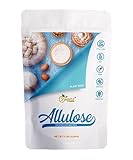
- 【AMAZING TASTE AND CALORIE-FREE】 Allulose is a monosaccharide or simple sugar that naturally exists in some fruits. It closely resembles the flavor of regular sugar but without any unpleasant aftertaste. Allulose is about 70% as sweet as sugar, but contains less than 10% of the calories found in sucrose, making it virtually calorie-free while still providing the natural sweetness of sugar.
- 【GREAT TEXTURE, VOLUME, AND CARAMELIZATION】 Allulose virtually replicates the texture and volume of sugar, while also demonstrating similar caramelization and thickening properties when used in baking and cooking. These exceptional characteristics set allulose apart as an excellent ingredient for achieving desired outcomes in a wide range of culinary applications that align with your healthy lifestyle.
- 【MORE ALLULOSE BLENDS】 Going beyond Allulose, G-Sweetz Allulose sweeteners broaden your options by blending with a variety of intensive sweeteners such as Monk Fruit extract, Stevia Extract, a combination of both, or the classic sucralose. Each sweetener series, derived from Allulose blends, provides a range of sweetness levels from 1X to 20X, ensuring both your sweet tooth and budget are perfectly catered to!
- 【HEALTHY CHOICES】 Upgrade your sweet experience with a sugary-tasting sweetener that's Keto-friendly, containing 0 net carbs. Our allulose is derived from natural ingredients and is free of GMOs, additives, artificial flavors, soy, and gluten. This sweetener is also vegan-friendly, tooth-friendly, and has zero sugar. Enjoy its delicious taste without worrying about any negative side effects.
- 【US QUALITY】 Our products are made and tested in accordance with approved product standards. Our facilities are registered with the FDA and comply with the regulations and licensing requirements of the New Jersey Department of Health and Earth Kosher. For any product inquiries, our US-based live support team is available to assist you.
6. Stir Thoroughly: Mix everything really well. Make sure there are no dry pockets of oats.
- Good looks like: A uniform mixture with no clumps.
- Common mistake: Not stirring enough. Dry oats at the bottom are a sad sight and won’t soften properly.
7. Seal and Chill: Cover your container tightly and place it in the refrigerator.
- Good looks like: A sealed container ready for its nap.
- Common mistake: Leaving it uncovered. This can lead to weird fridge smells getting into your oats or the oats drying out.
8. Wait: Let the oats chill for at least 4 hours, but overnight is ideal. This gives the oats time to absorb the liquid and soften.
- Good looks like: A thick, pudding-like consistency.
- Common mistake: Eating them too soon. They won’t be soft enough, and the flavors won’t have had a chance to meld.
9. Check Consistency and Adjust: In the morning, give the oats a stir. If they’re too thick, add a splash more coffee, milk, or water. If too thin, add a few more oats and let them sit for 30 minutes.
- Good looks like: Your desired creamy, spoonable texture.
- Common mistake: Forgetting to check and adjust. Everyone likes their oats a little different.
10. Add Toppings: Top with your favorite things – fruit, nuts, seeds, a drizzle of cream, or even a little whipped cream.
- Good looks like: A beautifully presented, delicious breakfast.
- Common mistake: Overdoing the toppings. Let the coffee flavor shine!
Common mistakes (and what happens if you ignore them)
| Mistake | What it causes | Fix |
|---|---|---|
| Using stale or low-quality coffee | Bitter, weak, or off-flavors in the oats. | Use freshly roasted, good quality beans. Brew strong. |
| Not brewing coffee strong enough | Barely noticeable coffee flavor. | Increase coffee grounds or decrease water during brewing. |
| Using hot coffee | Mushy, overcooked oats; texture issues. | Let coffee cool to room temperature or warm before mixing. |
| Incorrect oat-to-liquid ratio | Too thick (like paste) or too thin (soupy). | Start 1:1 and adjust as needed in the morning. |
| Not stirring well enough | Dry oats at the bottom; uneven texture. | Stir vigorously until all oats are submerged and evenly moistened. |
| Skipping the chilling time | Undercooked, crunchy oats; undeveloped flavors. | Allow at least 4 hours, preferably overnight, for proper hydration. |
| Adding too much extra liquid early | Watery oats that are hard to thicken later. | Add extra liquids sparingly; it’s easier to thin than thicken. |
| Forgetting to seal the container | Oats can dry out or absorb fridge odors. | Always use a lid or plastic wrap to seal the container tightly. |
| Over-sweetening or clashing flavors | Overpowers the coffee taste; unpleasant combination. | Taste and adjust sweetness; choose complementary flavors like chocolate. |
| Using instant coffee (unless specified) | Artificial taste; lacks depth of brewed coffee. | Opt for brewed coffee for a richer, more authentic flavor. |
Decision rules (simple if/then)
- If your oats are too thick, then add more coffee or milk because you need more liquid to reach your desired consistency.
- If your oats are too thin, then add more oats because they will absorb the excess liquid and thicken the mixture.
- If the coffee flavor is too weak, then brew your next batch stronger or add a shot of espresso to the current batch because you need more coffee concentrate.
- If the oats taste bitter, then add a bit more sweetener or a splash of cream because bitterness can be balanced with sweetness or richness.
- If you prefer a creamier texture, then add a tablespoon of Greek yogurt or a splash of milk because these add richness and body.
- If you want a chocolatey kick, then add a teaspoon of cocoa powder because it pairs wonderfully with coffee.
- If you’re sensitive to caffeine, then use decaf coffee or a mix of decaf and regular because you can still enjoy the flavor without the full caffeine punch.
- If you’re short on time in the morning, then prepare your oats the night before because that’s the whole point of overnight oats.
- If you want a bolder coffee taste, then use espresso or a very strong cold brew concentrate because these are naturally more potent.
- If you want to add some crunch, then top with nuts or granola just before serving because toppings are best added fresh.
- If your coffee has a sour note, then check your brewing temperature or grind size because those are common culprits for sour coffee.
- If you’re making this for kids, then consider a milder coffee or a smaller amount of coffee and add more sweetener and fruit because they might not appreciate a strong coffee flavor.
FAQ
Can I use instant coffee?
You can, but it won’t taste as good. Brewed coffee offers a much richer, more complex flavor that really shines in overnight oats. Instant coffee can sometimes have an artificial or bitter taste.
How much coffee should I use?
Start with a 1:1 ratio of strong brewed coffee to oats. If you want a really intense coffee flavor, you can increase the coffee or brew it extra strong. You can always adjust the liquid consistency in the morning.
Will the oats get soggy?
That’s the point! Overnight oats are meant to be soft and creamy. The oats absorb the liquid as they sit, creating a pudding-like texture.
Can I make this ahead of time for the whole week?
Yes, you can prepare a few jars at once. They usually keep well in the fridge for 3-4 days, though the texture might change slightly over time.
What kind of oats are best?
Rolled oats (old-fashioned oats) are generally the best choice. They absorb liquid well and create a nice creamy texture. Steel-cut oats require more liquid and a longer soak, while instant oats can become too mushy.
Is there a way to reduce the caffeine?
Absolutely. You can use decaf coffee, or a blend of regular and decaf. You could also use a less caffeinated brew method like cold brew, or simply use less coffee overall and supplement with milk.
What if I don’t like the coffee flavor?
You can use less coffee and more milk or water, or add ingredients that complement coffee but mellow its intensity, like cocoa powder, cinnamon, or vanilla extract.
Can I use cold brew coffee?
Yes, cold brew is a fantastic option! It’s naturally less acidic and has a smooth, rich flavor that works perfectly in overnight oats. Use it chilled.
What this page does NOT cover (and where to go next)
- Specific coffee bean origin recommendations for brewing.
- Detailed instructions on how to use every single type of coffee maker.
- Nutritional breakdowns or calorie counts for various oat and coffee combinations.
- Advanced coffee brewing techniques like siphon or Aeropress for oats.
- Troubleshooting unique texture issues beyond basic liquid ratios.