
How to Make Cold Brew Coffee Using a French Press
Quick answer
- Use a French press to make cold brew by steeping coarse coffee grounds in cold water for 12-24 hours.
- A coarse grind is essential to prevent sediment and over-extraction.
- Aim for a coffee-to-water ratio between 1:4 and 1:8 for concentrate, or 1:15 for ready-to-drink.
- Always use filtered water for the best flavor.
- Ensure your French press is clean before you begin.
- Store your cold brew concentrate in an airtight container in the refrigerator.
Who this is for
- Coffee lovers who want to make smooth, less acidic cold brew at home.
- Individuals looking for a simple, low-tech method to create cold brew concentrate.
- French press owners who want to expand their brewing repertoire beyond hot coffee.
What to check first
Brewer type and filter type
- Brewer Type: You are using a French press, which is a manual immersion brewer. This method is well-suited for cold brew.
- Filter Type: The metal mesh filter in a French press is designed to separate grounds from liquid. For cold brew, it’s crucial that this filter is clean and intact to minimize sediment in your final cup.
A French press is an excellent tool for making cold brew, and ensuring yours is clean and intact is crucial for minimizing sediment.

- Wash in warm, soapy water before first use and dry thoroughly
- Not for stovetop use
- Turn lid to close spout
- Easy-to-clean glass carafe
Water quality and temperature
- Water Quality: The flavor of your cold brew is heavily influenced by the water you use. Tap water can sometimes contain minerals or chlorine that impart off-flavors. Using filtered water, such as from a Brita pitcher or a more advanced filtration system, will result in a cleaner, more nuanced coffee taste.
- Water Temperature: For cold brew, you’ll be using cold or room temperature water. This is the defining characteristic of the brewing process. Unlike hot brewing, the lower temperature extracts different compounds from the coffee, leading to a smoother, less bitter profile.
Grind size and coffee freshness
- Grind Size: This is perhaps the most critical factor for French press cold brew. You need a coarse grind, similar to breadcrumbs or sea salt. A grind that is too fine will pass through the French press filter, resulting in a muddy, sludgy coffee, and can also lead to over-extraction and bitterness.
- Coffee Freshness: While cold brew is forgiving, using freshly roasted and freshly ground coffee beans will always yield the best results. Look for beans roasted within the last few weeks. Grind your beans just before brewing for optimal flavor.
Coffee-to-water ratio
- Ratio: The amount of coffee to water will determine the strength of your cold brew. For a concentrate that you’ll dilute later with water or milk, a ratio between 1:4 and 1:8 (coffee to water by weight or volume) is common. If you prefer a ready-to-drink brew, aim for a ratio closer to 1:15. Experiment to find your preferred strength.
Cleanliness/descale status
- Cleanliness: Any residual coffee oils or old grounds in your French press can impart stale or bitter flavors into your fresh cold brew. Thoroughly wash your French press with warm, soapy water after each use and rinse well.
- Descale Status: Over time, mineral buildup from water can affect your brewer’s performance and taste. If you notice any mineral deposits or if your French press isn’t cleaning as easily as it used to, consider descaling it according to the manufacturer’s instructions.
Step-by-step (brew workflow)
1. Grind Your Coffee: Measure out your whole coffee beans and grind them coarsely.
- What “good” looks like: The grounds should resemble coarse sea salt or breadcrumbs, with visible particle separation.
- Common mistake: Using a fine grind, like for espresso or drip coffee.
- How to avoid it: Use a burr grinder set to its coarsest setting, or ensure your blade grinder produces large, uniform particles.
To achieve the perfect coarse grind for cold brew, a quality burr grinder is highly recommended. This ensures uniform particle size, which is key to avoiding sediment and bitterness.
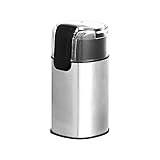
- Electric coffee bean grinder appliance for home use
- Can grind 30 grams/1 ounce of beans for drip coffee brewing in 10 seconds
- Grind coffee beans, herbs, spices, grains, nuts, and more
- Clear safety lid allows you to easily see the results in progress
- Heavy-duty stainless steel grind blade
2. Add Grounds to French Press: Place the coarse coffee grounds into the bottom of your clean French press.
- What “good” looks like: The grounds are settled evenly at the bottom of the carafe.
- Common mistake: Not adding all the grounds or having them clumped unevenly.
- How to avoid it: Gently tap the press to settle the grounds and ensure an even layer.
3. Measure Your Water: Measure out your cold or room-temperature filtered water according to your desired ratio.
- What “good” looks like: The correct volume of water is measured out, ready to be poured.
- Common mistake: Using tap water or inaccurate measurements.
- How to avoid it: Use a kitchen scale for precision or a measuring cup for volume, and opt for filtered water.
4. Bloom the Coffee (Optional but Recommended): Pour just enough water over the grounds to saturate them, then let it sit for 30-60 seconds.
- What “good” looks like: The grounds will puff up and release CO2, creating a bubbly surface. This is called the bloom.
- Common mistake: Skipping the bloom or pouring all the water at once.
- How to avoid it: Pour slowly and evenly, ensuring all grounds are wet, then wait for the bloom to subside before proceeding.
5. Add Remaining Water: Pour the rest of your measured water into the French press.
- What “good” looks like: The grounds are fully submerged in water, and the carafe is filled to the desired level.
- Common mistake: Overfilling the French press, leaving no room for the plunger.
- How to avoid it: Leave at least an inch of space at the top of the carafe.
6. Gently Stir: Use a non-metal spoon (like wood or plastic) to gently stir the coffee and water mixture.
- What “good” looks like: All the grounds are evenly distributed and saturated.
- Common mistake: Vigorous stirring that can break up grounds or damage the filter.
- How to avoid it: A few gentle stirs are sufficient to ensure immersion.
7. Place the Lid: Put the lid on the French press, but do not press the plunger down yet.
- What “good” looks like: The lid is resting on top, creating a seal to prevent evaporation.
- Common mistake: Forgetting to put the lid on, or pressing the plunger down prematurely.
- How to avoid it: Ensure the lid is seated properly and resist the urge to press.
8. Steep (12-24 Hours): Let the French press sit at room temperature or in the refrigerator for 12 to 24 hours.
- What “good” looks like: The coffee is steeping, and the aroma will develop over time. Longer steeping generally results in a stronger flavor.
- Common mistake: Steeping for too short a time (weak coffee) or too long (potentially bitter).
- How to avoid it: Start with 18 hours and adjust in future brews based on taste.
9. Slowly Plunge: After steeping, slowly and steadily press the plunger all the way down.
- What “good” looks like: The plunger moves smoothly and evenly, separating the grounds from the liquid.
- Common mistake: Plunging too quickly, which can force fine particles through the filter or agitate the grounds.
- How to avoid it: Apply gentle, consistent pressure. If you feel significant resistance, stop and lift slightly before continuing.
10. Decant Immediately: Pour the cold brew into a separate airtight container as soon as you’ve finished plunging.
- What “good” looks like: All the brewed liquid is out of the French press and in storage.
- Common mistake: Leaving the cold brew in the French press, allowing it to continue extracting from the grounds.
- How to avoid it: Pour every last drop into your storage container.
11. Dilute and Serve: Dilute your cold brew concentrate with water, milk, or ice to your desired strength.
- What “good” looks like: A perfectly balanced, refreshing cold coffee drink.
- Common mistake: Serving the concentrate straight without dilution, resulting in an overly intense flavor.
- How to avoid it: Start with a 1:1 ratio of concentrate to water or milk and adjust to your preference.
Common mistakes (and what happens if you ignore them)
| Mistake | What it causes | Fix |
|---|---|---|
| Using a fine coffee grind | Muddy, sludgy coffee; over-extraction and bitterness; grounds in the cup. | Use a coarse grind (like breadcrumbs). |
| Using tap water | Off-flavors, metallic notes, or chlorine taste in the cold brew. | Use filtered or bottled water. |
| Not cleaning the French press | Stale, rancid coffee flavors from old oils and grounds. | Wash thoroughly with soap and water after each use. |
| Plunging too quickly | Sediment bypasses the filter; grounds can be forced into the brewed coffee. | Plunge slowly and steadily with consistent pressure. |
| Leaving cold brew in the French press | Continued extraction from grounds, leading to over-extraction and bitterness. | Decant immediately into a separate storage container after plunging. |
| Using too little coffee (weak ratio) | Watery, weak-tasting cold brew that lacks depth and body. | Increase the coffee-to-water ratio (e.g., from 1:15 to 1:10). |
| Using too much coffee (overly strong) | Bitter, intensely concentrated flavor that’s hard to drink or dilute. | Decrease the coffee-to-water ratio (e.g., from 1:4 to 1:6). |
| Skipping the bloom | Less efficient extraction; potential for more sour notes. | Pour a small amount of water to wet grounds, let sit 30-60 seconds before adding remaining water. |
| Using stale coffee beans | Flat, dull flavor; lack of aroma and nuanced taste notes. | Use freshly roasted beans (within 2-3 weeks of roast date). |
| Not stirring after adding water | Uneven extraction; some grounds may be under-extracted, others over-extracted. | Gently stir to ensure all grounds are saturated and evenly distributed. |
Decision rules (simple if/then)
- If your cold brew tastes bitter, then reduce the steeping time or use a slightly coarser grind for your next batch because over-extraction is the likely cause.
- If your cold brew tastes weak or watery, then increase the coffee-to-water ratio or steep for a longer period because under-extraction is the likely cause.
- If you see a lot of sediment in your cup, then ensure your grind is coarse enough and that you are plunging slowly because fine particles are likely passing through the filter.
- If your cold brew has a dull or stale flavor, then use fresher coffee beans and ensure your French press is clean because old coffee or residue imparts off-flavors.
- If you want a concentrate to dilute, then use a ratio of 1:4 to 1:8 because this will yield a strong base for mixing.
- If you want ready-to-drink cold brew, then use a ratio of 1:15 because this is a more typical drinking strength.
- If you are sensitive to acidity, then use cold brew because the lower temperature brewing process extracts fewer acidic compounds.
- If you are using a blade grinder, then pulse it in short bursts and visually check the grind size frequently to achieve a coarse consistency because blade grinders can easily produce too fine a grind.
- If you notice mineral buildup in your French press, then descale it according to the manufacturer’s instructions because this can affect the taste and performance of your brewer.
- If you are making cold brew for the first time, then start with an 18-hour steep and a 1:8 ratio because this is a good baseline to learn from and adjust.
- If you want to enhance the flavor complexity, then experiment with different coffee origins and roast levels because the cold brew method highlights different characteristics of the beans.
- If you are storing cold brew concentrate, then keep it in an airtight container in the refrigerator for up to 1-2 weeks because this preserves freshness and flavor.
FAQ
Can a French press really make cold brew coffee?
Yes, a French press is an excellent tool for making cold brew. Its immersion brewing method, where coffee grounds steep directly in water, is ideal for the long, slow extraction process required for cold brew.
How long should I steep my cold brew in a French press?
For most people, 12 to 24 hours is the sweet spot. Shorter times might result in weaker coffee, while much longer times can sometimes lead to over-extraction and bitterness. It’s best to experiment to find your preferred duration.
What kind of coffee grind should I use for French press cold brew?
A coarse grind is essential. Think of the consistency of breadcrumbs or coarse sea salt. A finer grind will pass through the French press’s metal filter, creating sediment and potentially a bitter taste.
How much coffee and water should I use?
This depends on whether you want a concentrate or ready-to-drink brew. For concentrate, try a ratio of 1 part coffee to 4-8 parts water (by weight or volume). For a ready-to-drink brew, aim for closer to 1:15.
Will my cold brew have sediment?
Some fine sediment is normal with a French press, especially if your grind isn’t perfectly coarse or if you plunge too quickly. Decanting immediately after plunging helps minimize this. If you get a lot, re-evaluate your grind size and plunging technique.
How do I store French press cold brew?
Once brewed and plunged, pour the cold brew into an airtight container or jar and store it in the refrigerator. It can typically last for 1-2 weeks.
Is cold brew less acidic than hot coffee?
Yes, cold brew is generally considered to be less acidic than hot brewed coffee. The lower brewing temperature extracts fewer of the acidic compounds from the coffee beans, resulting in a smoother, gentler beverage.
Can I use any kind of coffee bean?
While you can use any coffee beans, medium to dark roasts often perform well for cold brew, offering rich, chocolatey, or nutty flavors. Lighter roasts can also be interesting, highlighting fruitier notes, but may require more experimentation with ratios and steep times.
What this page does NOT cover (and where to go next)
- Specific coffee bean recommendations or tasting notes for cold brew.
- Detailed comparisons of different cold brew maker types (e.g., dedicated cold brew systems).
- Advanced techniques like “flash chilling” or specific water mineral profiles.
- Troubleshooting very specific flavor defects beyond general bitterness or weakness.