
How to Make a Coffee Frappe
Quick answer
- Use strong, chilled coffee for the best flavor foundation.
- Blend with milk, sweetener, and ice until smooth and thick.
- Adjust sweetness and coffee strength to your personal preference.
- For a thicker frappe, use less liquid or add a thickener like xanthan gum.
- Serve immediately in a chilled glass to maintain consistency.
- Experiment with flavorings like vanilla extract, chocolate syrup, or caramel.
Who this is for
- Anyone looking to create a refreshing, coffee-based frozen drink at home.
- Coffee lovers who enjoy customizing their beverages.
- Individuals seeking an alternative to expensive coffee shop frappes.
What to check first
Brewer type and filter type
The type of coffee you brew for your frappe can impact its flavor. A strong brew is key.
- Drip coffee maker: A standard drip machine can produce strong coffee. Consider using a higher coffee-to-water ratio than usual. Paper filters are common and ensure a clean cup, which is good for frappes.
- French press: Excellent for a rich, full-bodied coffee. The metal mesh filter allows more coffee oils to pass through, adding depth.
- Espresso machine: An espresso shot provides the most concentrated coffee flavor, ideal for frappes. Use a fine grind and proper tamping.
Water quality and temperature
Good water is crucial for good coffee, even when it’s going into a frappe.
- Use filtered water for brewing. Tap water can contain chlorine or minerals that affect taste.
- Brew your coffee hot (around 195-205°F) for optimal extraction. You’ll chill it later.
Grind size and coffee freshness
These factors significantly influence the strength and flavor of your brewed coffee.
- Grind size: Match your grind to your brewing method. Coarse for French press, medium for drip, fine for espresso. An inconsistent grind can lead to uneven extraction.
- Coffee freshness: Use freshly roasted beans, ideally ground just before brewing. Stale coffee loses its aromatic compounds, resulting in a flat-tasting frappe.
Coffee-to-water ratio
A strong coffee base is essential for a flavorful frappe that doesn’t taste watered down.
- For drip or French press, aim for a ratio of 1:15 to 1:12 (coffee to water by weight) to ensure a robust brew. This is stronger than a typical cup.
- For espresso, follow your machine’s guidelines for a standard shot.
Cleanliness/descale status
A clean coffee maker ensures the best taste for your coffee.
- Regularly clean your brewing equipment. Coffee oils can build up and become rancid, imparting off-flavors.
- Descale your machine as recommended by the manufacturer, especially in areas with hard water. Mineral buildup can affect heating and flow.
Step-by-step: How to make a frappe with coffee
1. Brew strong coffee: Brew 4-6 ounces of strong coffee using your preferred method (drip, French press, or espresso).
- Good looks like: Dark, aromatic coffee with a robust flavor profile.
- Common mistake: Brewing weak coffee. Avoid by using a higher coffee-to-water ratio or making espresso.
2. Chill the coffee: Allow the brewed coffee to cool to room temperature, then refrigerate for at least 1-2 hours until thoroughly chilled.
- Good looks like: Coffee that is cold to the touch, preventing excessive ice melt.
- Common mistake: Using warm coffee. Avoid by chilling completely; warm coffee melts ice too quickly, diluting the frappe.
3. Gather ingredients: Have your chilled coffee, milk (dairy or non-dairy), sweetener (sugar, syrup, honey), ice, and any desired flavorings ready.
- Good looks like: All components are measured and within reach for efficient blending.
- Common mistake: Forgetting an ingredient. Avoid by setting everything out before you start.
4. Add liquids to blender: Pour the chilled coffee, 1/2 to 1 cup of milk, and your chosen sweetener into a high-speed blender.
- Good looks like: Liquids are in the blender, ready for ice. Adjust milk quantity based on desired thickness.
- Common mistake: Adding ice first. Avoid by adding liquids first to help the blades move.
5. Add ice: Add 1.5 to 2 cups of ice cubes to the blender.
- Good looks like: Sufficient ice to create a thick, icy texture without being watery.
- Common mistake: Too little ice. Avoid by adding enough ice to reach a desired thick consistency.
6. Add flavorings (optional): If desired, add vanilla extract, chocolate syrup, caramel, or other flavorings to the blender.
- Good looks like: Flavorings are incorporated evenly.
- Common mistake: Overpowering the coffee. Avoid by starting with small amounts and tasting as you go.
7. Blend until smooth: Secure the lid and blend on high speed until the mixture is completely smooth and thick, with no ice chunks.
- Good looks like: A uniform, slushy consistency, similar to a milkshake, with no visible ice.
- Common mistake: Under-blending. Avoid by blending longer and scraping down sides if needed.
8. Taste and adjust: Taste a small amount of the frappe. Adjust sweetness or coffee strength if necessary by adding more sweetener or a splash of strong coffee.
- Good looks like: Flavor profile is balanced to your preference.
- Common mistake: Not tasting before serving. Avoid by taking a small sip to ensure it’s just right.
9. Pour and serve: Pour the frappe into a chilled glass.
- Good looks like: A perfectly thick, cold beverage ready to enjoy.
- Common mistake: Serving in a warm glass. Avoid by chilling your serving glass beforehand to keep the frappe colder longer.
10. Garnish (optional): Top with whipped cream, a drizzle of chocolate or caramel, or a sprinkle of coffee grounds.
- Good looks like: An aesthetically pleasing and delicious final presentation.
- Common mistake: Over-garnishing. Avoid by adding toppings that complement, not overwhelm, the frappe.
When adding your chosen sweetener, consider using a simple syrup for the smoothest integration, or opt for granulated sugar if your blender is powerful enough to fully dissolve it. You can find a variety of sweeteners to suit your taste.
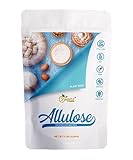
- 【AMAZING TASTE AND CALORIE-FREE】 Allulose is a monosaccharide or simple sugar that naturally exists in some fruits. It closely resembles the flavor of regular sugar but without any unpleasant aftertaste. Allulose is about 70% as sweet as sugar, but contains less than 10% of the calories found in sucrose, making it virtually calorie-free while still providing the natural sweetness of sugar.
- 【GREAT TEXTURE, VOLUME, AND CARAMELIZATION】 Allulose virtually replicates the texture and volume of sugar, while also demonstrating similar caramelization and thickening properties when used in baking and cooking. These exceptional characteristics set allulose apart as an excellent ingredient for achieving desired outcomes in a wide range of culinary applications that align with your healthy lifestyle.
- 【MORE ALLULOSE BLENDS】 Going beyond Allulose, G-Sweetz Allulose sweeteners broaden your options by blending with a variety of intensive sweeteners such as Monk Fruit extract, Stevia Extract, a combination of both, or the classic sucralose. Each sweetener series, derived from Allulose blends, provides a range of sweetness levels from 1X to 20X, ensuring both your sweet tooth and budget are perfectly catered to!
- 【HEALTHY CHOICES】 Upgrade your sweet experience with a sugary-tasting sweetener that's Keto-friendly, containing 0 net carbs. Our allulose is derived from natural ingredients and is free of GMOs, additives, artificial flavors, soy, and gluten. This sweetener is also vegan-friendly, tooth-friendly, and has zero sugar. Enjoy its delicious taste without worrying about any negative side effects.
- 【US QUALITY】 Our products are made and tested in accordance with approved product standards. Our facilities are registered with the FDA and comply with the regulations and licensing requirements of the New Jersey Department of Health and Earth Kosher. For any product inquiries, our US-based live support team is available to assist you.
Common mistakes (and what happens if you ignore them)
| Mistake | What it causes | Fix |
|---|---|---|
| Using warm coffee | Melts ice quickly, resulting in a watery, diluted frappe. | Chill brewed coffee completely before blending. |
| Brewing weak coffee | Frappe lacks coffee flavor, tastes like sweetened milk. | Use a higher coffee-to-water ratio; consider espresso. |
| Too little ice | Frappe is thin and liquidy, not thick and frozen. | Add more ice gradually until desired thickness is reached. |
| Too much ice | Frappe becomes overly icy, difficult to blend smoothly, or too thick. | Start with recommended ice amount; add liquids first. |
| Not enough sweetener | Frappe tastes bitter or bland, lacking balance. | Add sweetener gradually and taste until it’s right for you. |
| Too much sweetener | Frappe is overly sweet, masking coffee flavor. | Start with less sweetener; balance with a pinch of salt. |
| Using poor quality coffee | Frappe has an off or stale taste, even with other good ingredients. | Use fresh, good quality coffee beans, ground just before brewing. |
| Under-blending | Leaves ice chunks, uneven texture, not smooth. | Blend on high speed until completely smooth, scraping sides if necessary. |
| Over-blending | Can make frappe too thin due to friction melting ice. | Blend just until smooth; avoid prolonged blending once desired texture is achieved. |
| Not cleaning blender | Residual odors or flavors from previous uses can transfer. | Wash blender thoroughly after each use. |
| Not chilling serving glass | Frappe warms up faster, becomes watery more quickly. | Chill your serving glass in the freezer or fridge beforehand. |
Decision rules for making a frappe with coffee
- If your frappe is too thin, then add more ice and blend again because the ice provides the frozen texture.
- If your frappe is too thick, then add a splash more milk or coffee and blend because this will thin the consistency.
- If your frappe lacks coffee flavor, then add a small amount of extra strong, chilled coffee or a shot of espresso because this will boost the coffee intensity.
- If your frappe is too bitter, then add more sweetener or a tiny pinch of salt because sweetness balances bitterness.
- If your frappe is too sweet, then add a bit more strong, chilled coffee or a small amount of unsweetened cocoa powder because this will cut through the sweetness.
- If your frappe has ice chunks, then blend for a longer duration on a higher setting because the blades need more time to break down all the ice.
- If you prefer a dairy-free frappe, then substitute regular milk with almond, oat, or soy milk because these alternatives work well in frozen drinks.
- If you want an extra creamy frappe, then use half-and-half or add a spoonful of ice cream because these ingredients enhance richness.
- If you want to make a frappe ahead of time, then prepare the strong coffee and chill it, but blend the frappe just before serving because it loses its texture quickly.
- If your frappe melts too fast, then ensure all liquid ingredients are thoroughly chilled and serve in a cold glass because this slows down the melting process.
FAQ
Can I use instant coffee to make a frappe?
Yes, you can use instant coffee. Dissolve 1-2 tablespoons of instant coffee in a small amount of hot water to create a strong coffee concentrate, then chill it thoroughly before blending. This is a quick and convenient option.
What kind of milk is best for a coffee frappe?
Any type of milk works well. Whole milk will yield a creamier frappe, while skim milk or non-dairy alternatives like almond, oat, or soy milk will result in a lighter version. Choose based on your dietary preferences and desired richness.
How do I make my frappe thicker?
To make your frappe thicker, use less liquid (coffee and milk) relative to the amount of ice. You can also add a small amount of a thickening agent like xanthan gum (start with 1/4 teaspoon) or a scoop of vanilla ice cream.
Can I make a coffee frappe without a blender?
Making a true frappe without a blender is challenging, as the ice needs to be finely crushed and incorporated. You might achieve a “shaken” iced coffee, but not the smooth, thick consistency of a blended frappe.
How much ice should I use for one serving?
A good starting point is 1.5 to 2 cups of ice per 4-6 ounces of strong coffee and 1/2 to 1 cup of milk. Adjust this ratio based on your blender’s power and your desired frappe thickness.
What sweeteners work best in a coffee frappe?
Simple syrup, granulated sugar, honey, maple syrup, or sugar-free alternatives all work. Simple syrup blends in most easily, but granulated sugar will dissolve well with sufficient blending. Adjust to your personal taste.
How can I add extra flavor to my frappe?
You can add flavorings like vanilla extract, almond extract, chocolate syrup, caramel sauce, a dash of cinnamon, or even a spoonful of peanut butter. Experiment with small amounts to find your favorite combinations.
What this page does NOT cover (and where to go next)
- Specific brand recommendations for coffee beans or equipment.
- Detailed coffee brewing techniques for various methods (e.g., pour-over specifics).
- Advanced latte art techniques for garnishing.
- Commercial frappe machine operation or recipes.
- The history and cultural origins of coffee frappes.
- How to make a frappe with no coffee (e.g., fruit-based frappes).