
Espresso vs. Black Coffee: Caffeine Impact
Quick Answer
- Espresso generally has more caffeine per ounce than black coffee.
- However, a typical serving of black coffee often contains more total caffeine than a single shot of espresso.
- The perceived “buzz” is influenced by caffeine concentration, serving size, and individual tolerance.
- Espresso’s rapid delivery can lead to a quicker, more intense sensation of caffeine.
- Black coffee’s larger volume can provide a more sustained release of caffeine.
- Factors like bean type, roast level, and brewing method also play a role in final caffeine content.
Key Terms and Definitions
- Caffeine: A natural stimulant found in coffee beans, tea leaves, and other plants, known for its effect on the central nervous system.
- Espresso: A concentrated coffee beverage brewed by forcing hot water under high pressure through finely-ground coffee beans.
- Black Coffee: Coffee brewed using methods like drip, pour-over, or French press, typically served without milk or cream.
- Caffeine Concentration: The amount of caffeine present in a given volume of liquid (e.g., milligrams per ounce).
- Total Caffeine: The overall amount of caffeine in a standard serving of a beverage.
- Robusta Beans: A species of coffee bean known for having significantly higher caffeine content than Arabica beans.
- Arabica Beans: The most common type of coffee bean, generally prized for its nuanced flavor profile and lower caffeine content compared to Robusta.
- Roast Level: The degree to which coffee beans have been heated, which can affect caffeine content (lighter roasts often retain slightly more caffeine).
- Brewing Method: The technique used to extract coffee from grounds, influencing extraction efficiency and thus caffeine levels.
- Serving Size: The standard volume typically consumed for a particular coffee beverage.
If you’re looking for a more controlled way to manage your caffeine intake, consider caffeine supplements. They offer a precise dosage for a consistent energy boost.
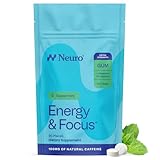
- Fast-Acting Nootropic - Our energy supplements deliver an extra boost of energy and clarity with a blend of natural caffeine, L-theanine, and vitamin b6 & b12. Your go-to chewing gum for work, exercise, and daily focus!
- Clean Energy - Each piece of our sugar free gum delivers 100mg of natural caffeine from green coffee beans for a smooth energy boost without crashes or jitters.
- The Perfect Balance - With 60mg of L-theanine per piece, our energy and focus formula promotes enhanced focus and stress reduction to smooth energy boosts.
- How to Use - Chew one piece of the caffeine gum whenever focus or energy is lacking. Ideal for mornings, pre-workout, or afternoon slumps. Effects typically kick in within minutes thanks to optimal absorption through the mouth.
- Made by Neuro, Backed by Science - At Neuro, we combine neuroscience with clean, science backed ingredients to help you do more, think better, and feel your best every single day.
How Espresso Brewing Works
- Finely ground coffee is packed tightly into a portafilter basket.
- Hot water, typically between 195°F and 205°F, is heated to the precise temperature.
- A pump forces this hot water through the coffee grounds at high pressure, usually around 9 bars.
- This high-pressure extraction is very efficient, pulling out soluble compounds, including caffeine, quickly.
- The process is rapid, typically lasting only 20-30 seconds per shot.
- The result is a small, concentrated shot of coffee with a characteristic crema on top.
- This intense extraction method is key to espresso’s unique flavor and texture.
What Affects Caffeine in Your Coffee
- Bean Type: Robusta beans contain nearly twice the caffeine of Arabica beans. Many espresso blends use a mix, while most drip coffee focuses on Arabica.
- Roast Level: Lighter roasts tend to retain slightly more caffeine by weight than darker roasts, as some caffeine is lost during longer roasting times.
- Grind Size: Finer grinds, like those used for espresso, allow for more efficient caffeine extraction in a shorter time.
- Water Temperature: Optimal brewing temperatures (around 195°F to 205°F) are crucial for extracting caffeine effectively. Too cool, and extraction is poor; too hot, and undesirable compounds can be extracted.
- Brewing Time: Longer contact times between water and coffee grounds generally result in more caffeine extracted. This is why drip coffee can have more total caffeine than a quick espresso shot.
- Water-to-Coffee Ratio: A higher coffee-to-water ratio (more coffee grounds for the same amount of water) will result in a more concentrated beverage, potentially with more caffeine per ounce.
- Pressure: The high pressure used in espresso machines significantly increases the rate of caffeine extraction compared to atmospheric pressure brewing methods.
- Serving Size: A standard 12-ounce cup of drip coffee will naturally contain more total caffeine than a 1-ounce shot of espresso, even if the espresso is more concentrated.
- Freshness of Beans: While freshness impacts flavor more dramatically, older beans might have slightly less volatile compounds, though the caffeine content itself is quite stable.
- Extraction Yield: The percentage of soluble material extracted from the coffee grounds. A higher yield generally means more caffeine has been transferred into the brew.
Espresso vs. Black Coffee: Pros, Cons, and When It Matters
- Espresso – Pro: High caffeine concentration per ounce, leading to a quick jolt.
- Con: Small serving size means less total caffeine than a typical cup of black coffee.
- Matters For: Those seeking a rapid energy boost or who prefer a small, intense coffee experience.
- Black Coffee – Pro: Larger serving size typically delivers more total caffeine, providing sustained energy.
- Con: Lower caffeine concentration per ounce, so the “hit” might feel less immediate.
- Matters For: Individuals needing energy for extended periods or who enjoy a larger, more leisurely coffee drink.
- Espresso – Pro: Rich, complex flavor profile due to intense extraction.
- Con: Can be bitter if not brewed correctly.
- Matters For: Coffee enthusiasts who appreciate nuanced flavors and the art of espresso preparation.
- Black Coffee – Pro: Versatile, can be enjoyed in many forms and with various additions.
- Con: Flavor can be less intense or nuanced than espresso depending on the brewing method.
- Matters For: Everyday coffee drinkers who value convenience and a familiar taste.
- Espresso – Pro: Forms the base for many popular coffee drinks (lattes, cappuccinos).
- Con: Requires specialized equipment for home brewing.
- Matters For: Home baristas looking to replicate cafe-style drinks.
- Black Coffee – Pro: Generally easier and cheaper to brew at home with common equipment.
- Con: Can sometimes taste watery if brewed improperly.
- Matters For: Anyone looking for a straightforward, accessible coffee experience.
- Espresso – Caffeine Impact: Delivers caffeine rapidly, potentially causing a faster perceived effect.
- Black Coffee – Caffeine Impact: Delivers caffeine over a longer period due to larger volume and slower extraction.
- Matters For: Understanding how your body responds to different caffeine delivery speeds.
Common Misconceptions
- Myth: Espresso always has more caffeine than black coffee.
- Reality: While espresso is more concentrated, a standard 12oz cup of black coffee usually contains more total caffeine than a single 1oz espresso shot.
- Myth: Darker roasts have more caffeine.
- Reality: Lighter roasts generally retain slightly more caffeine by weight. The difference is usually small.
- Myth: Cold brew coffee has less caffeine because it’s cold.
- Reality: Cold brew typically uses a higher coffee-to-water ratio and a longer steep time, often resulting in more total caffeine than hot drip coffee.
- Myth: The crema on espresso is a sign of high caffeine.
- Reality: Crema is a result of oils and CO2 emulsifying under pressure, contributing to flavor and texture, not directly indicating caffeine levels.
- Myth: You can “burn off” caffeine by exercising immediately after drinking coffee.
- Reality: Caffeine’s effects are primarily neurological; exercise can affect how you perceive its energy boost, but it doesn’t metabolize caffeine faster.
- Myth: All coffee beans are the same regarding caffeine.
- Reality: Robusta beans can have nearly double the caffeine of Arabica beans, and blends vary widely.
- Myth: Adding milk or sugar reduces caffeine.
- Reality: These additions change the flavor and perceived effect but do not alter the amount of caffeine present.
- Myth: Coffee’s caffeine effect is solely about the quantity.
- Reality: The speed of absorption, individual tolerance, and other compounds in coffee also influence how you feel caffeinated.
FAQ
- Q: Does espresso make you feel more caffeinated than black coffee?
A: It depends on the serving size. A single shot of espresso has less total caffeine than a typical cup of black coffee, but it’s much more concentrated, so the initial effect can feel stronger.
- Q: How much caffeine is typically in an espresso shot versus a cup of black coffee?
A: A single 1-ounce shot of espresso might contain around 64 mg of caffeine. A standard 8-ounce cup of drip black coffee can have between 80-100 mg, and a 12-ounce cup even more.
- Q: Why does espresso feel like a bigger “kick”?
A: Espresso’s caffeine is delivered in a small, highly concentrated volume. This rapid absorption can lead to a quicker and more intense sensation of alertness.
- Q: Can I drink espresso if I’m sensitive to caffeine?
A: You can, but be mindful of the concentration. A single shot is less total caffeine than a large coffee, but its intensity might be more noticeable. Consider a decaf espresso if needed.
- Q: Does the type of coffee bean affect caffeine levels?
A: Yes, significantly. Robusta beans have much higher caffeine content than Arabica beans. Many espresso blends use a portion of Robusta for body and caffeine.
- Q: Does brewing method matter for caffeine impact?
A: Yes. Espresso uses high pressure for rapid extraction, while drip coffee uses gravity and longer contact time. Cold brew often uses a high coffee-to-water ratio and long steep times, leading to high caffeine.
- Q: If I want sustained energy, should I choose espresso or black coffee?
A: For sustained energy, a larger volume of black coffee is generally a better choice. Its slower release can provide a more even energy boost over a longer period.
What This Page Does NOT Cover (and Where to Go Next)
- Specific caffeine amounts for every single coffee product or brand; consult product packaging or manufacturer websites.
- Detailed health impacts of caffeine consumption; consult a healthcare professional for personalized advice.
- The science of coffee bean cultivation and processing; explore resources on agricultural science and food production.
- Advanced espresso machine maintenance or repair; refer to your machine’s user manual or manufacturer support.
- The history of coffee brewing methods; look into books or articles on culinary history.