
Homemade Rose Syrup For Your Coffee
Quick answer
- Use fresh, food-grade rose petals.
- A 1:1 sugar to water ratio is a solid starting point.
- Gentle simmering is key, don’t boil the roses.
- Strain well to avoid petal bits in your coffee.
- Store in a clean, airtight container in the fridge.
- Adjust sweetness and rose intensity to your taste.
Who this is for
- Coffee lovers looking to add a unique floral note.
- Home cooks who enjoy making their own syrups.
- Anyone wanting a sophisticated twist on their morning brew.
What to check first
Brewer type and filter type
This doesn’t directly affect syrup making, but it’s good practice to know your coffee setup. A clean brewer and the right filter ensure your coffee tastes great after you add the syrup. We’re aiming for a perfect cup, right?
Water quality and temperature
For the syrup itself, use filtered water. Tap water can sometimes have off-flavors that might clash with the delicate rose. You’ll be heating this water, so no need for super-precise temperature control like you would for brewing coffee, but avoid boiling it vigorously for too long.
Grind size and coffee freshness
Again, this is more about the final coffee than the syrup. Freshly roasted beans, ground just before brewing, will provide the best canvas for your rose syrup. Coarse for French press, medium for drip, fine for espresso – you know the drill.
Coffee-to-water ratio
For the syrup, a common ratio is 1:1 for sugar to water. This creates a nice, syrupy consistency. You can adjust this later if you prefer it thinner or thicker. For your coffee, stick to your usual favorite ratio.
Cleanliness/descale status
This is crucial for both your coffee maker and your syrup-making equipment. Any lingering residue or build-up can impart unwanted flavors. Make sure your pots, strainers, and storage bottles are sparkling clean. A clean slate means pure rose flavor.
Step-by-step (brew workflow)
1. Gather your ingredients. You’ll need food-grade rose petals, sugar, and water. I like to use organic, unsprayed roses from my own garden if I can. If not, buy them specifically for culinary use.
- What “good” looks like: Fresh, vibrant petals with a good aroma.
- Common mistake: Using ornamental roses that might have been sprayed. Always confirm they are safe to eat.
For the best flavor and safety, make sure to use food-grade rose petals. You can find high-quality culinary rose petals online.
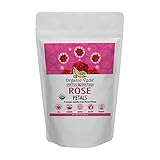
- Lovingly Handpicked: Organic Veda premium gentle dried edible rose petals were sourced from native roses grown in the Western Ghats mountains of Southern India. Dried at low temperatures, they retain superb fragrance & potency
- Pure, Raw & Organic: You'll find no green leaves, fillers, or additives. Our food-grade real rose petals are safe to consume, vegan, Non-GMO & Gluten Free. Perfect for making rose water for cooking, teas, cakes, and toppings
- For Bath & Beauty: Organic dried real roses are brimming with skin-nourishing antioxidants and Vitamin C. Add organic rose petals to bath salts, candles, soap, or body oils, then sit back and bask in the scent. A versatile ingredient for DIY skincare
- Elevates Culinary Creations: Edible red rose petals make great toppings for cakes, floral cocktails, and desserts as it adds a subtle floral twist to any dish. Steep 1-2 tablespoons in boiling water for 10 mins and relax with a cup of rose petal tea
- Crafts, Décor & Potpourri: Adorn bookmarks, scrapbooks, or make natural confetti. Fragrant and fun to touch, a sprinkling of dry real rose petals can be a fantastic finishing touch to any art project as it adds color, texture and fragrance
2. Prepare the rose petals. Gently rinse the petals under cool water and pat them dry. Remove any white bits at the base of the petals, as they can be bitter.
- What “good” looks like: Clean, dry petals ready for infusion.
- Common mistake: Not drying the petals thoroughly, which can dilute the syrup.
3. Combine sugar and water. In a saucepan, combine equal parts sugar and water (e.g., 1 cup sugar, 1 cup water).
- What “good” looks like: Sugar crystals are dissolving.
- Common mistake: Adding the roses too early. Let the sugar fully dissolve first.
4. Heat the sugar-water mixture. Gently heat over medium-low heat, stirring until the sugar is completely dissolved. Don’t let it boil vigorously at this stage.
- What “good” looks like: A clear, syrupy liquid.
- Common mistake: Boiling the sugar water too hard, which can lead to crystallization later.
5. Add the rose petals. Once the sugar is dissolved and the mixture is warm (not boiling), add your prepared rose petals to the saucepan.
- What “good” looks like: The petals are submerged in the warm syrup.
- Common mistake: Overcrowding the pot with too many petals. They need room to infuse.
6. Simmer gently. Reduce the heat to low and let the mixture simmer very gently for about 15-20 minutes. You want to infuse the rose flavor, not cook the petals.
- What “good” looks like: A subtle aroma of roses is developing.
- Common mistake: Boiling the syrup, which can cook out the delicate floral notes and make the syrup bitter.
7. Let it steep. Remove the saucepan from the heat and let the petals steep in the syrup for another 30 minutes to an hour. This allows the flavor to deepen.
- What “good” looks like: The syrup has taken on a slight pinkish hue and a stronger rose scent.
- Common mistake: Not letting it steep long enough, resulting in a weak rose flavor.
8. Strain the syrup. Pour the syrup through a fine-mesh sieve lined with cheesecloth into a clean bowl or pitcher. Press gently on the petals to extract all the liquid.
- What “good” looks like: A clear, fragrant syrup with no petal fragments.
- Common mistake: Not straining thoroughly, leaving bits of petals in your syrup. Nobody wants floaties in their coffee.
9. Cool the syrup. Let the syrup cool completely in the bowl.
- What “good” looks like: The syrup has thickened slightly as it cools.
- Common mistake: Pouring hot syrup into a storage container, which can affect its shelf life and the container’s integrity.
10. Bottle and store. Pour the cooled syrup into a clean, airtight bottle or jar. Store it in the refrigerator.
- What “good” looks like: A well-sealed container ready for the fridge.
- Common mistake: Using a container that isn’t airtight, leading to spoilage.
Common mistakes (and what happens if you ignore them)
| Mistake | What it causes | Fix |
|---|---|---|
| Using non-food-grade rose petals | Potential pesticide residue or unpleasant taste; could be toxic. | Always use roses confirmed to be food-grade and unsprayed. |
| Boiling the syrup vigorously | Burns the delicate rose flavor, can make it bitter or metallic. | Simmer gently on low heat; avoid rolling boils. |
| Not dissolving sugar completely | Gritty syrup, potential crystallization over time. | Stir constantly until all sugar crystals disappear before adding roses. |
| Overcrowding the pot with petals | Uneven infusion, weaker flavor overall. | Use enough petals for good flavor, but don’t pack them in so tight they can’t release their essence. |
| Insufficient steeping time | Weak, watery rose flavor that gets lost in the coffee. | Allow ample time for the petals to infuse their flavor into the syrup. |
| Poor straining | Gritty texture, bits of petals in your coffee. | Use a fine-mesh sieve, potentially lined with cheesecloth, and press gently to extract all liquid. |
| Storing in a non-airtight container | Syrup can spoil faster, absorb fridge odors. | Use a clean, tightly sealing bottle or jar. |
| Using too many roses for the liquid | Can make the syrup taste “soapy” or overly perfumed. | Start with a moderate amount of petals; you can always add more in the next batch if needed. |
| Not letting syrup cool before bottling | Can affect shelf life and potentially damage the storage container. | Allow syrup to reach room temperature before transferring to its final storage vessel. |
| Adding citrus or other strong flavors | Can overpower or clash with the subtle rose notes. | Keep it simple for the first batch; add other flavors in future experiments if you like. |
Decision rules (simple if/then)
- If your rose petals look dull or wilted, then don’t use them because they won’t have much flavor.
- If you can’t find food-grade roses, then consider starting with rose water and adjusting sweetness because it’s a safer alternative.
- If your syrup tastes too weak after steeping, then let it steep longer or consider adding a few more petals in the next batch because more infusion time equals more flavor.
- If your syrup is too thick, then add a tablespoon of hot water and stir until it reaches your desired consistency because you can always thin it out.
- If your syrup is too thin, then simmer it gently for a few more minutes to reduce it slightly because evaporation will thicken it.
- If you notice crystallization in your sugar mixture, then you likely boiled it too hard or didn’t dissolve it fully, so try again with gentler heat.
- If you want a stronger rose flavor, then increase the ratio of rose petals to sugar and water in your next batch because more material means more infusion potential.
- If you’re unsure about the sweetness, then taste a tiny bit before it cools completely because it’s easier to adjust while warm.
- If you want to add a hint of tartness, then add a tiny squeeze of lemon juice after straining and cooling, because it can brighten the floral notes without overpowering them.
- If your syrup has a slightly bitter edge, then you might have used too much of the white base of the rose petals, so be sure to trim those off next time.
FAQ
What kind of roses can I use?
Only use roses that are specifically labeled as food-grade and are organic or unsprayed. Ornamental roses in gardens or florists’ shops may be treated with chemicals that are not safe for consumption.
How long does homemade rose syrup last?
When stored properly in an airtight container in the refrigerator, your rose syrup should last for about 2-3 weeks. Always check for any signs of spoilage before using.
Can I use dried rose petals?
Yes, you can use dried culinary rose petals, but you’ll likely need to use more of them compared to fresh ones to achieve a comparable flavor intensity. Start with a smaller amount and adjust as needed.
My syrup doesn’t taste very rosey. What did I do wrong?
This usually means the roses didn’t infuse long enough, or you didn’t use enough petals. Try steeping for longer, or consider using more petals in your next batch. Gentle heat is key; don’t boil them away.
Can I make this syrup sugar-free?
You could experiment with sugar substitutes like erythritol or stevia, but the texture and shelf life might be different. You’ll need to research specific ratios for those sweeteners.
How much syrup should I use in my coffee?
Start with 1-2 tablespoons per 8-12 oz cup of coffee. Taste and adjust based on your preference. It’s potent stuff, so a little goes a long way.
Does the color of the syrup matter?
The color will depend on the type and color of rose petals you use. Some will give a pale pink, others a deeper hue. The flavor is more important than the exact shade.
Can I add other flavors to the syrup?
Absolutely! A tiny bit of vanilla extract or a squeeze of lemon can complement the rose flavor. Add these after straining and cooling for the best results.
What this page does NOT cover (and where to go next)
- Detailed chemical analysis of rose essential oils.
- Industrial-scale rose syrup production methods.
- Specific brand recommendations for roses or brewing equipment.
- Advanced syrup techniques like invert sugar or creating sugar-free alternatives.
- Pairing rose syrup with specific coffee roast profiles (though that’s a fun experiment!).