
Flavor Your Iced Coffee With Syrup
Quick answer
- Use good quality coffee. Cold brew or strong hot coffee works best.
- Chill your coffee before adding ice. This stops it from getting watery.
- Start with a moderate amount of syrup. You can always add more.
- Stir well. Make sure that syrup gets mixed in.
- Taste and adjust. Find your sweet spot.
- Try different syrup flavors. Vanilla, caramel, and hazelnut are classic starters.
- Consider simple syrup. It dissolves better than granulated sugar.
Who this is for
- You’re craving a sweet, refreshing coffee drink at home.
- You want to move beyond plain iced coffee and explore new flavors.
- You’re looking for easy ways to elevate your morning or afternoon pick-me-up.
What to check first
Brewer type and filter type
Your coffee maker setup matters. A French press gives a full-bodied brew, great for iced coffee. A pour-over can highlight brighter notes. Drip machines are convenient. Paper filters catch more oils, leading to a cleaner taste. Metal or cloth filters let more oils through, adding richness. For iced coffee, a robust base flavor is usually key.
If you’re looking to make iced coffee regularly, consider investing in a dedicated iced coffee maker for optimal results and convenience.

- BREW BY THE CUP OR CARAFE: Brews both K-Cup pods and coffee grounds.
- MULTISTREAM TECHNOLOGY: Saturates the grounds evenly to extract full flavor and aroma in every cup, hot or cold.
- BREW OVER ICE: Adjusts temperature for maximum flavor and less ice melt for single-cup iced coffees and teas.
- STRONG BREW & EXTRA HOT FUNCTIONALITY: Brews a stronger, more intense-flavored cup and the extra hot feature brews a hotter single cup.
- MULTIPLE BREW SIZES: Brew 6, 8, 10, or 12oz single cups or 6, 8, 10, or 12-cup carafes. 12-cup glass carafe specially designed to limit dripping.
Water quality and temperature
Water is 98% of your coffee. If your tap water tastes off, your coffee will too. Filtered water is your friend here. For brewing hot coffee that you’ll chill, aim for water around 195-205°F. For cold brew, it’s room temperature water, steeping for 12-24 hours. Don’t overthink it, but good water is foundational.
Grind size and coffee freshness
Freshly ground beans are a game-changer. Pre-ground coffee loses flavor fast. For iced coffee, a medium to coarse grind often works well for hot brewing methods that you’ll chill quickly. Cold brew typically needs a coarse grind. Coffee freshness is about when it was roasted. Aim for beans roasted within the last month, ideally.
Coffee-to-water ratio
This is your strength control. Too little coffee, and it’ll be weak. Too much, and it might be bitter. A good starting point for hot brewing is about 1:15 to 1:18 (coffee to water by weight). For cold brew, it can be closer to 1:4 to 1:8. You want a concentrate that can stand up to ice.
Cleanliness/descale status
Nobody wants coffee that tastes like old coffee. Residue builds up. Regularly clean your brewer, carafe, and grinder. Descale your machine if it’s an automatic drip or espresso maker. A clean machine makes clean-tasting coffee. It’s that simple.
Step-by-step (brew workflow)
1. Choose your coffee beans.
- What to do: Select whole beans you enjoy. Medium or dark roasts often lend themselves well to iced coffee.
- What “good” looks like: Beans that smell fresh and inviting.
- Common mistake: Using stale or low-quality beans. This will make any syrup taste worse. Avoid it by buying fresh.
2. Grind your coffee beans.
- What to do: Grind just before brewing. Aim for a medium-coarse grind for most methods you plan to chill.
- What “good” looks like: Evenly sized grounds.
- Common mistake: Grinding too fine, which can lead to over-extraction and bitterness, especially when chilled. Use a burr grinder for consistency.
For the freshest flavor, a good quality coffee bean grinder is essential; freshly ground beans make a noticeable difference in your iced coffee.
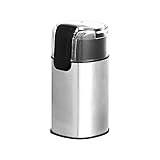
- Electric coffee bean grinder appliance for home use
- Can grind 30 grams/1 ounce of beans for drip coffee brewing in 10 seconds
- Grind coffee beans, herbs, spices, grains, nuts, and more
- Clear safety lid allows you to easily see the results in progress
- Heavy-duty stainless steel grind blade
3. Prepare your brewing equipment.
- What to do: Ensure your brewer and any filters are clean.
- What “good” looks like: No lingering coffee smells or visible residue.
- Common mistake: Using dirty equipment. This imparts off-flavors that syrup can’t mask.
4. Heat your water (if hot brewing).
- What to do: Heat filtered water to 195-205°F.
- What “good” looks like: Water at the right temperature, not boiling.
- Common mistake: Using boiling water, which can scorch the coffee grounds and create bitterness.
5. Brew your coffee.
- What to do: Use your preferred method (drip, pour-over, French press) with your desired coffee-to-water ratio. Aim for a slightly stronger brew than usual.
- What “good” looks like: A flavorful, well-extracted coffee.
- Common mistake: Brewing too weak. The ice will dilute it, leaving you with watery disappointment.
6. Chill your brewed coffee.
- What to do: Let the hot coffee cool to room temperature, then refrigerate until cold. Alternatively, make cold brew overnight.
- What “good” looks like: Chilled coffee, ready to be poured over ice.
- Common mistake: Pouring hot coffee directly over ice. This melts the ice too quickly and dilutes your drink significantly.
7. Prepare your serving glass.
- What to do: Fill a tall glass generously with ice.
- What “good” looks like: A glass packed with ice cubes.
- Common mistake: Not using enough ice. Your drink won’t stay cold and will get watery fast.
8. Add your syrup.
- What to do: Start with 1-2 tablespoons of your chosen syrup per serving. You can always add more.
- What “good” looks like: Syrup added to the bottom of the glass or directly into the coffee.
- Common mistake: Adding too much syrup initially. It’s easier to add more than to fix an overly sweet drink.
9. Pour in the chilled coffee.
- What to do: Pour your chilled, strong coffee over the ice.
- What “good” looks like: Coffee filling the glass, ready for mixing.
- Common mistake: Pouring too quickly, which can cause splashing.
10. Stir thoroughly.
- What to do: Use a long spoon to stir until the syrup is fully incorporated.
- What “good” looks like: No syrup pooling at the bottom.
- Common mistake: Not stirring enough. You’ll end up with syrupy sips followed by bland ones.
11. Taste and adjust.
- What to do: Take a sip. Add more syrup if needed, or a splash of milk or cream.
- What “good” looks like: A perfectly balanced, delicious iced coffee.
- Common mistake: Settling for a drink that’s not quite right. Don’t be afraid to tweak it.
Common mistakes (and what happens if you ignore them)
| Mistake | What it causes | Fix |
|---|---|---|
| Using stale coffee beans | Flat, dull, or bitter taste | Use freshly roasted, whole beans and grind just before brewing. |
| Grinding too fine for hot brew | Over-extraction, bitterness, muddy coffee | Use a medium-coarse grind. Check your grinder settings. |
| Using dirty brewing equipment | Off-flavors, rancid taste | Clean your brewer, carafe, and grinder regularly. |
| Brewing coffee too weak | Watery, unappetizing iced coffee | Brew stronger coffee (more grounds or less water). |
| Pouring hot coffee over ice | Rapid melting, significantly diluted flavor | Chill coffee completely before serving over ice. |
| Not using enough ice | Drink warms up too fast, becomes watery | Fill your glass to the brim with ice. |
| Not stirring syrup adequately | Uneven sweetness, syrupy pockets | Stir vigorously until fully mixed. |
| Adding too much syrup at once | Overly sweet, cloying drink | Start with less syrup and add more to taste. |
| Using poor quality water | Off-flavors that clash with coffee and syrup | Filter your water or use bottled spring water. |
| Not letting cold brew steep long enough | Weak, underdeveloped flavor | Steep for 12-24 hours, depending on your recipe and grind size. |
| Using a paper filter for cold brew | Can clog easily, slower filtration, less body | Use a coarser grind and a metal filter or cheesecloth for cold brew. |
Decision rules (simple if/then)
- If your iced coffee tastes bitter, then try a coarser grind because fine grinds can over-extract.
- If your iced coffee tastes weak, then brew your coffee stronger next time because ice dilutes the flavor.
- If your iced coffee is too sweet, then use less syrup or add a splash of milk because it’s easier to add than remove sweetness.
- If you want a richer mouthfeel, then use a metal filter or French press because they allow more coffee oils to pass through.
- If you notice off-flavors, then clean your brewing equipment thoroughly because residue can ruin the taste.
- If your syrup isn’t dissolving well, then try simple syrup or a flavored creamer because they mix more easily.
- If you’re short on time, then brew a concentrated batch of coffee and chill it in the fridge for quick iced coffee later.
- If you want to experiment with flavors, then start with classic syrups like vanilla or caramel before trying more adventurous options.
- If your coffee is too acidic for iced coffee, then try a darker roast or a cold brew method because they tend to be less acidic.
- If your iced coffee is still too watery after chilling, then make sure you’re using plenty of ice and a strong coffee base.
- If you want to control sweetness precisely, then make your own simple syrup and add it gradually.
FAQ
What kind of syrup is best for iced coffee?
Vanilla, caramel, and hazelnut are popular choices. You can also use fruit-flavored syrups or even simple syrup if you just want sweetness without added flavor. Experiment to find what you like.
How much syrup should I use?
Start with 1 to 2 tablespoons per 8-12 ounce serving. It’s always better to add more gradually until you reach your desired sweetness. Everyone’s taste is different.
Can I use hot coffee for iced coffee?
Yes, but it’s best to let it cool down first. Pouring hot coffee directly over ice will melt it too quickly, watering down your drink. Chilling it first is key.
What’s the difference between regular syrup and simple syrup for coffee?
Regular syrups often have added flavors and thickeners. Simple syrup is just sugar dissolved in water, offering pure sweetness. Simple syrup dissolves more easily in cold liquids.
How do I make my iced coffee taste less watery?
Brew your coffee stronger than you normally would for hot coffee. Also, make sure you use plenty of ice. Chilling the coffee before pouring it over ice helps a lot too.
Can I use flavored creamers instead of syrup?
Absolutely. Flavored creamers add both sweetness and creaminess, simplifying the process. They can be a great shortcut for a flavorful iced coffee.
What if I don’t have time to brew and chill coffee?
You can brew a strong batch of coffee, let it cool slightly, then pour it over ice with syrup. It won’t be as intensely cold or strong as fully chilled coffee, but it’s a quick fix.
How should I store leftover iced coffee?
Store it in an airtight container in the refrigerator. It’s best consumed within a day or two for optimal flavor.
What this page does NOT cover (and where to go next)
- Specific brand recommendations for coffee beans or syrups.
- Detailed recipes for making your own flavored syrups from scratch.
- Advanced brewing techniques like espresso-based iced drinks (e.g., iced lattes, affogatos).
- Nutritional information for different syrups and sweeteners.
- How to create latte art on iced coffee drinks.