
Homemade Coffee Creamer With Flavored Syrup and Nonfat Milk
Quick answer
- Yes, you can make coffee creamer using flavored syrup and nonfat milk.
- Combine nonfat milk with your favorite flavored syrup in a 1:1 ratio for a simple creamer.
- For a richer texture, consider adding a small amount of heavy cream or half-and-half.
- Sweetness can be adjusted by adding more or less syrup, or a touch of sugar.
- Store homemade creamer in an airtight container in the refrigerator for up to one week.
- Experiment with different syrup flavors to find your perfect blend.
Who this is for
- Coffee drinkers who want to customize their beverages at home.
- Individuals looking for a dairy-based creamer alternative to store-bought options.
- Those who want to control the sweetness and flavor intensity of their coffee.
What to check first
Brewer type and filter type
The type of coffee brewer and filter used significantly impacts the final coffee flavor, which in turn affects how well your homemade creamer complements it.
- Brewer Type: Whether you use a drip machine, French press, pour-over, or espresso maker, each method extracts different compounds from the coffee grounds. A stronger brew might need a less intensely flavored creamer, while a milder brew can handle more robust flavors.
- Filter Type: Paper filters trap more oils, leading to a cleaner cup, while metal or cloth filters allow more oils through, resulting in a richer, fuller-bodied coffee. Consider how these oils might interact with the fat content (or lack thereof) in your creamer.
Water quality and temperature
Water is the primary ingredient in coffee, and its quality and temperature are paramount for a good brew.
- Water Quality: If your tap water has a strong taste or odor, it will transfer to your coffee and affect the overall flavor profile, potentially clashing with your creamer. Using filtered water is often recommended for the best taste.
- Water Temperature: For most brewing methods, the ideal water temperature is between 195°F and 205°F. Water that is too cool will result in under-extraction and a weak, sour coffee, while water that is too hot can scorch the grounds, leading to a bitter taste.
Grind size and coffee freshness
The grind size of your coffee beans and their freshness are critical for optimal flavor extraction.
- Grind Size: The correct grind size depends on your brewing method. Coarse grinds are for French press, medium for drip, and fine for espresso. An incorrect grind can lead to over- or under-extraction.
- Coffee Freshness: Freshly roasted and ground coffee offers the most vibrant flavor. Pre-ground coffee loses its aromatics and flavor compounds quickly. Ideally, grind your beans just before brewing.
Coffee-to-water ratio
The ratio of coffee grounds to water directly influences the strength and flavor of your brewed coffee.
- Ratio: A common starting point is a ratio of 1:15 to 1:18 (coffee to water by weight). For example, 2 tablespoons of coffee for every 6 oz of water. Adjusting this ratio can make your coffee stronger or weaker, which will impact how your creamer is perceived.
Cleanliness/descale status
A clean coffee maker is essential for pure coffee flavor.
- Cleanliness: Coffee oils and mineral deposits can build up in your brewer over time, imparting stale or bitter flavors to your coffee. Regular cleaning, including descaling, is crucial. Check your brewer’s manual for specific cleaning instructions.
Step-by-step (brew workflow)
1. Select Your Nonfat Milk: Choose a good quality nonfat milk. This will form the base of your creamer.
- What “good” looks like: The milk should be fresh and free from any off-odors or flavors.
- Common mistake: Using milk that is close to its expiration date or has been left out too long.
- How to avoid: Always check the expiration date and smell the milk before using it.
Start with a good quality nonfat milk for your creamer base; this option is a reliable choice for a fresh, neutral flavor.

- One 64 oz half gallon carton of Organic Valley Ultra Pasteurized Organic Fat Free Milk
- Ultra pasteurized milk with 8 grams of protein and 30% of the recommended daily value of calcium
- Fat free skim milk with delicious, pasture raised flavor from small family farms
- Enjoy this non fat organic milk over cereal, in smoothies and milkshakes, or in a glass all on its own
- USDA Certified Organic - we never use GMOs, antibiotics, synthetic hormones or toxic pesticides
2. Choose Your Flavored Syrup: Select a flavored syrup you enjoy. Popular options include vanilla, caramel, hazelnut, or chocolate.
- What “good” looks like: The syrup should have a pleasant aroma and the flavor you expect.
- Common mistake: Using syrups that are overly artificial tasting or have a cloying sweetness.
- How to avoid: Opt for high-quality syrups, or consider making your own simple syrup infused with natural flavors.
When choosing your flavored syrup, consider a high-quality option like this one to ensure a pleasant aroma and authentic taste.
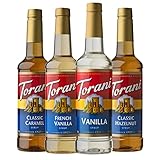
- Coffee Flavor Variety Pack: Perfect for making your own flavored lattes, mochas, cappuccinos and more, this variety pack includes 1 bottle of each: Caramel, French Vanilla, Vanilla and Hazelnut
- Flavoring Syrups: Made with pure cane sugar, natural flavors and cold-filtered water, Torani Original Syrups provide gold-standard flavors and vibrant colors to create amazing drink experiences
- Authentic Coffeehouse Flavor: From caramel to French vanilla to hazelnut—and everything in between—our syrups and sauces are here to help you create tantalizing lattes, cappuccinos, cold brews and frappes
- Find Your Recipe: We are here to help you create tantalizing drinks for every taste, occasion, and mood; Mix up some magic with caramel, lavender, pumpkin pie, hazelnut, chocolate, and many more flavors
- Flavor For All: Discover how Torani can help you make truly creative flavored teas, lemonades, smoothies, milkshakes, Italian sodas, coffees, cocktails, mocktails, snow cones, sparkling waters and more
3. Determine Your Ratio: A good starting point is a 1:1 ratio of nonfat milk to flavored syrup.
- What “good” looks like: An even blend that coats the back of a spoon without being too thick or too thin.
- Common mistake: Adding too much syrup, making the creamer excessively sweet and overpowering the coffee.
- How to avoid: Start with a smaller amount of syrup and gradually add more to reach your desired sweetness and flavor intensity.
4. Combine Ingredients: Pour the nonfat milk and flavored syrup into a clean container or pitcher.
- What “good” looks like: The liquids combine smoothly.
- Common mistake: Not using a clean container, which can introduce unwanted flavors.
- How to avoid: Ensure your container is thoroughly washed and dried before use.
5. Mix Thoroughly: Stir or whisk the mixture until it is well combined and uniform in color and consistency.
- What “good” looks like: No distinct layers of milk or syrup; a homogenous liquid.
- Common mistake: Insufficient mixing, leading to pockets of concentrated syrup in your coffee.
- How to avoid: Stir for at least 30 seconds, or use a small whisk to ensure complete integration.
6. Taste and Adjust: Take a small sip to check the flavor and sweetness.
- What “good” looks like: The flavor is balanced and to your liking.
- Common mistake: Not tasting, and ending up with a creamer that is too sweet, not sweet enough, or has an unbalanced flavor.
- How to avoid: Taste frequently during the adjustment phase.
7. Add Sweetener (Optional): If you prefer it sweeter, add a small amount of sugar, honey, or another sweetener.
- What “good” looks like: The added sweetener dissolves completely and achieves the desired sweetness.
- Common mistake: Adding too much sweetener at once, making the creamer overly sweet.
- How to avoid: Add sweeteners gradually and stir well to ensure they dissolve.
8. Add Creaminess (Optional): For a richer texture, you can add a small amount of heavy cream or half-and-half.
- What “good” looks like: A slightly thicker, more luxurious mouthfeel.
- Common mistake: Adding too much fat, which can make the creamer heavy or cause it to separate in hot coffee.
- How to avoid: Start with just a tablespoon or two and see how it affects the texture.
9. Store Properly: Pour the finished creamer into an airtight container, such as a mason jar or a dedicated creamer bottle.
- What “good” looks like: The container seals tightly to prevent contamination and spoilage.
- Common mistake: Using a container that is not airtight, leading to faster spoilage and potential absorption of refrigerator odors.
- How to avoid: Use a container with a secure lid.
10. Refrigerate: Keep the creamer in the refrigerator.
- What “good” looks like: The creamer remains cold and fresh.
- Common mistake: Leaving the creamer at room temperature for extended periods, which promotes bacterial growth.
- How to avoid: Always return the creamer to the refrigerator immediately after use.
11. Shake or Stir Before Use: Before each use, give the creamer a good shake or stir.
- What “good” looks like: The ingredients are fully reintegrated.
- Common mistake: Not shaking or stirring, resulting in a watery liquid with concentrated syrup at the bottom.
- How to avoid: A quick shake or stir will ensure an even flavor in your coffee.
12. Add to Coffee: Pour your desired amount of homemade creamer into your freshly brewed coffee.
- What “good” looks like: The creamer blends seamlessly with your coffee, enhancing its flavor without overpowering it.
- Common mistake: Adding too much creamer, which can dilute the coffee flavor or make it too sweet.
- How to avoid: Start with a small amount and add more until you achieve your preferred balance.
Common mistakes (and what happens if you ignore them)
| Mistake | What it causes | Fix |
|---|---|---|
| Using stale or expired nonfat milk | Off-flavors in the creamer, sourness, or potential spoilage. | Always check the expiration date and smell the milk before using. |
| Using low-quality or artificial syrups | An unpleasant, overly sweet, or chemical taste in your creamer and coffee. | Invest in good quality flavored syrups or consider making your own infusions. |
| Incorrect syrup-to-milk ratio (too much) | Overly sweet coffee that masks the coffee’s natural flavors and can be cloying. | Start with a 1:1 ratio and adjust gradually. Taste frequently. |
| Incorrect syrup-to-milk ratio (too little) | The creamer’s flavor is too subtle or undetectable, failing to add the desired nuance to your coffee. | Add more syrup incrementally until the desired flavor strength is achieved. |
| Insufficient mixing | Streaky coffee with concentrated syrup at the bottom, leading to inconsistent sweetness and flavor. | Stir or whisk vigorously for at least 30 seconds to ensure all components are fully integrated. |
| Not storing in an airtight container | The creamer can absorb odors from the refrigerator, spoil faster, and potentially become contaminated. | Use a sealed container like a mason jar or a bottle with a tight-fitting lid. |
| Leaving creamer at room temperature | Rapid bacterial growth, leading to spoilage and potential health risks. | Always return the creamer to the refrigerator immediately after use. |
| Forgetting to shake/stir before pouring | Inconsistent flavor in coffee, with watery liquid followed by a concentrated syrup layer. | Shake or stir the creamer well before each use to ensure an even distribution of ingredients. |
| Adding creamer to very hot coffee too quickly | In some cases, especially with nonfat milk and certain syrup ingredients, it can cause a slight separation or curdling effect. | Allow your coffee to cool slightly before adding creamer, or stir gently as you pour. |
| Using old or dirty brewing equipment | The coffee itself will taste off, making it difficult to judge the effectiveness of your homemade creamer. | Ensure your coffee maker, filters, and any other brewing accessories are clean and free of residue. |
Decision rules (simple if/then)
- If your coffee tastes too bitter, then reduce the amount of flavored syrup in your creamer because excessive sweetness can sometimes accentuate bitterness.
- If your coffee tastes too weak after adding creamer, then increase the ratio of syrup to milk in your next batch of creamer because the flavor of the creamer might be too diluted.
- If you want a richer, creamier texture, then add a small amount of half-and-half or heavy cream to the nonfat milk and syrup mixture because these dairy products contain more fat.
- If your creamer seems to separate in your coffee, then try allowing your coffee to cool for a minute before adding the creamer, or stir the creamer more thoroughly before pouring because this can help with emulsification.
- If you notice an off-flavor in your creamer, then check the freshness of your nonfat milk and the quality of your syrup because these are the primary flavor components.
- If you want to control the sugar content precisely, then use a sugar-free flavored syrup or make your own simple syrup with a sugar substitute because this allows for better sweetness management.
- If you are sensitive to dairy, then consider using a non-dairy milk alternative like almond or oat milk with a compatible flavored syrup because this can still yield a flavorful creamer.
- If your homemade creamer spoils quickly, then ensure it is stored in a truly airtight container and kept consistently cold in the refrigerator because air exposure and temperature fluctuations accelerate spoilage.
- If you are experimenting with new syrup flavors, then start with a smaller batch of creamer to test the flavor profile because this minimizes waste if the combination isn’t to your liking.
- If your coffee has a very strong natural flavor (e.g., dark roast espresso), then you might need a slightly more potent creamer to balance it, so consider a higher syrup-to-milk ratio.
- If you prefer a less sweet but still flavored coffee, then use a lower syrup-to-milk ratio or opt for syrups with more complex flavor profiles that don’t rely solely on sweetness.
FAQ
Can I use sweetened condensed milk instead of nonfat milk?
Yes, you can use sweetened condensed milk, but it will significantly increase the sweetness and richness of your creamer. You’ll likely need to adjust or omit the flavored syrup accordingly.
How long does homemade coffee creamer last?
Homemade coffee creamer made with nonfat milk and flavored syrup typically lasts about 5-7 days when stored properly in an airtight container in the refrigerator. Always check for any signs of spoilage before use.
Can I make a dairy-free version?
Absolutely. You can substitute nonfat milk with unsweetened plant-based milks like almond, soy, oat, or cashew milk. Ensure your flavored syrup is also dairy-free.
What if my creamer tastes too watery?
If your creamer is too watery, you can increase the ratio of flavored syrup to milk in your next batch. Alternatively, for a thicker consistency, you could add a small amount of a thickening agent like xanthan gum (use sparingly) or a bit of heavy cream if you’re not aiming for strictly nonfat.
Can I add spices or extracts to my creamer?
Yes, you can enhance your creamer by adding complementary spices like cinnamon or nutmeg, or extracts like vanilla or almond extract. Add them in small amounts and taste as you go.
Is it cheaper to make my own creamer?
Generally, yes, it can be cheaper to make your own creamer, especially if you use basic ingredients like milk and readily available syrups. Store-bought specialty creamers can be quite expensive.
What happens if I use whole milk instead of nonfat?
Using whole milk will result in a richer, creamier creamer due to its higher fat content. The flavor profile will be smoother, but it will also be higher in calories and fat.
Can I use sugar-free flavored syrups?
Yes, you can use sugar-free flavored syrups to create a low-sugar or sugar-free creamer. Be mindful of the taste profile of sugar-free sweeteners, as some can have an aftertaste.
How do I get a thicker creamer without dairy fat?
For a thicker dairy-free creamer, you can experiment with using thicker non-dairy milks like oat milk or cashew milk. You could also explore adding a small amount of a natural thickener like cornstarch (cooked into the milk base) or a tiny pinch of xanthan gum.
What this page does NOT cover (and where to go next)
- Recipes for making flavored syrups from scratch.
- Detailed information on the nutritional breakdown of various milk and syrup combinations.
- How to create whipped coffee creamers or other specialty textures.
- Guidance on using specific coffee brewing equipment for optimal flavor pairing.