
Whipping Up A Milkshake With Coffee Creamer
Quick Answer
- Yes, you can use coffee creamer as a milk substitute in milkshakes.
- It adds sweetness and flavor, but the texture might be different.
- Consider the flavor of your creamer – vanilla or sweet cream work best.
- You’ll likely need less sugar because creamers are already sweet.
- It’s a fun experiment for a quick treat.
- Be aware of the ingredients; some creamers are more processed than milk.
Who This Is For
- Anyone craving a milkshake but out of milk.
- Adventurous home cooks looking to experiment with ingredients.
- Folks who enjoy the flavors of coffee creamers and want to incorporate them differently.
What to Check First
This isn’t about brewing coffee, but if you’re thinking about what you’re using, it’s good practice to know your ingredients.
- Coffee Creamer Type: What flavor is it? Is it a liquid or powder? Liquid creamers are generally easier to substitute directly for milk. Powdered versions might need dissolving first. Vanilla, sweet cream, or even hazelnut can work. Fruity or heavily spiced creamers might create… interesting flavor combinations.
- Sweetness Level: Most coffee creamers are pre-sweetened. Taste a little bit. You’ll probably need to cut back on any added sugar in your milkshake recipe. This is key.
- Fat Content/Ingredients: Coffee creamers vary. Some are dairy-based, others are oil-based. This can affect the richness and mouthfeel of your milkshake. Check the label if you have specific dietary needs or preferences.
- Consistency: How thick is the creamer? If it’s very thin, you might need to add a thickener like ice cream or a bit of xanthan gum. If it’s already quite rich, you might get a thicker shake naturally.
Step-by-Step: Making a Milkshake with Coffee Creamer
Let’s get this done. It’s pretty straightforward.
1. Gather Your Ingredients: Grab your ice cream (vanilla is a safe bet), your chosen coffee creamer, any flavorings (like chocolate syrup or fruit), and your blender.
- Good Looks Like: Everything is within reach. No frantic searching for the blender lid mid-shake.
- Common Mistake: Forgetting the ice cream! The creamer alone won’t make a milkshake.
- Avoid It: Lay it all out before you start.
2. Measure Your Ice Cream: Start with your base. A good starting point is about 2 cups of ice cream.
- Good Looks Like: A solid scoop or two in the blender.
- Common Mistake: Overfilling the blender. This makes for a messy cleanup.
- Avoid It: Fill the blender about halfway to two-thirds full with ice cream.
3. Add Your Coffee Creamer: This is where the magic happens. Start with about 1/2 cup of liquid coffee creamer. You can always add more.
- Good Looks Like: The creamer is drizzled over the ice cream.
- Common Mistake: Adding way too much creamer at once. This can make the shake too thin.
- Avoid It: Start conservative. You can always thin it out later.
4. Add Flavorings (Optional): If you’re making a chocolate shake, add chocolate syrup. If you want fruit, toss in some berries.
- Good Looks Like: Your desired flavor additions are in the blender.
- Common Mistake: Adding too many competing flavors. Keep it simple for your first try.
- Avoid It: Stick to one or two complementary flavors.
5. Blend on Low: Secure the lid. Start blending on the lowest setting.
- Good Looks Like: The ingredients are just starting to combine.
- Common Mistake: Blasting it on high immediately. This can splash ingredients everywhere.
- Avoid It: Always start low and increase speed as needed.
6. Increase Speed and Blend: Gradually increase the blender speed until the mixture is smooth and creamy.
- Good Looks Like: A thick, homogenous milkshake. No chunks of ice cream remain.
- Common Mistake: Under-blending. You’ll end up with icy bits.
- Avoid It: Blend until you can’t see distinct ice cream pieces anymore.
7. Check Consistency: Is it too thick? Too thin?
- Good Looks Like: It’s the perfect thickness for your liking.
- Common Mistake: Not checking and serving a shake that’s either impossible to drink or more like soup.
- Avoid It: Pause the blender and check.
8. Adjust Consistency (If Needed):
- Too Thick: Add a tablespoon or two more coffee creamer and blend briefly.
- Too Thin: Add a bit more ice cream (or a few ice cubes, though this can water down flavor) and blend again.
- Good Looks Like: The shake is now at your desired consistency.
- Common Mistake: Adding too much liquid when trying to thin a thick shake, or too much ice cream when trying to thicken a thin one.
- Avoid It: Make small adjustments and blend between each.
9. Taste and Adjust Sweetness: Take a small sip. Does it need more sweetness? Remember, the creamer is already sweet, so you might not need much, if any, extra sugar.
- Good Looks Like: It tastes just right to you.
- Common Mistake: Adding sugar without tasting first, leading to an overly sweet mess.
- Avoid It: Taste before you add more sweetener.
Since most coffee creamers are already sweet, you might not need much, if any, extra sugar. If you do need a touch more sweetness, consider a zero-calorie sweetener to keep things balanced.
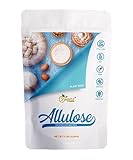
- 【AMAZING TASTE AND CALORIE-FREE】 Allulose is a monosaccharide or simple sugar that naturally exists in some fruits. It closely resembles the flavor of regular sugar but without any unpleasant aftertaste. Allulose is about 70% as sweet as sugar, but contains less than 10% of the calories found in sucrose, making it virtually calorie-free while still providing the natural sweetness of sugar.
- 【GREAT TEXTURE, VOLUME, AND CARAMELIZATION】 Allulose virtually replicates the texture and volume of sugar, while also demonstrating similar caramelization and thickening properties when used in baking and cooking. These exceptional characteristics set allulose apart as an excellent ingredient for achieving desired outcomes in a wide range of culinary applications that align with your healthy lifestyle.
- 【MORE ALLULOSE BLENDS】 Going beyond Allulose, G-Sweetz Allulose sweeteners broaden your options by blending with a variety of intensive sweeteners such as Monk Fruit extract, Stevia Extract, a combination of both, or the classic sucralose. Each sweetener series, derived from Allulose blends, provides a range of sweetness levels from 1X to 20X, ensuring both your sweet tooth and budget are perfectly catered to!
- 【HEALTHY CHOICES】 Upgrade your sweet experience with a sugary-tasting sweetener that's Keto-friendly, containing 0 net carbs. Our allulose is derived from natural ingredients and is free of GMOs, additives, artificial flavors, soy, and gluten. This sweetener is also vegan-friendly, tooth-friendly, and has zero sugar. Enjoy its delicious taste without worrying about any negative side effects.
- 【US QUALITY】 Our products are made and tested in accordance with approved product standards. Our facilities are registered with the FDA and comply with the regulations and licensing requirements of the New Jersey Department of Health and Earth Kosher. For any product inquiries, our US-based live support team is available to assist you.
10. Pour and Serve: Pour your creation into a tall glass. Add a straw and maybe some whipped cream or a cherry.
- Good Looks Like: A beautiful, ready-to-drink milkshake.
- Common Mistake: Letting it sit too long. Milkshakes melt!
- Avoid It: Serve immediately after pouring.
Common Mistakes (and What Happens If You Ignore Them)
| Mistake | What it Causes | Fix |
|---|---|---|
| Using a very strongly flavored creamer | Unpleasant, clashing flavors | Stick to neutral or complementary flavors (vanilla, sweet cream). |
| Adding too much creamer initially | A thin, watery milkshake | Start with less creamer; add more gradually as needed. |
| Not tasting the creamer first | Unexpectedly sweet or bland shake | Always taste your creamer to gauge its sweetness and flavor. |
| Over-blending | A thin, frothy, less icy shake | Blend until just smooth; avoid overdoing it. |
| Under-blending | Icy chunks and uneven texture | Blend until completely smooth and homogenous. |
| Forgetting ice cream | A sweet, flavored drink, but not a milkshake | Ensure you have a good base of ice cream. |
| Adding too much sugar | An overly sweet, syrupy concoction | Use creamer’s sweetness as a guide; add sugar sparingly, if at all. |
| Not adjusting consistency | A shake too thick to drink or too thin to enjoy | Add creamer to thin, ice cream to thicken; blend between adjustments. |
| Using a powdered creamer without dissolving | Gritty texture and uneven flavor distribution | Dissolve powdered creamer in a small amount of liquid first. |
Decision Rules
- If your coffee creamer is a strong, unusual flavor (like pumpkin spice in July), then use it sparingly or choose a different flavor. The goal is a good milkshake, not a science experiment.
- If your milkshake is too thick, then add a tablespoon of coffee creamer at a time and blend briefly because you can always thin it out.
- If your milkshake is too thin, then add a small scoop of ice cream and blend again because ice cream is the primary thickener.
- If you want a chocolate milkshake, then use chocolate syrup or cocoa powder in addition to your creamer, because the creamer likely won’t provide enough chocolate flavor on its own.
- If your creamer is very low in fat, then your milkshake might be less rich, because fat contributes to the creamy mouthfeel.
- If you’re out of milk but have coffee creamer, then you are likely in luck for a milkshake, because coffee creamer is a decent milk substitute in this context.
- If your creamer has a very artificial taste, then your milkshake might reflect that, because the ingredients in the creamer will be prominent.
- If you’re aiming for a classic vanilla milkshake, then use a vanilla or sweet cream coffee creamer, because these will complement the vanilla ice cream best.
- If you want to reduce sugar, then rely on the sweetness of the creamer and ice cream and skip added sugar unless absolutely necessary, because most creamers are already quite sweet.
FAQ
Can I use any coffee creamer in a milkshake?
You can try, but neutral flavors like vanilla or sweet cream work best. Strong or unusual flavors might clash with traditional milkshake ingredients.
Will it taste like coffee?
Not necessarily. Most coffee creamers are flavored to mimic cream and sugar, not coffee itself. Unless you choose a coffee-flavored creamer, your milkshake won’t taste like coffee.
Is it healthier than using milk?
It depends entirely on the creamer’s ingredients. Many creamers are high in sugar and fat, and some contain oils and additives not found in milk. Check the nutrition label.
How much creamer should I use?
Start with about half the amount of creamer you would use milk. You can always add more if needed to reach your desired consistency.
Will my milkshake be as thick?
It can be, but coffee creamers vary in thickness. You might need to adjust by adding more ice cream if it’s too thin, or a splash more creamer if it’s too thick.
Can I use flavored creamers like hazelnut?
Yes, hazelnut creamer can make a tasty hazelnut milkshake, especially if paired with chocolate or vanilla ice cream. Just be mindful of the combined flavors.
What if my creamer is powdered?
You’ll need to dissolve the powdered creamer in a small amount of water or liquid first before adding it to the blender, to avoid a gritty texture.
Do I need to add sugar?
Probably not. Coffee creamers are usually very sweet. Taste your mixture before adding any extra sugar.
What This Page Does NOT Cover (and Where to Go Next)
- Detailed nutritional breakdowns of various coffee creamers. (Look up specific brand nutrition facts.)
- How to make homemade coffee creamer. (Search for DIY creamer recipes.)
- Advanced milkshake techniques like using frozen fruit as a base. (Explore blended frozen desserts.)
- Specific recipes for coffee-flavored milkshakes. (Find dedicated coffee milkshake recipes.)