
Getting Syrup to Dissolve in Iced Coffee
Quick answer
- Yes, you can make syrup dissolve in iced coffee, but it requires a little extra effort.
- Cold liquids make syrup more viscous and harder to mix.
- The best method involves pre-dissolving the syrup in a small amount of hot liquid before adding it to your iced coffee.
- Alternatively, you can stir vigorously and allow time for the syrup to incorporate.
- Simple syrup, which is a 1:1 ratio of sugar to water heated until dissolved, mixes more easily than plain sugar.
- Experiment with different syrup concentrations and stirring techniques to find what works best for you.
For a convenient way to add flavor, consider using a quality flavored coffee syrup. These are often formulated to mix more easily, even in cold beverages.
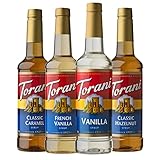
- Coffee Flavor Variety Pack: Perfect for making your own flavored lattes, mochas, cappuccinos and more, this variety pack includes 1 bottle of each: Caramel, French Vanilla, Vanilla and Hazelnut
- Flavoring Syrups: Made with pure cane sugar, natural flavors and cold-filtered water, Torani Original Syrups provide gold-standard flavors and vibrant colors to create amazing drink experiences
- Authentic Coffeehouse Flavor: From caramel to French vanilla to hazelnut—and everything in between—our syrups and sauces are here to help you create tantalizing lattes, cappuccinos, cold brews and frappes
- Find Your Recipe: We are here to help you create tantalizing drinks for every taste, occasion, and mood; Mix up some magic with caramel, lavender, pumpkin pie, hazelnut, chocolate, and many more flavors
- Flavor For All: Discover how Torani can help you make truly creative flavored teas, lemonades, smoothies, milkshakes, Italian sodas, coffees, cocktails, mocktails, snow cones, sparkling waters and more
Who this is for
- Home baristas who enjoy flavored iced coffee drinks.
- Anyone who has struggled with syrupy clumps at the bottom of their cold beverages.
- Coffee lovers looking to recreate coffee shop flavors at home without the hassle.
What to check first
Brewer type and filter type
The type of coffee maker and filter you use impacts the final coffee’s strength and body. A French press or pour-over with a metal filter might result in a richer, more full-bodied coffee that can stand up to sweeteners. Paper filters often produce a cleaner cup, which might highlight any undissolved syrup more prominently. Ensure your filter is correctly seated and free of any residues that could affect taste.
Water quality and temperature
The quality of your water significantly influences coffee flavor. If your tap water has a strong taste or is very hard, it can affect how well sweeteners dissolve and the overall palatability of your drink. For iced coffee, the starting temperature of your brewed coffee is crucial. Brewing it hot and then cooling it down is standard. If you’re using cold brew, the concentration will be higher, which can sometimes help with syrup integration.
Grind size and coffee freshness
The grind size determines the extraction rate of your coffee. For most brewing methods, a medium grind is common. If your coffee is too finely ground, it can lead to over-extraction and bitterness. Stale coffee grounds lack the volatile aromatics that make a fresh cup vibrant. Always use freshly roasted and ground beans for the best flavor, which will provide a better base for any added flavors.
Coffee-to-water ratio
The ratio of coffee grounds to water affects the strength of your brew. A stronger brew (more coffee to less water) can sometimes mask subtle issues with syrup dissolution, while a weaker brew might make undissolved syrup more noticeable. For iced coffee, many people brew it stronger than usual to account for dilution from ice. A common starting point is a 1:15 to 1:18 ratio of coffee to water by weight.
Cleanliness/descale status
A clean coffee maker is essential for good-tasting coffee and proper dissolution of ingredients. Mineral buildup (scale) from hard water can affect brewing temperature, flow rate, and even the taste of your coffee. If your machine hasn’t been descaled recently, it might not be heating water efficiently, which can impact how well syrup dissolves. Regularly cleaning your brewer and grinder is key to consistent results.
Step-by-step (brew workflow)
1. Prepare your syrup. If using plain sugar, it’s best to make a simple syrup by combining equal parts sugar and water in a small saucepan. Heat gently, stirring until the sugar is completely dissolved. Let it cool slightly.
- What “good” looks like: A clear, syrupy liquid with no visible sugar crystals.
- Common mistake: Boiling the syrup too vigorously or for too long, which can lead to caramelization and a bitter taste. Avoid this by stirring gently over low heat.
2. Brew your coffee. Use your preferred method and a ratio that yields a strong, concentrated brew. For iced coffee, consider brewing it hot and then chilling it, or making a cold brew concentrate.
- What “good” looks like: Coffee brewed to your desired strength and flavor profile, without off-tastes.
- Common mistake: Using coffee that is too weak, which will be further diluted by ice and make any syrup issues more apparent. Ensure your brew is robust.
3. Warm a small portion of coffee (optional but recommended). If you’re not using pre-made simple syrup, heat about 2-4 oz of your brewed coffee in a microwave or on the stovetop until it’s warm to the touch.
- What “good” looks like: Warm liquid that is not scalding hot, making it easy to handle.
- Common mistake: Heating the entire batch of coffee, which defeats the purpose of making iced coffee. Use only a small amount for dissolving.
4. Combine syrup and warm liquid. Pour your desired amount of flavored syrup (or simple syrup) into the small amount of warm coffee.
- What “good” looks like: The syrup begins to mix with the warm liquid immediately.
- Common mistake: Adding syrup directly to very hot liquid, which can sometimes cause certain flavors or ingredients in the syrup to break down or separate. Warm is sufficient.
5. Stir until dissolved. Stir the mixture thoroughly until the syrup is completely incorporated into the warm liquid. You should not see any streaks or clumps of syrup.
- What “good” looks like: A uniform, clear liquid with no visible separation.
- Common mistake: Not stirring long enough, leading to undissolved syrup that will settle at the bottom of your iced coffee. Be patient and stir until smooth.
6. Add ice to your serving glass. Fill your serving glass generously with ice.
- What “good” looks like: A glass filled with ice, ready to chill your coffee.
- Common mistake: Using too little ice, which will result in a watered-down drink very quickly. Overfill the glass.
7. Pour the dissolved syrup mixture over ice. Carefully pour the sweetened, warm liquid mixture into the ice-filled glass.
- What “good” looks like: The liquid coats the ice and begins to chill.
- Common mistake: Pouring too quickly, which can cause splashing. Pour slowly and steadily.
8. Add remaining coffee. Pour the rest of your chilled coffee over the ice and the syrup mixture.
- What “good” looks like: The coffee blends with the syrup mixture and ice, creating your flavored iced coffee.
- Common mistake: Not leaving enough room for the coffee after adding ice and syrup, leading to an overflow.
9. Stir gently. Give the entire drink a final, gentle stir to ensure everything is well combined.
- What “good” looks like: A homogenous beverage with no syrup pooling at the bottom.
- Common mistake: Over-stirring, which can melt the ice too quickly and dilute the drink. A few gentle stirs are usually enough.
10. Taste and adjust. Take a sip to check the sweetness and flavor. Add more syrup or a splash of coffee if needed.
- What “good” looks like: A perfectly balanced iced coffee that meets your taste preferences.
- Common mistake: Adding too much syrup at once without tasting, which can make the drink overly sweet. Adjust in small increments.
Common mistakes (and what happens if you ignore them)
| Mistake | What it causes | Fix |
|---|---|---|
| Adding syrup directly to cold coffee | Syrup doesn’t dissolve well, creating clumps and sweetness inconsistencies. | Pre-dissolve syrup in a small amount of warm liquid before adding to cold coffee. |
| Not stirring long enough | Undissolved syrup settles at the bottom of the glass. | Stir the syrup and liquid mixture until fully incorporated before adding to the main coffee. |
| Using plain granulated sugar | Sugar crystals are difficult to dissolve in cold liquids. | Use simple syrup (sugar dissolved in water) or a flavored syrup designed for cold drinks. |
| Using stale coffee | Flat or bitter coffee doesn’t complement sweeteners well. | Brew with fresh, quality coffee beans for a better flavor base. |
| Inadequate water filtration | Off-tastes in water can affect syrup dissolution and overall flavor. | Use filtered water to ensure a clean taste and better dissolution. |
| Over-diluting with ice | Drink becomes too watery, masking the intended syrup flavor. | Use good quality ice and consider brewing coffee stronger to compensate for melting. |
| Not cleaning the coffee maker | Mineral buildup can affect brewing and taste, impacting syrup integration. | Regularly descale and clean your coffee maker according to manufacturer instructions. |
| Adding syrup to scalding hot liquid | Can sometimes alter the flavor or texture of certain syrups. | Use warm liquid (not boiling) for dissolving syrup to maintain its intended properties. |
| Incorrect coffee-to-water ratio | Too weak a brew makes syrup issues more noticeable. | Brew coffee at a strength that can stand up to dilution and sweeteners; a stronger brew is often better for iced coffee. |
| Not letting syrup cool slightly | Pouring very hot syrup into cold ingredients can sometimes cause separation. | Allow your warm dissolved syrup mixture to cool slightly before combining with chilled coffee and ice. |
Decision rules (simple if/then)
- If you’re using plain granulated sugar, then pre-dissolve it in warm water or coffee because sugar crystals are very slow to dissolve in cold liquids.
- If you notice syrup settling at the bottom, then stir your coffee and syrup mixture more vigorously before drinking because undissolved syrup is the cause.
- If your iced coffee tastes weak and syrupy, then you likely used too little coffee or too much syrup, so adjust your coffee strength or syrup amount next time.
- If your flavored syrup is not mixing well, then try warming a small portion of your coffee first because warmth helps break down the syrup’s viscosity.
- If you want a smoother texture, then consider using a commercially made flavored syrup designed for cold beverages because these are often formulated to mix easily.
- If your coffee has an off-taste, then check your water quality and coffee freshness because these fundamental elements impact how well everything else integrates.
- If you find syrup clumps even after stirring, then you may need to let the sweetened coffee sit for a few minutes to allow diffusion to occur.
- If you are making a large batch of flavored iced coffee, then it’s best to dissolve the syrup in a smaller portion of coffee before combining it with the larger, chilled batch.
- If you’re using a syrup with a high sugar content, then be prepared to stir a bit longer because these syrups are naturally more viscous.
- If you want to avoid a watery drink, then use less ice initially and let the coffee chill it, or brew your coffee stronger than usual.
- If you’re experiencing separation in your syrup, then ensure you’re not using overly hot liquids and that the syrup itself is well-emulsified.
- If you want to ensure consistent flavor, then measure your syrup accurately each time because eyeballing can lead to inconsistent sweetness.
FAQ
Can I just pour syrup into my iced coffee?
You can, but it’s not ideal. Cold liquids make syrup more viscous, and it won’t dissolve easily, leading to clumps at the bottom of your drink. It requires a lot of stirring and time.
What is the best way to get syrup to dissolve in cold coffee?
The most effective method is to pre-dissolve the syrup in a small amount of warm liquid (like warm coffee or water) until it’s fully incorporated, then add this mixture to your iced coffee.
Does simple syrup dissolve better than plain sugar?
Yes, simple syrup (a 1:1 ratio of sugar to water heated until dissolved) dissolves much better than plain granulated sugar in cold liquids. It’s already in liquid form, making it easier to integrate.
How much syrup should I use in my iced coffee?
This is a matter of personal preference. Start with a smaller amount, like 1-2 tablespoons for an 8-12 oz drink, and add more to taste. It’s easier to add more than to take away.
What happens if my syrup doesn’t dissolve?
Undissolved syrup will settle at the bottom of your glass, creating a syrupy layer. Your first few sips might be weak, while the last sips will be overly sweet.
Can I use flavored syrups made for hot drinks in iced coffee?
Some can work, but syrups specifically designed for cold drinks often have better emulsifiers and are formulated to mix more easily in colder temperatures. Check the product label.
Does the type of coffee maker affect syrup dissolution?
Not directly, but the strength of your coffee does. A stronger brew can better mask slight inconsistencies in syrup dissolution compared to a very weak brew.
How can I avoid clumps of syrup in my iced coffee?
The key is to ensure the syrup is fully dissolved in a warm liquid before it meets the cold coffee and ice. Thorough stirring of this initial mixture is crucial.
What this page does NOT cover (and where to go next)
- Specific brand recommendations for syrups or coffee makers. (Next: Research reviews for popular brands in your price range).
- Advanced latte art techniques. (Next: Explore resources on milk steaming and pouring for espresso-based drinks).
- Detailed chemical explanations of sugar crystallization. (Next: Look into culinary science resources for deeper dives into food chemistry).
- Recipes for homemade coffee syrups from scratch. (Next: Search for dedicated recipes for fruit, spice, or nut-flavored coffee syrups).
- The impact of different coffee bean origins on flavor profiles when adding sweeteners. (Next: Investigate coffee tasting notes and origin profiles).