
Easy Mocha Coffee With Chocolate Syrup
Quick Answer
- Yes, you can easily use chocolate syrup to make mocha-flavored coffee at home.
- It’s a simple and flexible way to add chocolate flavor without complex ingredients.
- The amount of syrup you use directly controls the sweetness and chocolate intensity.
- For best results, stir the syrup thoroughly into your hot coffee or espresso.
- Consider the type of syrup; some are richer and more concentrated than others.
- You can adjust the coffee strength and milk (if using) to complement the chocolate flavor.
Who This Is For
- Home coffee drinkers who enjoy mocha but want a quick and easy way to make it.
- Anyone looking to experiment with flavored coffee without needing special syrups or powders.
- Individuals who prefer to control the sweetness and chocolate intensity of their mocha drinks.
What to Check First
- Brewer Type and Filter Type: Ensure your coffee maker is clean and functioning correctly. Whether you use a drip machine, pour-over, French press, or espresso machine, the brewing method will affect the coffee’s base flavor and strength. The filter type (paper, metal, cloth) can also influence the final taste; paper filters generally result in a cleaner cup.
- Water Quality and Temperature: Use fresh, cold water. Filtered water is ideal, as tap water with strong mineral flavors can negatively impact your coffee’s taste. For most brewing methods, the water temperature should be between 195°F and 205°F (90°C – 96°C) for optimal extraction. Water that’s too cool will lead to weak, sour coffee, while water that’s too hot can scorch the grounds, resulting in a bitter taste.
- Grind Size and Coffee Freshness: The grind size needs to match your brewing method. For example, espresso machines require a fine grind, drip machines a medium grind, and French presses a coarse grind. Freshly roasted and ground coffee beans will always yield the best flavor. Pre-ground coffee loses its aroma and flavor compounds more quickly. Aim to grind your beans just before brewing.
- Coffee-to-Water Ratio: A good starting point for most brewing methods is a ratio of 1:15 to 1:18 (coffee to water by weight). For example, for a 10 oz cup of coffee, you might use around 20-23 grams of coffee. Using too little coffee will result in a weak, watery drink, while too much can lead to over-extraction and bitterness, especially when you’re adding syrup.
- Cleanliness/Descale Status: A dirty coffee maker or lingering residue from previous brews can impart unpleasant flavors. Regularly clean your coffee maker, including the brew basket, carafe, and any removable parts. If you have hard water, descaling your machine periodically is crucial to maintain its performance and prevent mineral buildup, which can affect both taste and function. Check your brewer’s manual for specific descaling instructions.
Step-by-Step (Brew Workflow)
1. Brew Your Coffee:
- What to do: Prepare your coffee using your preferred brewing method and a good quality coffee bean. Aim for a brew strength that you enjoy, perhaps slightly stronger than usual if you plan to add milk.
- What “good” looks like: A well-extracted cup of coffee with a pleasant aroma and balanced flavor, free from bitterness or sourness.
- Common mistake and how to avoid it: Using stale grounds or incorrect grind size. Always use freshly ground beans and ensure the grind matches your brewer.
2. Prepare Your Mug:
- What to do: Select a mug of appropriate size for your desired drink. You can pre-warm it with hot water if you like, which helps keep your mocha warmer for longer.
- What “good” looks like: A clean, ready-to-use mug.
- Common mistake and how to avoid it: Using a dirty mug. Always ensure your mug is clean to avoid affecting the mocha’s flavor.
3. Add Chocolate Syrup:
- What to do: Add your desired amount of chocolate syrup to the bottom of the mug. Start with about 1-2 tablespoons, and adjust to your taste.
- What “good” looks like: The syrup is cleanly in the mug, ready to be mixed.
- Common mistake and how to avoid it: Adding too much syrup initially. It’s easier to add more than to take it away if it becomes too sweet.
For a delicious mocha, start with a good quality flavored coffee syrup. A rich, well-balanced syrup will form the perfect base for your chocolatey coffee.
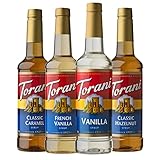
- Coffee Flavor Variety Pack: Perfect for making your own flavored lattes, mochas, cappuccinos and more, this variety pack includes 1 bottle of each: Caramel, French Vanilla, Vanilla and Hazelnut
- Flavoring Syrups: Made with pure cane sugar, natural flavors and cold-filtered water, Torani Original Syrups provide gold-standard flavors and vibrant colors to create amazing drink experiences
- Authentic Coffeehouse Flavor: From caramel to French vanilla to hazelnut—and everything in between—our syrups and sauces are here to help you create tantalizing lattes, cappuccinos, cold brews and frappes
- Find Your Recipe: We are here to help you create tantalizing drinks for every taste, occasion, and mood; Mix up some magic with caramel, lavender, pumpkin pie, hazelnut, chocolate, and many more flavors
- Flavor For All: Discover how Torani can help you make truly creative flavored teas, lemonades, smoothies, milkshakes, Italian sodas, coffees, cocktails, mocktails, snow cones, sparkling waters and more
4. Pour Hot Coffee (Partially):
- What to do: Pour a small amount of your freshly brewed hot coffee over the chocolate syrup – just enough to cover it.
- What “good” looks like: The hot coffee begins to melt and incorporate with the syrup.
- Common mistake and how to avoid it: Pouring all the coffee at once. This can make it harder to fully dissolve the syrup.
5. Stir to Combine:
- What to do: Stir the coffee and syrup mixture vigorously until the syrup is completely dissolved and there are no clumps or streaks of chocolate at the bottom.
- What “good” looks like: A smooth, uniformly chocolate-colored liquid with no visible syrup at the bottom.
- Common mistake and how to avoid it: Not stirring enough. Undissolved syrup will settle and create an unevenly flavored drink.
6. Add Remaining Coffee:
- What to do: Pour the rest of your hot coffee into the mug, filling it to your desired level.
- What “good” looks like: The coffee is well-integrated with the chocolate mixture.
- Common mistake and how to avoid it: Adding coffee too quickly, which might splash. Pour steadily.
7. Add Milk or Cream (Optional):
- What to do: If you like a creamier mocha, add your preferred milk (dairy or non-dairy) or cream. You can add it hot or cold, depending on your preference.
- What “good” looks like: The milk or cream is smoothly incorporated into the mocha.
- Common mistake and how to avoid it: Adding cold milk to very hot coffee too quickly, which can cool it down too much. You can warm the milk first or add it in stages.
8. Stir Again (If Adding Milk):
- What to do: Give the mocha a final stir to ensure everything is thoroughly combined.
- What “good” looks like: A homogenous beverage with no distinct layers of coffee, chocolate, or milk.
- Common mistake and how to avoid it: Skipping this step if milk was added, leading to a less integrated flavor profile.
9. Taste and Adjust:
- What to do: Take a sip and assess the flavor. If it’s not sweet enough, add a little more syrup. If it’s too chocolatey, add a splash more coffee or milk.
- What “good” looks like: A mocha that perfectly matches your personal taste preferences for sweetness and chocolate intensity.
- Common mistake and how to avoid it: Not tasting and adjusting. This is your chance to perfect the drink.
10. Add Toppings (Optional):
- What to do: Top with whipped cream, a drizzle of chocolate syrup, or cocoa powder if desired.
- What “good” looks like: A visually appealing finished drink.
- Common mistake and how to avoid it: Overdoing the toppings, which can mask the coffee and chocolate flavors.
Common Mistakes (and What Happens If You Ignore Them)
| Mistake | What It Causes | Fix |
|---|---|---|
| Using stale coffee beans | Flat, dull, or even rancid coffee flavor; poor extraction. | Use freshly roasted beans and grind them just before brewing. |
| Incorrect grind size for the brewer | Under-extraction (sour, weak) or over-extraction (bitter, harsh). | Match grind size to your specific brewing method (fine for espresso, coarse for French press). |
| Using poor quality or tap water | Off-flavors in the coffee; mineral buildup in the machine. | Use filtered or bottled water for a cleaner taste and better machine longevity. |
| Water temperature too low | Weak, sour, and underdeveloped coffee flavor. | Heat water to the optimal range (195°F-205°F / 90°C-96°C) for your brewing method. |
| Water temperature too high | Bitter, burnt, or harsh coffee flavor. | Let boiling water sit for 30-60 seconds before brewing, or use a temperature-controlled kettle. |
| Not stirring chocolate syrup thoroughly | Gritty texture at the bottom; uneven sweetness and chocolate flavor distribution. | Stir the syrup into a small amount of hot coffee until fully dissolved before adding the rest. |
| Using too much chocolate syrup | Overly sweet drink that masks coffee flavor; can be cloying. | Start with a smaller amount (1-2 tbsp) and add more to taste. |
| Adding syrup to cold coffee | Syrup may not dissolve properly, leading to clumps and uneven flavor. | Always dissolve syrup in hot coffee or espresso. |
| Overfilling the mug | Spills and a messy drinking experience. | Leave adequate space for milk, cream, or toppings. |
| Not cleaning the brewer regularly | Rancid oils and residue impart stale, unpleasant flavors to the coffee. | Clean your coffee maker after each use and descale periodically. |
Decision Rules
- If your coffee tastes weak and sour, then you likely used too little coffee or the grind was too coarse for your brewer because extraction was insufficient.
- If your coffee tastes bitter and harsh, then you likely used too much coffee, the grind was too fine, or the water was too hot because over-extraction occurred.
- If the chocolate flavor is too intense, then add more hot coffee or milk to dilute it because this will balance the sweetness and chocolate.
- If the mocha isn’t sweet enough, then add a little more chocolate syrup because this is the easiest way to increase sweetness.
- If the chocolate syrup isn’t dissolving, then pour a small amount of hot coffee over it first and stir vigorously because the heat and initial liquid help break it down.
- If you prefer a less sweet mocha, then use a darker, less sugary chocolate syrup or reduce the amount you use because this gives you more control over sweetness.
- If you want a richer mocha, then use a higher quality chocolate syrup or add a small amount of unsweetened cocoa powder along with the syrup because this can deepen the chocolate flavor.
- If your mocha tastes bland, then ensure you’re using fresh, quality coffee beans because the coffee itself is the foundation of the flavor.
- If you want to avoid a watery mocha, then brew your coffee slightly stronger than usual because the added chocolate and milk will dilute it.
- If you notice sediment at the bottom of your mug, then you didn’t stir the chocolate syrup enough or it wasn’t fully dissolved because it settled out.
- If you want a creamy mocha, then add warmed milk or cream because this will create a smoother texture and richer mouthfeel.
FAQ
Can I use chocolate syrup in iced coffee?
Yes, you can absolutely use chocolate syrup in iced coffee. It’s often easier to dissolve in cold liquids if you stir it into a small amount of hot coffee first, then add ice and the rest of your cold ingredients.
What kind of chocolate syrup is best for mocha?
The best syrup is subjective, but many prefer a rich, good-quality chocolate syrup made with real cocoa. Some brands offer different flavor profiles, so experiment to find your favorite. Avoid syrups with excessive artificial flavors if possible.
How much chocolate syrup should I use?
A good starting point is 1 to 2 tablespoons per 8-10 oz cup of coffee. You can always add more to reach your desired level of sweetness and chocolate intensity. It’s better to start with less and add more.
Will using chocolate syrup make my coffee too sweet?
It can, if you use too much. The key is to adjust the amount of syrup to your personal preference. If you find it too sweet, you can dilute it with more coffee or milk.
Can I use chocolate syrup if I’m making espresso for my mocha?
Absolutely. Add the chocolate syrup to your mug, then pull your espresso shot directly over the syrup. Stir well to dissolve before adding any steamed milk or other ingredients.
Does the type of coffee bean matter when making a mocha?
Yes, the coffee bean can influence the final mocha flavor. A medium or dark roast often pairs well with chocolate, providing a robust base that complements the sweetness. However, you can experiment with lighter roasts too.
What’s the difference between using chocolate syrup and cocoa powder for mocha?
Chocolate syrup is pre-sweetened and liquid, making it very easy to mix. Cocoa powder is unsweetened and requires sugar to be added separately, offering more control over sweetness but potentially requiring more effort to dissolve fully.
Can I make a dairy-free mocha using chocolate syrup?
Yes, easily. Use your preferred dairy-free milk (like almond, oat, soy, or coconut milk) and ensure your chocolate syrup is dairy-free. Many popular chocolate syrups are vegan.
What This Page Does Not Cover (and Where to Go Next)
- Detailed comparisons of specific chocolate syrup brands or their ingredients.
- Next: Research reviews for different chocolate syrup brands to find one that suits your taste preferences.
- Advanced latte art techniques for mocha drinks.
- Next: Explore resources on milk steaming and pouring techniques if you’re interested in latte art.
- Recipes for homemade chocolate syrups from scratch.
- Next: Look for recipes for homemade chocolate syrup if you want to control all the ingredients.
- Specific nutritional information or calorie counts for mocha drinks made with syrup.
- Next: Consult nutritional guides or product labels if you have specific dietary concerns.