
Flavoring Coffee With Hazelnut Syrup
Quick answer
- Use a good quality hazelnut syrup. Torani and Monin are solid choices.
- Start with about 1-2 tablespoons of syrup per 8 oz of coffee. Adjust to your taste.
- Add syrup after brewing. This prevents it from burning and losing flavor.
- Stir well to ensure the syrup is fully incorporated.
- Consider adding a splash of milk or cream to round out the flavor.
- Experiment with different roast levels; a medium roast often pairs well.
For a reliable and delicious hazelnut flavor, consider using Monin hazelnut syrup. It’s a popular choice for good reason.

Who this is for
- Anyone who loves a sweet, nutty coffee flavor without the fuss.
- Home baristas looking to easily add a gourmet touch to their morning cup.
- People who enjoy flavored lattes but want a simpler DIY approach.
What to check first
Brewer type and filter type
Your coffee maker matters. Drip machines, pour-overs, French presses – they all give a slightly different base. The filter (paper, metal, cloth) also impacts clarity and body. A cleaner filter means a cleaner flavor, which is key when adding syrup.
Water quality and temperature
Tap water can have off-flavors that clash with hazelnut. Filtered water is your friend here. Aim for water that’s hot but not boiling, usually around 195-205°F. Too cool, and you won’t extract enough flavor from the beans.
Grind size and coffee freshness
Freshly ground beans are a game-changer. A medium grind is a good starting point for most drip brewers. Stale coffee tastes flat, and that won’t do any favors for your hazelnut syrup.
Coffee-to-water ratio
A common starting point is 1:15 or 1:17 (coffee to water by weight). For example, 2 tablespoons of coffee for every 6 oz of water. Too much coffee can make it bitter, too little, and it’s weak.
Cleanliness/descale status
This is huge. If your brewer is grimy or has mineral buildup, your coffee will taste off, no matter how good the beans or syrup. A clean machine lets the hazelnut shine.
Step-by-step (brew workflow)
1. Grind your beans.
- What to do: Measure your whole beans and grind them just before brewing.
- What “good” looks like: A consistent grind size, appropriate for your brewer. It should smell fresh.
- Common mistake: Grinding too fine or too coarse. Too fine clogs filters and causes bitterness; too coarse leads to weak coffee. Use the recommended grind for your brewer.
2. Heat your water.
- What to do: Heat filtered water to the ideal brewing temperature range.
- What “good” looks like: Water that’s hot, steaming, but not violently boiling.
- Common mistake: Using boiling water. This can scorch the coffee grounds, leading to a bitter taste. Let it sit for 30-60 seconds after boiling.
3. Prepare your brewer.
- What to do: Place your filter in the brewer and rinse it with hot water.
- What “good” looks like: The filter is wet and any papery taste is gone. This also preheats your brewer.
- Common mistake: Forgetting to rinse the paper filter. It can leave a papery taste in your final cup.
4. Add coffee grounds.
- What to do: Add your freshly ground coffee to the prepared filter.
- What “good” looks like: The grounds are evenly distributed in the filter.
- Common mistake: Tamping down the grounds too much. This restricts water flow and can lead to uneven extraction. Just level them gently.
5. Bloom the coffee (for pour-over/drip).
- What to do: Pour just enough hot water over the grounds to saturate them. Wait 30 seconds.
- What “good” looks like: The grounds puff up and release CO2, creating a bubbly surface.
- Common mistake: Skipping the bloom. This step allows trapped gases to escape, leading to a more even extraction and better flavor.
6. Brew your coffee.
- What to do: Continue pouring water over the grounds using your preferred method (slowly in circles for pour-over, or let the machine do its thing).
- What “good” looks like: A steady stream of dark, aromatic coffee filling your carafe.
- Common mistake: Pouring water too quickly or unevenly. This can cause channeling, where water bypasses some grounds, leading to weak coffee.
7. Remove the brewer/grounds.
- What to do: Once brewing is complete, carefully remove the filter basket or press.
- What “good” looks like: All the liquid has drained, leaving behind spent grounds.
- Common mistake: Letting the brewed coffee sit on the grounds for too long. This can over-extract and make the coffee bitter.
8. Add hazelnut syrup.
- What to do: Pour your desired amount of hazelnut syrup into your brewed coffee.
- What “good” looks like: The syrup mixes easily into the hot coffee.
- Common mistake: Adding syrup before brewing. Heat can sometimes alter the syrup’s flavor profile or even burn it. Add it to the finished cup.
9. Stir and taste.
- What to do: Stir the coffee and syrup together thoroughly. Taste and adjust syrup if needed.
- What “good” looks like: The syrup is fully dissolved, and the flavor is balanced to your liking.
- Common mistake: Not stirring enough. You’ll end up with pockets of concentrated syrup and plain coffee.
10. Add dairy (optional).
- What to do: Pour in your preferred milk or cream.
- What “good” looks like: The coffee is creamy and the flavors meld together.
- Common mistake: Adding cold milk to very hot coffee too quickly. This can sometimes cool the coffee down too much.
Common mistakes (and what happens if you ignore them)
| Mistake | What it causes | Fix |
|---|---|---|
| Using stale coffee beans | Flat, dull, and uninspired coffee flavor | Buy freshly roasted beans and grind them right before brewing. |
| Using poor quality water | Off-flavors that clash with the hazelnut syrup | Use filtered or bottled water for a cleaner taste. |
| Incorrect water temperature | Bitter or weak coffee | Aim for 195-205°F. Too hot burns, too cool under-extracts. |
| Wrong grind size | Bitter (too fine) or weak (too coarse) coffee | Match grind size to your brewing method; medium is common. |
| Over-extraction | Bitter, astringent taste | Don’t let coffee grounds sit in hot water too long after brewing. |
| Under-extraction | Sour, weak, and thin coffee | Ensure water is hot enough and grounds are evenly saturated. |
| Adding syrup before brewing | Burnt or altered syrup flavor, potential residue | Always add syrup to the brewed coffee in your mug. |
| Not cleaning the coffee maker regularly | Gritty, oily residue and stale coffee taste | Descale and clean your brewer regularly according to manufacturer instructions. |
| Not stirring the syrup | Uneven sweetness and flavor distribution | Stir thoroughly until the syrup is fully incorporated. |
| Using too much syrup | Overpowering sweetness that masks coffee and hazelnut | Start with a small amount and add more to taste. |
Decision rules (simple if/then)
- If your coffee tastes bitter, then try a coarser grind or slightly cooler water because over-extraction is likely.
- If your coffee tastes weak or sour, then try a finer grind or slightly hotter water because under-extraction is likely.
- If you detect chlorine or metallic tastes, then use filtered water because tap water impurities are interfering.
- If your brewed coffee has an oily sheen, then clean your brewer thoroughly because coffee oils can build up.
- If the hazelnut flavor isn’t coming through, then try a slightly stronger coffee brew or a bit more syrup because a weak base can hide flavors.
- If the syrup isn’t dissolving well, then make sure your coffee is hot enough because heat helps dissolve sugars.
- If you’re using a French press and get too much sediment, then try a slightly coarser grind and avoid plunging too hard because this can push fine particles through the filter.
- If you want a richer, creamier hazelnut coffee, then add milk or cream after adding the syrup because dairy complements nutty flavors.
- If you’re brewing with a paper filter and notice a papery taste, then make sure you rinsed the filter thoroughly with hot water before adding grounds because this removes the paper taste.
- If you’re tasting burnt notes, then check your water temperature and brewing time because water that’s too hot or brewing for too long can scorch the grounds.
FAQ
Q: What kind of hazelnut syrup should I use?
A: Look for reputable brands like Torani, Monin, or DaVinci. They offer good flavor and consistency. Avoid anything that seems overly artificial.
When choosing a hazelnut syrup, look for reputable brands like Monin or Torani, which offer excellent flavor and consistency for your flavored coffee syrup needs.
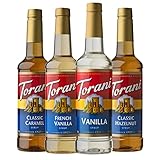
- Coffee Flavor Variety Pack: Perfect for making your own flavored lattes, mochas, cappuccinos and more, this variety pack includes 1 bottle of each: Caramel, French Vanilla, Vanilla and Hazelnut
- Flavoring Syrups: Made with pure cane sugar, natural flavors and cold-filtered water, Torani Original Syrups provide gold-standard flavors and vibrant colors to create amazing drink experiences
- Authentic Coffeehouse Flavor: From caramel to French vanilla to hazelnut—and everything in between—our syrups and sauces are here to help you create tantalizing lattes, cappuccinos, cold brews and frappes
- Find Your Recipe: We are here to help you create tantalizing drinks for every taste, occasion, and mood; Mix up some magic with caramel, lavender, pumpkin pie, hazelnut, chocolate, and many more flavors
- Flavor For All: Discover how Torani can help you make truly creative flavored teas, lemonades, smoothies, milkshakes, Italian sodas, coffees, cocktails, mocktails, snow cones, sparkling waters and more
Q: How much syrup is too much?
A: This is totally personal. A good starting point is 1-2 tablespoons per 8 oz of coffee. Taste as you go. You can always add more, but you can’t take it away.
Q: Can I add the syrup directly to the coffee grounds before brewing?
A: It’s best not to. The heat during brewing can sometimes alter the syrup’s flavor, and it might even burn, leaving a less pleasant taste. Add it after brewing.
Q: Does the type of coffee bean matter when using hazelnut syrup?
A: Yes, it can. A medium roast often provides a good balance, allowing the hazelnut flavor to stand out without being overpowered. Dark roasts can sometimes be too intense.
Q: Will the syrup make my coffee thicker?
A: Most syrups will add a slight viscosity, but it’s usually not a dramatic thickening. If you want a thicker coffee, consider adding milk or cream.
Q: How do I store hazelnut syrup?
A: Check the bottle, but typically, unopened syrup can be stored at room temperature. Once opened, refrigerate it to maintain freshness and prevent spoilage.
Q: Can I make my own hazelnut syrup?
A: You can! It usually involves simmering water, sugar, and hazelnut extract or toasted hazelnuts. It’s a bit more effort but can be rewarding.
Q: What if I don’t have a fancy espresso machine?
A: No worries! This method works great with any coffee brewer – drip machines, pour-overs, Aeropress, or even a good old percolator. The key is good coffee and adding the syrup at the end.
What this page does NOT cover (and where to go next)
- Detailed guides on specific brewing methods like pour-over or espresso.
- In-depth reviews of specific coffee grinder models.
- The science behind coffee extraction and flavor profiles.
- Recipes for complex coffee drinks beyond simple syrup additions.
For more on brewing techniques, explore resources dedicated to your specific coffee maker. To dive deeper into coffee flavor, look for guides on coffee tasting notes and bean origins.