
Easy Recipe for Homemade Iced Hazelnut Coffee
Quick answer
- Use a strong coffee concentrate.
- Add hazelnut syrup or extract.
- Chill thoroughly before serving over ice.
- Sweeten to taste, but don’t overdo it.
- Use quality beans for the best flavor.
- Don’t skip the chilling step.
Who this is for
- Anyone craving a cool, flavored coffee at home.
- Busy folks who want a quick, satisfying drink.
- Coffee lovers looking to experiment beyond plain cold brew.
If you’re looking to make iced coffee regularly, consider investing in a dedicated iced coffee maker for consistently great results.

- BREW BY THE CUP OR CARAFE: Brews both K-Cup pods and coffee grounds.
- MULTISTREAM TECHNOLOGY: Saturates the grounds evenly to extract full flavor and aroma in every cup, hot or cold.
- BREW OVER ICE: Adjusts temperature for maximum flavor and less ice melt for single-cup iced coffees and teas.
- STRONG BREW & EXTRA HOT FUNCTIONALITY: Brews a stronger, more intense-flavored cup and the extra hot feature brews a hotter single cup.
- MULTIPLE BREW SIZES: Brew 6, 8, 10, or 12oz single cups or 6, 8, 10, or 12-cup carafes. 12-cup glass carafe specially designed to limit dripping.
What to check first
Brewer type and filter type
This recipe works with most brewers. A drip machine, French press, or even pour-over will do. Just make sure your filter is clean. Paper filters are fine, but some folks prefer metal for a richer oil profile. Just know what you’re working with.
Water quality and temperature
Start with good water. If your tap water tastes funky, your coffee will too. Filtered water is usually the move. For this recipe, we’re aiming for a hot brew that will be chilled later, so water temperature is key during brewing. Aim for around 195-205°F.
Grind size and coffee freshness
Freshly ground beans are king. Aim for a medium grind for drip or pour-over. If you’re using a French press, go a bit coarser. Stale coffee tastes flat. Look for roast dates on the bag if you can.
Coffee-to-water ratio
This is where you make a concentrate. You’ll use more coffee than usual for the amount of water. Think about a 1:8 or 1:10 ratio for brewing, knowing it’ll be diluted with ice and maybe milk. This ensures a strong flavor that won’t get lost.
Cleanliness/descale status
Your brewer needs to be clean. Old coffee oils can turn rancid and ruin your perfectly good hazelnut dreams. If you haven’t descaled your machine in a while, now’s the time. Check your brewer’s manual for specific instructions.
Step-by-step (brew workflow)
1. Choose your coffee beans.
- What to do: Select medium or dark roast beans. Hazelnut flavor pairs well with richer roasts.
- What “good” looks like: Beans that smell fresh, not dusty or stale.
- Common mistake: Using old, stale beans. This leads to a weak, flat taste. Avoid this by checking roast dates or buying from a reputable roaster.
2. Grind your beans.
- What to do: Grind the beans to a medium consistency, like coarse sand.
- What “good” looks like: Evenly sized grounds.
- Common mistake: Grinding too fine or too coarse. Too fine clogs filters or over-extracts, making it bitter. Too coarse under-extracts, making it weak.
3. Heat your water.
- What to do: Heat filtered water to between 195°F and 205°F.
- What “good” looks like: Water that’s hot but not boiling.
- Common mistake: Using boiling water. This can scorch the coffee grounds, leading to a bitter taste. Wait a minute or two after boiling.
4. Prepare your brewer.
- What to do: Place a clean filter in your brewer. Rinse paper filters with hot water to remove papery taste.
- What “good” looks like: A clean, ready-to-go brewing setup.
- Common mistake: Forgetting to rinse the paper filter. This is an easy step that makes a big difference.
5. Add coffee grounds.
- What to do: Measure your coffee grounds. For a concentrate, use roughly 1:8 coffee to water ratio by weight or volume. For example, 4 oz of coffee for 32 oz of water.
- What “good” looks like: A generous bed of grounds in the filter.
- Common mistake: Under-dosing the coffee. This results in a weak brew that won’t stand up to ice and additions.
6. Bloom the coffee (optional but recommended).
- What to do: Pour just enough hot water to saturate the grounds. Let it sit for 30 seconds.
- What “good” looks like: The grounds puff up and release CO2.
- Common mistake: Skipping the bloom. This step helps degas the coffee, leading to a more even extraction and better flavor.
7. Brew the coffee.
- What to do: Slowly pour the remaining hot water over the grounds, ensuring even saturation.
- What “good” looks like: A steady stream of coffee filling your carafe.
- Common mistake: Pouring too fast or unevenly. This can lead to channeling, where water bypasses some grounds, resulting in uneven extraction.
8. Cool the coffee.
- What to do: Let the brewed coffee cool at room temperature for about 15-20 minutes. Then, transfer it to the refrigerator to chill completely.
- What “good” looks like: Cold, concentrated coffee ready for serving.
- Common mistake: Pouring hot coffee directly over ice. This melts the ice too quickly, diluting your drink before it’s even flavored. Patience here is key.
9. Add hazelnut flavor.
- What to do: Once chilled, stir in your hazelnut syrup or extract. Start with a tablespoon or two and adjust to your taste.
- What “good” looks like: A noticeable but not overpowering hazelnut aroma and taste.
- Common mistake: Adding flavor to hot coffee. This can alter the flavor profile and isn’t ideal for chilling.
10. Sweeten and serve.
- What to do: Add sweetener if desired (sugar, simple syrup, etc.) and stir well. Fill a glass with ice, pour in your flavored coffee concentrate. Add milk or cream if you like.
- What “good” looks like: A perfectly balanced, refreshing iced coffee.
- Common mistake: Adding too much sweetener. You can always add more, but you can’t take it away. Taste as you go.
Serve your delicious creation in a tall glass, perhaps one designed specifically for iced beverages to keep it extra chilled.
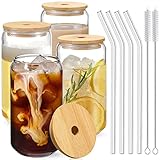
- PRODUCT CONFIGURATION: Drinking glass set includes 4 glass cups [ Diameter - 3 inches, Height - 5.6 inches ],4 nature bamboo lids, 4 reusable glass straws and 2 cleaning brushes, Classic design tumbler
- DURABLE and SAFE: The glasses are made of high-quality durable clear glass, Lead-free and BPA-free. It can be used safely for a long time. This thick clear glass can withstand the sudden changes in the temperature difference between -68°F to 212°F, making them dishwasher safe. If you want to decorate this glass, you can do DIY easily without breakage
- MULTI-PURPOSE: The glassware Great for any Occasion, any hot and cold drinks, home essentials. It is widely loved by families, kitchen, breweries, cafes, bars and restaurants. You can use it to make perfect tea, bubble Pearl Milk Tea, soda, water, iced coffee, smoothie, fruit juice or any other interesting holiday drinks
- AMAZING GIFT: This jar is very fashionable, aesthetic and characteristic. Excellent workmanship. Perfect Gifts for Women, House warming gifts, Tea mug Sets, Highball Glasses, Home Bar Accessories, Birthdays, Graduation, Weddings and Christmas Gifts
- SATISFIED SERVICE: This glass set is packaged in the heavy bubble holder and thick carton box to prevent damage while in transport. If the glass set you received was damaged or imperfect or you are not satisfied, we will offer a satisfactory solution
Common mistakes (and what happens if you ignore them)
| Mistake | What it causes | Fix |
|---|---|---|
| Using stale coffee beans | Flat, dull, or bitter taste | Use freshly roasted beans; grind just before brewing. |
| Incorrect grind size | Bitter (too fine) or weak (too coarse) coffee | Match grind to your brewing method; aim for medium for drip. |
| Water too hot or too cold | Burnt/bitter (too hot) or weak/sour (too cold) | Brew between 195-205°F; check with a thermometer if needed. |
| Dirty brewing equipment | Off-flavors, rancid taste | Clean your brewer and grinder regularly; descale as recommended. |
| Under-dosing coffee grounds | Weak, watery iced coffee | Use a stronger coffee-to-water ratio for concentrate (e.g., 1:8). |
| Pouring hot coffee directly over ice | Diluted, watery drink | Let coffee cool completely before serving over ice. |
| Overpowering with hazelnut flavor | Artificial, cloying taste | Start with less syrup/extract; taste and add more as needed. |
| Not chilling the coffee thoroughly | Melts ice too fast, weak flavor | Refrigerate brewed coffee until cold before adding ice and serving. |
| Using poor quality water | Off-flavors in the final drink | Use filtered or spring water for the cleanest taste. |
| Rushing the brewing process | Uneven extraction, poor flavor | Allow adequate brew time; pour water slowly and evenly. |
| Adding milk too soon to hot coffee | Can affect flavor and texture if not cooled first | Chill coffee, then add milk/cream to the cold concentrate. |
Decision rules (simple if/then)
- If your coffee tastes bitter, then try a coarser grind because finer grinds can over-extract.
- If your coffee tastes weak, then try a finer grind or more coffee grounds because under-extraction leads to a weak flavor.
- If your brewed coffee smells “off,” then clean your brewer thoroughly because old coffee oils can go rancid.
- If your iced coffee tastes watery, then ensure you’re brewing a concentrate and letting it cool completely before adding ice because dilution is the enemy of strong flavor.
- If the hazelnut flavor is too strong, then dilute it with more plain coffee or milk because you can’t remove flavor once it’s in.
- If you’re using tap water and it has a chlorine taste, then use filtered water because water quality significantly impacts coffee flavor.
- If your coffee has a sour taste, then check your water temperature and grind size; it might be under-extracted.
- If you’re making a large batch, then consider using a cold brew method for a smoother, less acidic base that’s perfect for flavor additions.
- If you want a stronger hazelnut kick, then add a splash of hazelnut extract along with your syrup because extract can boost flavor intensity.
- If your coffee is not brewing properly (e.g., overflowing), then check your grind size and ensure the filter is seated correctly because these are common causes of brewing issues.
- If you prefer a less sweet drink, then start with less syrup and taste before adding more because sweetness is subjective.
FAQ
Can I use instant coffee for this recipe?
You can, but the flavor won’t be as rich or complex as using freshly brewed coffee. If you do use instant, make a strong solution according to package directions and chill it well before adding hazelnut.
How long does homemade iced hazelnut coffee last?
Once chilled and flavored, it should be consumed within 2-3 days when stored in an airtight container in the refrigerator. Flavor can degrade over time.
Can I make this without a fancy coffee maker?
Absolutely. A French press, AeroPress, or even a simple pour-over cone will work great for brewing a strong coffee base. Just adjust your grind and technique accordingly.
What kind of hazelnut flavoring is best?
Hazelnut syrup is popular for sweetness and flavor. Hazelnut extract offers a more concentrated flavor without added sugar, which is good if you prefer to control sweetness separately.
Do I have to use hazelnut?
Nope. This recipe is a template. Swap the hazelnut syrup or extract for any flavor you like – vanilla, caramel, almond, or even a mocha swirl.
How can I make it less sweet?
Use a sugar-free hazelnut syrup or opt for hazelnut extract and add your sweetener separately. This gives you complete control over the sweetness level.
What if I don’t have time to chill the coffee?
You can brew your coffee strong and hot, add your hazelnut syrup, and then pour it over a LOT of ice. It will dilute more, but it’s a faster way to get your fix. Just know the flavor might not be as intense.
Can I add milk or cream?
Definitely. Add your preferred milk or cream after chilling the coffee and adding the hazelnut. Dairy or non-dairy options both work well.
What this page does NOT cover (and where to go next)
- Specific brand recommendations for coffee beans or syrups. (Check coffee blogs for reviews.)
- Detailed cold brew methods. (Look for “cold brew coffee guide.”)
- Advanced latte art or espresso-based drinks. (Search for “home espresso tutorials.”)
- Recipes for homemade coffee syrups from scratch. (Explore “DIY coffee syrup recipes.”)
- Nutritional information or calorie counts. (Consult a nutritionist or online calculators.)