
Making Black Coffee Taste Great: Flavor Enhancing Tips
Quick answer
- Start with fresh, whole bean coffee. Grind it right before brewing.
- Use filtered water. Avoid tap water if it tastes off.
- Get your coffee-to-water ratio dialed in. It’s a game-changer.
- Match your grind size to your brewer. This is crucial.
- Keep your equipment clean. Seriously, clean it.
- Experiment with water temperature. A few degrees can make a big difference.
- Don’t rush the bloom. Let that CO2 escape.
Who this is for
- Anyone who drinks black coffee but finds it bitter, sour, or just… meh.
- Home brewers who want to elevate their daily cup without fancy gadgets.
- Coffee lovers looking to understand the basics of great black coffee.
What to check first
Brewer type and filter type
Different brewers need different approaches. A French press uses a metal filter, letting more oils through. A pour-over with a paper filter traps oils, leading to a cleaner cup. Know what you’re working with.
Water quality and temperature
Your coffee is like 98% water, right? So, that water better be good. If your tap water tastes funky, your coffee will too. Filtered is usually the way to go. For temperature, aim for hot, but not boiling. Think 195-205°F (90-96°C). Too cool, and you get sourness. Too hot, and you can scorch the grounds, leading to bitterness.
Grind size and coffee freshness
Freshness is king. Buy whole beans and grind them just before you brew. Pre-ground coffee loses its aroma and flavor fast. The grind size is critical. Too coarse for your brewer means under-extraction (sour, weak). Too fine means over-extraction (bitter, harsh).
Freshness is king. Buy whole beans and grind them just before brewing. For the best results, consider a quality burr grinder to ensure peak flavor.
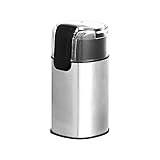
- Electric coffee bean grinder appliance for home use
- Can grind 30 grams/1 ounce of beans for drip coffee brewing in 10 seconds
- Grind coffee beans, herbs, spices, grains, nuts, and more
- Clear safety lid allows you to easily see the results in progress
- Heavy-duty stainless steel grind blade
Coffee-to-water ratio
This is how much coffee you use for a certain amount of water. A good starting point is around 1:15 to 1:17. That means for every gram of coffee, you use 15-17 grams of water. Weighing your coffee and water is the most accurate way to nail this.
A good coffee-to-water ratio is crucial for balanced flavor. For consistent and precise brewing, a good coffee scale is invaluable for accurately measuring your coffee and water.

- Barista-Level Precision: A 0.1g high-precision sensor with a rapid refresh rate responds instantly to changes in weight, helping you achieve consistent results across espresso, pour over, drip coffee, Chemex, V60, and filter coffee brewing.
- Integrated Brew Timer: A built-in count-up and count-down timer tracks bloom, extraction, and espresso shots. Ideal for dialing in espresso, timing Chemex and V60 pour over recipes, or steeping tea. Auto-shutoff helps preserve battery life between brews.
- Durable Waterproof Silicone Cover: The heat-resistant, dishwasher-safe silicone cover helps protect the coffee scale's spacious 5.25" x 5.25" weighing surface from splashes, spills, and hot equipment. The grooved surface provides added stability and makes cleanup quick and easy.
- Versatile Measurement Options: Quick-tare and 6 unit options make it easy to weigh coffee beans, espresso shots, matcha portions, and more. Choose from g, ml, lb, lb:oz, oz, and fl oz for added flexibility in the kitchen and coffee bar.
- Intuitive Design: A bright dual-color LCD display clearly separates weight and timer readings, while simple controls make daily brewing easy. Includes 3 AAA batteries and is backed by 5 years of coverage, with support from our St. Louis-based team whenever you need a hand.
Cleanliness/descale status
Gunk builds up. Coffee oils, mineral deposits – they all affect flavor. A dirty brewer makes bitter coffee. A descaled machine performs better and tastes cleaner. Make cleaning a habit.
Step-by-step (brew workflow)
1. Gather your gear.
- What to do: Get your brewer, filter, fresh coffee beans, grinder, kettle, scale, and mug ready.
- What “good” looks like: Everything is clean and within easy reach. No scrambling mid-brew.
- Common mistake: Starting without everything. You end up fumbling and rushing, messing up the timing.
2. Heat your water.
- What to do: Heat filtered water to your target temperature, ideally 195-205°F (90-96°C).
- What “good” looks like: Water is at the right temp. If you don’t have a thermometer, boil it, then let it sit for about 30-60 seconds.
- Common mistake: Using boiling water. It can scorch the coffee grounds and make your brew bitter.
3. Weigh and grind your coffee.
- What to do: Weigh your whole beans based on your desired ratio (e.g., 20g coffee for 300g water). Grind them to the appropriate size for your brewer.
- What “good” looks like: A consistent grind, not too fine or too coarse. The aroma should be vibrant.
- Common mistake: Grinding too early. Coffee stales rapidly after grinding.
4. Prepare your brewer and filter.
- What to do: Place the filter in your brewer. If it’s a paper filter, rinse it with hot water. This removes papery taste and preheats the brewer. Discard the rinse water.
- What “good” looks like: The filter is seated properly, and the brewer is warm.
- Common mistake: Not rinsing paper filters. You’ll get a papery, unpleasant taste in your coffee.
5. Add coffee grounds.
- What to do: Add your freshly ground coffee to the prepared brewer. Gently shake to level the bed of grounds.
- What “good” looks like: An even bed of grounds, ready for the water.
- Common mistake: Not leveling the grounds. This can lead to uneven extraction.
6. Start the bloom.
- What to do: Start your timer. Pour just enough hot water (about twice the weight of the coffee) over the grounds to saturate them evenly. Wait 30-45 seconds.
- What “good” looks like: The coffee grounds puff up and bubble. This is CO2 escaping.
- Common mistake: Skipping the bloom. You’ll trap CO2, which can lead to a sour, underdeveloped taste.
7. Continue pouring.
- What to do: Slowly and steadily pour the remaining hot water over the grounds. Aim for a consistent pour pattern (e.g., circular motions).
- What “good” looks like: A controlled pour that keeps the grounds saturated but doesn’t overflow.
- Common mistake: Pouring too fast or all at once. This can cause channeling and uneven extraction.
8. Let it drip/steep.
- What to do: Allow the water to filter through the grounds and into your mug or carafe. For immersion brewers like French press, let it steep for the recommended time.
- What “good” looks like: The brewing process finishes within the expected time frame for your brewer.
- Common mistake: Over-extracting by letting it sit too long. This results in bitterness.
9. Remove grounds/press.
- What to do: Once brewing is complete, remove the filter basket or gently press the plunger.
- What “good” looks like: All the liquid is in your mug, and the grounds are contained.
- Common mistake: Leaving the grounds in contact with the brewed coffee. This can lead to over-extraction.
10. Serve and enjoy.
- What to do: Pour your freshly brewed black coffee into your favorite mug. Smell it. Taste it.
- What “good” looks like: A balanced, flavorful cup of coffee.
- Common mistake: Letting it sit too long before drinking. Coffee tastes best fresh.
Common mistakes (and what happens if you ignore them)
| Mistake | What it causes | Fix |
|---|---|---|
| Using old, stale coffee beans | Flat, dull, or bitter taste | Buy fresh, whole beans and store them properly. |
| Pre-grinding coffee | Loss of aroma and flavor, stale taste | Grind beans right before brewing. |
| Using poor quality tap water | Off-flavors, metallic or chemical notes | Use filtered or bottled water. |
| Incorrect water temperature | Sour (too cool) or bitter (too hot) coffee | Aim for 195-205°F (90-96°C). Let boiling water cool for 30-60 seconds. |
| Wrong grind size for brewer | Sour/weak (too coarse) or bitter (too fine) | Match grind size to your brewer type (e.g., coarse for French press). |
| Inconsistent coffee-to-water ratio | Weak or overly strong coffee | Weigh your coffee and water for accuracy. |
| Not cleaning brewing equipment | Bitter, oily residue, stale taste | Clean your brewer and grinder regularly. Descale as needed. |
| Skipping the bloom | Sour, underdeveloped taste, trapped CO2 | Let coffee bloom for 30-45 seconds with initial pour. |
| Uneven pouring/channeling | Inconsistent extraction, both sour and bitter | Pour slowly and steadily, ensuring even saturation of grounds. |
| Over-extraction (too long) | Bitter, harsh, astringent taste | Pay attention to brew times; don’t let coffee sit on grounds too long. |
| Under-extraction (too short) | Sour, weak, thin body | Ensure adequate contact time and proper grind size for your brewer. |
Decision rules (simple if/then)
- If your coffee tastes sour, then increase your grind size slightly because it might be too fine, causing over-extraction.
- If your coffee tastes bitter, then decrease your grind size slightly because it might be too coarse, causing under-extraction.
- If your coffee tastes weak and watery, then increase your coffee dose or decrease your water amount because your ratio is off.
- If your coffee tastes too strong or intense, then decrease your coffee dose or increase your water amount because your ratio is off.
- If you use a paper filter and taste paper, then make sure you rinsed it thoroughly with hot water before brewing because that removes papery residue.
- If your water tastes bad, then use filtered water because your tap water is likely the culprit.
- If your coffee is consistently bland, then check your coffee freshness and grind size because these are the most common causes.
- If your brewing equipment looks grimy, then clean it thoroughly because oils and residue make coffee taste bad.
- If your coffee is brewed with water that’s too cool, it will taste sour and underdeveloped.
- If your coffee is brewed with water that’s too hot, it will taste bitter and burnt.
FAQ
Q: How can I make my black coffee less bitter?
A: Bitterness usually means over-extraction. Try a slightly coarser grind, slightly cooler water, or a shorter brew time. Ensure your equipment is clean.
Q: My coffee tastes sour. What am I doing wrong?
A: Sourness often means under-extraction. Try a slightly finer grind, hotter water (within the 195-205°F range), or a longer brew time. Make sure you’re using the right coffee-to-water ratio.
Q: Is it okay to reuse coffee filters?
A: No, coffee filters are designed for single use. Reusing them can lead to mold growth and will impart stale flavors into your coffee.
Q: How do I store whole coffee beans?
A: Store them in an airtight container in a cool, dark place. Avoid the refrigerator or freezer, as moisture and temperature fluctuations can degrade the beans.
Q: What’s the best way to clean my coffee maker?
A: For drip machines, run a cycle with a descaling solution or vinegar and water, followed by a few cycles of plain water. For other brewers, follow the manufacturer’s instructions for regular cleaning.
Q: Does the type of coffee bean matter for black coffee?
A: Absolutely. Different beans have different flavor profiles. Light roasts tend to be brighter and more acidic, while dark roasts are bolder and can have bitter notes. Experiment to find what you like.
Q: I don’t have a scale. How can I measure coffee and water?
A: While not as precise, you can use measuring spoons for coffee and cups for water. A common starting point is 1-2 tablespoons of coffee per 6 oz of water. Weighing is highly recommended for consistency.
Q: Why does my coffee taste like burnt toast?
A: This is usually a sign of over-extraction, often caused by water that’s too hot, a grind that’s too fine, or brewing for too long.
What this page does NOT cover (and where to go next)
- Specific coffee bean origins and roast profiles. (Explore different regions and roast levels.)
- Advanced brewing techniques like siphon or Aeropress methods. (Look into specialized brewer guides.)
- The science behind coffee extraction. (Dive into coffee chemistry resources.)
- Espresso preparation or milk-based drinks. (Check out guides focused on espresso.)
- Detailed coffee grinder comparisons. (Research grinder types and burr vs. blade.)