
Feeling Sick From Too Much Coffee? Causes and Relief
Quick answer
- Nausea, jitters, and anxiety can stem from overconsumption of caffeine.
- Individual sensitivity to caffeine varies significantly.
- Hydration and eating a balanced meal can help mitigate symptoms.
- Adjusting coffee strength, serving size, or frequency is often the solution.
- Certain medical conditions or medications can increase caffeine sensitivity.
- Listen to your body and recognize your personal caffeine limits.
What this problem usually is (and is not)
- This problem is typically a physiological response to excessive caffeine intake, sometimes called “caffeine overdose” or “caffeine intoxication.”
- It is often characterized by symptoms like jitters, anxiety, stomach upset, and difficulty sleeping.
- It is NOT usually a sign of coffee allergy, which is rare and presents with different, more severe allergic reactions.
- It is NOT typically an indication of food poisoning unless other contaminated ingredients were present.
- It is NOT a permanent condition; symptoms usually subside as caffeine is metabolized.
- It is NOT a reason to completely avoid coffee unless advised by a medical professional; moderation is key.
Likely causes (triage list)
- Too much caffeine for your body: Your individual tolerance can vary based on genetics, body weight, and metabolism.
- How to confirm: Reflect on how many cups you’ve had recently and compare it to previous instances where you felt fine.
- Drinking coffee on an empty stomach: Caffeine can stimulate stomach acid production, which may cause irritation without food to buffer it.
- How to confirm: Notice if sickness occurs more frequently when you haven’t eaten recently.
- Rapid consumption: Drinking a large amount of coffee quickly can lead to a sudden surge of caffeine into your system.
- How to confirm: Consider the speed at which you consumed your coffee leading up to feeling unwell.
- High caffeine content in your brew: Different coffee beans and brewing methods yield varying caffeine levels. A dark roast isn’t necessarily lower in caffeine.
- How to confirm: Check the type of beans or brew method; for example, espresso shots typically have more caffeine per ounce than drip coffee.
- Dehydration: Caffeine is a mild diuretic, and if you’re not adequately hydrated, this can exacerbate feelings of sickness.
- How to confirm: Assess your overall fluid intake throughout the day, especially water.
- Interaction with medications or supplements: Some drugs can slow caffeine metabolism, leading to higher levels in your system.
- How to confirm: Review your current medications and supplements with a healthcare professional to check for known interactions.
- Underlying health conditions: Certain conditions, like anxiety disorders or gastrointestinal issues, can make you more sensitive to caffeine’s effects.
- How to confirm: If symptoms are persistent or severe, consult a doctor to rule out other causes.
- Poor sleep: Being sleep-deprived can make you more sensitive to caffeine’s stimulating effects, sometimes leading to an overreaction.
- How to confirm: Evaluate your recent sleep quality and duration.
Dehydration can worsen feelings of sickness when you’ve had too much caffeine. Ensuring you stay well-hydrated with solutions like these can make a significant difference.

- FAST & EFFECTIVE HYDRATION: Combat dehydration with our science-based electrolyte powder formula that hydrates faster than water alone. Perfect for sports, outdoor activities, and hot days.
- 3X ELECTROLYTES & ½ THE SUGAR: Our precise formula activates a hydration shortcut, delivering essential electrolytes with less sugar than leading sports drinks. A great-tasting hydration powder that's easy to drink and mix.
- HEALTH-CONSCIOUS FORMULA: Non-GMO, Gluten-Free, Vegan, Soy-Free, Dairy-Free and Kosher. Our hydration packets include essential nutrients like potassium, magnesium, zinc, and vitamin C for added immune support. Natural colors derived from sources including fruit and vegetable juices, turmeric, spirulina extract, and beta carotene. No FD&C colors ever (no Red 40).
- CONVENIENT SINGLE-SERVE PACKETS: 16 portable electrolytes powder packets perfect to rehydrate on-the-go. Ideal for travel, sports activities, and daily use. Mix 1 packet into 8 oz of water for effective hydration.
- TRUSTED BRAND WITH A MISSION: Created by a doctor, DripDrop is a groundbreaking innovation that earned a Mayo Clinic Humanitarian Award. As a Public Benefit Company, every purchase supports our mission to defeat dehydration with global donations of our product.
Fix it step-by-step (brew workflow)
1. Stop caffeine intake: Immediately cease consuming any more coffee or other caffeinated beverages.
- What “good” looks like: No additional caffeine entering your system, allowing your body to process what’s already there.
- Common mistake and how to avoid it: Don’t try to “power through” with more coffee; this will only worsen symptoms.
2. Drink water: Sip water slowly to rehydrate and help flush caffeine from your system.
- What “good” looks like: Consistent, small sips of plain water over time.
- Common mistake and how to avoid it: Don’t chug a large amount of water, which could upset your stomach further. Avoid sugary drinks.
3. Eat a light snack: Consume something bland and easy to digest, like toast, a banana, or crackers. This can help settle your stomach and slow caffeine absorption.
- What “good” looks like: A small, carbohydrate-rich snack.
- Common mistake and how to avoid it: Don’t eat heavy, greasy, or spicy foods, which could aggravate nausea.
4. Take a walk or stretch: Gentle physical activity can help distract you and potentially aid in metabolism.
- What “good” looks like: A short, slow walk or light stretching, focusing on deep breaths.
- Common mistake and how to avoid it: Don’t engage in strenuous exercise, which could increase heart rate and anxiety.
5. Practice deep breathing: Focus on slow, deep breaths to help calm your nervous system and reduce anxiety.
- What “good” looks like: Inhaling slowly through your nose, holding for a few seconds, and exhaling slowly through your mouth.
- Common mistake and how to avoid it: Don’t hyperventilate; this can worsen lightheadedness.
6. Find a quiet place to rest: Lie down or sit comfortably in a calm environment to reduce sensory input.
- What “good” looks like: A dark, quiet room where you can relax without distractions.
- Common mistake and how to avoid it: Don’t try to continue with demanding tasks or social activities.
7. Monitor symptoms: Pay attention to how you’re feeling and note if symptoms worsen or persist for an unusually long time.
- What “good” looks like: Gradual improvement in symptoms over several hours.
- Common mistake and how to avoid it: Don’t ignore severe symptoms like chest pain, extreme dizziness, or difficulty breathing; seek medical attention.
8. Consider over-the-counter remedies (if needed): For stomach upset, an antacid might offer some relief.
- What “good” looks like: Using remedies as directed and only if symptoms are mild and typical.
- Common mistake and how to avoid it: Don’t self-medicate heavily or use remedies without understanding potential side effects or interactions.
Prevent it next time
- Know your limits: Understand your personal caffeine tolerance and stick to it.
- Hydrate regularly: Drink plenty of water throughout the day, especially when consuming coffee.
- Eat before or with coffee: Always have some food in your stomach when you drink coffee to buffer its effects.
- Measure your coffee: Use a scale to measure coffee grounds for consistent strength and avoid over-caffeination.
- Choose your brew wisely: Be aware of the caffeine content in different coffee types and brewing methods (e.g., cold brew can be very potent).
- Time your intake: Avoid coffee too close to bedtime to prevent sleep disruption, which can make you more sensitive the next day.
- Gradual increase: If you’re new to coffee or increasing your intake, do so slowly to allow your body to adjust.
- Regular cleaning and maintenance: Ensure your coffee maker is clean; while not directly causing sickness from caffeine, a clean machine ensures optimal flavor and prevents other issues.
- Store coffee properly: Keep coffee beans in an airtight container away from light and heat to preserve freshness and flavor, preventing the need for excessive brewing to get a good taste.
Common mistakes (and what happens if you ignore them)
| Mistake | What it causes | Fix |
|---|---|---|
| Drinking too much coffee too quickly | Sudden jitters, anxiety, rapid heart rate, stomach upset | Sip coffee slowly, spread intake over time |
| Consuming coffee on an empty stomach | Nausea, stomach irritation, acid reflux | Always eat a light meal or snack with your coffee |
| Not knowing your personal caffeine limit | Over-caffeination, leading to anxiety, insomnia, headaches | Start with small amounts and gradually increase until you find your comfortable limit |
| Ignoring symptoms of over-caffeination | Worsening anxiety, prolonged jitters, severe stomach issues, impaired concentration | Stop caffeine intake immediately, hydrate, eat, and rest |
| Relying solely on coffee for energy | Dependence, energy crashes, increased sensitivity to caffeine | Prioritize good sleep, balanced diet, and regular exercise for sustainable energy |
| Drinking very strong coffee without adjustment | Unintended high caffeine dose, leading to discomfort | Understand the caffeine content of different roasts and brew methods; adjust serving size |
| Not hydrating with water alongside coffee | Dehydration, headaches, dizziness, exacerbated caffeine side effects | Drink an equal or greater amount of water with your coffee |
| Mixing coffee with energy drinks or other stimulants | Dangerous levels of stimulation, heart palpitations, severe anxiety | Avoid combining multiple sources of caffeine or stimulants |
| Consuming coffee late in the day | Sleep disturbances, insomnia, leading to fatigue and increased coffee reliance the next day | Cut off caffeine intake several hours before bedtime (e.g., 6-8 hours) |
| Using coffee to self-medicate for fatigue or low mood | Masking underlying issues, potential for increased anxiety or dependence | Address root causes of fatigue or mood issues; consult a doctor if needed |
Decision rules (simple if/then)
- If you feel jittery after one cup, then your caffeine tolerance is low because you’re sensitive to its stimulating effects.
- If you get stomach upset when drinking coffee, then try eating a meal beforehand because food can buffer stomach acid.
- If you can’t sleep after an afternoon coffee, then avoid caffeine after noon because it takes several hours for your body to metabolize it.
- If your heart races after coffee, then reduce your serving size because you’re likely consuming too much caffeine too quickly.
- If you’re consistently tired despite drinking coffee, then focus on improving your sleep and diet because coffee is a temporary stimulant, not a substitute for rest.
- If you experience nausea with coffee, then switch to a lighter roast or a lower caffeine brewing method because darker roasts can sometimes be less acidic but caffeine content varies.
- If you’re taking new medication and feel more sensitive to coffee, then check with your doctor because some drugs can interfere with caffeine metabolism.
- If you’ve had several cups and still feel tired, then stop drinking coffee and rest because more caffeine will likely lead to overstimulation without providing true energy.
- If you frequently get headaches after coffee, then ensure you’re well-hydrated because caffeine can be mildly dehydrating.
- If you’re trying to cut back on coffee, then gradually reduce your intake over a week or two because a sudden stop can lead to withdrawal symptoms.
FAQ
Why does too much coffee make me sick to my stomach?
Too much coffee can stimulate excess stomach acid production, especially if consumed on an empty stomach. Caffeine can also act as a laxative, which might contribute to discomfort.
How long does it take for caffeine sickness to go away?
Symptoms typically begin to subside within a few hours, as your body metabolizes the caffeine. The half-life of caffeine is usually 3-5 hours, meaning half of the caffeine will be out of your system in that time.
Can coffee make you anxious?
Yes, caffeine is a stimulant that can increase heart rate, blood pressure, and activate the “fight or flight” response, leading to feelings of anxiety, nervousness, or even panic attacks in sensitive individuals.
Is it possible to have a caffeine overdose?
While rare from coffee alone, it is possible to consume dangerously high levels of caffeine, leading to symptoms like rapid heart rate, confusion, seizures, or even loss of consciousness. This is more common with caffeine powders or supplements.
While this article focuses on coffee, it’s worth noting that high doses of caffeine from supplements can be particularly risky. Be mindful of all your caffeine sources.
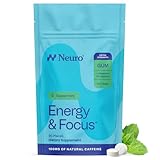
- Fast-Acting Nootropic - Our energy supplements deliver an extra boost of energy and clarity with a blend of natural caffeine, L-theanine, and vitamin b6 & b12. Your go-to chewing gum for work, exercise, and daily focus!
- Clean Energy - Each piece of our sugar free gum delivers 100mg of natural caffeine from green coffee beans for a smooth energy boost without crashes or jitters.
- The Perfect Balance - With 60mg of L-theanine per piece, our energy and focus formula promotes enhanced focus and stress reduction to smooth energy boosts.
- How to Use - Chew one piece of the caffeine gum whenever focus or energy is lacking. Ideal for mornings, pre-workout, or afternoon slumps. Effects typically kick in within minutes thanks to optimal absorption through the mouth.
- Made by Neuro, Backed by Science - At Neuro, we combine neuroscience with clean, science backed ingredients to help you do more, think better, and feel your best every single day.
What’s the recommended daily caffeine limit?
For most healthy adults, up to 400 milligrams of caffeine per day (about four 8-ounce cups of brewed coffee) is considered safe. However, individual tolerance varies greatly.
Should I stop drinking coffee if it makes me sick?
Not necessarily. Often, adjusting the amount, strength, or timing of your coffee intake can resolve the issue. If symptoms persist or are severe, consult a healthcare professional.
What this page does NOT cover (and where to go next)
- Specific medical diagnoses for severe or persistent symptoms, which require a doctor’s consultation.
- Detailed information on caffeine withdrawal symptoms and management strategies.
- Comprehensive guides on brewing methods to reduce caffeine content.
- Advice on specific coffee brands or products.
- In-depth dietary plans for managing caffeine sensitivity.