
Exploring the Benefits of Organic Coffee Beans
Quick Answer: Does Organic Coffee Make a Difference?
- Yes, organic coffee can make a difference, primarily in environmental impact and reduced exposure to synthetic pesticides.
- It supports sustainable farming practices that protect soil health and water quality.
- Organic certification means beans are grown without synthetic fertilizers, pesticides, or GMOs.
- While the taste difference can be subtle and subjective, many people report a cleaner, brighter flavor.
- Choosing organic is a way to vote with your wallet for a healthier planet and potentially a healthier you.
- It’s a good option if you’re concerned about the chemicals used in conventional coffee farming.
Key Terms and Definitions
- Organic Coffee: Coffee grown and processed according to strict organic standards, avoiding synthetic pesticides, fertilizers, and GMOs.
- Fair Trade: A certification focused on ensuring fair wages and ethical treatment for farmers and workers. It can overlap with organic but isn’t the same.
- Shade-Grown Coffee: Coffee cultivated under a canopy of trees, which can benefit biodiversity and bird habitats. Often, but not always, organic.
- Pesticides: Chemicals used to kill pests. Conventional coffee farming often relies on these.
- Herbicides: Chemicals used to kill weeds. Also common in conventional farming.
- Synthetic Fertilizers: Man-made chemicals to boost plant growth. Organic farming uses natural compost and manure.
- Biodiversity: The variety of life in a particular habitat. Organic farming often promotes it.
- Soil Health: The continued capacity of soil to function as a vital living ecosystem. Organic practices aim to improve this.
- Certifying Agency: Independent organizations that verify whether a product meets organic standards (e.g., USDA Organic).
- Specialty Coffee: High-quality coffee, often graded on a 100-point scale, focusing on distinct flavor profiles. Organic beans can be specialty grade.
When considering your next purchase, look for certifications like Fair Trade to ensure ethical sourcing alongside organic practices. This fair trade coffee is a great option to consider.

- ORGANIC COFFEE BEANS: USDA Organic, Fair Trade & Shade-Grown Arabica Coffee.
- FLAVOR PROFILE: Sultry, bold dark roast tones with notes of chocolate roasted leaving traditional Nicaraguan flavors of bright apricot, fig, and spice
- FAIR TRADE & SINGLE ORIGIN: PRODECOOP uses its proceeds to bring improved living standards to its growing membership and fund programs in medical care, education and environmental sustainability
- SMALL BATCH ROASTED: Craft roasted in our vintage 90 kilo German-built Probat drum roaster retrofitted with modern fuel-efficient ribbon burners, delivering perfectly roasted coffee every time.
- CARBON NEGATIVE: Tiny Footprint Coffee is the world’s first carbon negative coffee. For every pound that’s sold, we donate a portion of the proceeds to fund reforestation in Ecuador’s Mindo Cloud Forest. Over time, these trees will remove 54 lbs. of CO2 from the atmosphere as well as provide habitat for hundreds of native plant and animal species
How Organic Coffee Farming Works
- Organic coffee farms focus on natural processes. Think compost, not chemicals.
- They build healthy soil using natural fertilizers like manure and green manure.
- Pest control relies on natural methods, like beneficial insects or companion planting.
- Weed management uses mulching or manual removal instead of herbicides.
- These methods aim to create a balanced ecosystem on the farm.
- It’s about working with nature, not against it.
- Water sources are protected from chemical runoff.
- The goal is long-term sustainability for the land and the community.
- This approach often leads to a richer, more vibrant soil.
- It’s a more hands-on, thoughtful way to grow coffee.
What Affects the Organic Coffee Result
- Farming Practices: The specific organic methods used by the farmer matter. Some are better than others.
- Terroir: Just like wine, the soil, climate, and altitude of the farm impart unique flavors. This applies to organic beans too.
- Processing Method: Whether the beans are washed, natural, or honey-processed significantly impacts taste. Organic processing follows strict guidelines.
- Roast Level: Light, medium, or dark roasts bring out different characteristics. A good roast is key, organic or not.
- Freshness: How recently the beans were roasted and ground is crucial for flavor. Always aim for fresh.
- Brewing Method: Espresso, pour-over, French press – each highlights different aspects of the bean.
- Water Quality: Filtered water is always best for any coffee.
- Grind Size: Too fine or too coarse can ruin your brew. Match it to your brewer.
- Bean Varietal: Different coffee plant varieties have inherent flavor notes.
- Storage: Keeping beans in an airtight container away from light and heat preserves freshness.
- Altitude: Higher altitudes often produce denser beans with more complex flavors.
- Shade vs. Sun Grown: Shade-grown coffee can develop slower, leading to more nuanced flavors, and is often organic.
For an even more environmentally conscious choice, consider shade-grown coffee, which often aligns with organic practices and supports biodiversity. This shade grown coffee is an excellent choice for a sustainable brew.
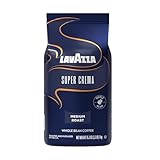
- SUPER CREMA: A 2.2 lb whole bean coffee bag ideal for espresso preparation
- INTENSITY AND ROAST: This full-bodied medium roast offers a bold and creamy finish
- BLEND: Made from Arabica and Robusta beans, this naturally caffeinated blend is sourced from 15 coffee-growing countries around the world
- PREPARATION: Ideal for espresso preparation.
- BREWING GUIDE FOR SINGLE ESPRESSO: 0.28 oz of ground espresso delivers a 1 oz espresso shot
Pros, Cons, and When Organic Coffee Matters
- Pro: Reduced exposure to synthetic pesticides and fertilizers for farmers and consumers.
- Con: Organic coffee can sometimes be more expensive due to certification costs and potentially lower yields.
- Matters When: You prioritize environmental sustainability and want to support farming that protects ecosystems.
- Pro: Promotes healthier soil and water systems, benefiting local communities and wildlife.
- Con: The taste difference can be subtle and subjective; not always a dramatic leap in flavor for everyone.
- Matters When: You’re sensitive to chemical residues or have health concerns related to pesticide use.
- Pro: Often associated with better biodiversity on coffee farms, supporting bird populations and other wildlife.
- Con: “Organic” doesn’t automatically mean “ethically sourced” or “fair trade,” though they often overlap.
- Matters When: You’re looking for a “cleaner” cup and want to minimize your environmental footprint.
- Pro: Supports a more natural, holistic approach to agriculture.
- Con: Availability might be less widespread than conventional options in some areas.
- Matters When: You’re willing to pay a bit more for a product that aligns with your values.
Common Misconceptions About Organic Coffee
- Myth: Organic coffee always tastes better.
- Reality: Taste is subjective and influenced by many factors beyond being organic.
- Myth: All organic coffee is shade-grown.
- Reality: While many organic farms are shade-grown, it’s not a requirement of organic certification.
- Myth: Organic means no chemicals at all are used.
- Reality: It means no synthetic pesticides or fertilizers. Natural pest control methods are allowed.
- Myth: Organic coffee is always more expensive.
- Reality: Prices vary greatly based on origin, quality, and brand. Some organic options are competitively priced.
- Myth: Organic certification guarantees fair wages.
- Reality: Organic focuses on farming methods. Fair Trade certification specifically addresses worker compensation and conditions.
- Myth: You can tell if coffee is organic just by looking at the beans.
- Reality: Visual inspection alone can’t confirm organic status; look for certification seals.
- Myth: Organic coffee is bad for business.
- Reality: Demand for organic products is growing, making it a viable and often profitable market.
- Myth: Organic farming is less efficient.
- Reality: While initial transitions can be challenging, well-managed organic farms can be highly productive and sustainable long-term.
FAQ: Does Organic Coffee Make a Difference?
Q: What does “USDA Organic” on my coffee bag really mean?
It means the coffee beans were grown and processed according to the strict standards set by the U.S. Department of Agriculture. This includes avoiding synthetic pesticides, fertilizers, and genetically modified organisms.
Q: Does organic coffee taste different from conventional coffee?
For some people, yes. They report a cleaner, brighter, or more nuanced flavor. However, the difference can be subtle and highly dependent on the bean’s origin, roast, and brew method.
Q: Is organic coffee better for my health?
It can be, as it means you’re likely consuming fewer pesticide residues. However, coffee itself has many compounds, and the overall health impact is complex.
Q: Why is organic coffee sometimes more expensive?
Organic certification involves fees and often requires more labor-intensive farming practices. Sometimes yields can be lower initially, which can also affect price.
Q: Can I brew organic coffee using my regular coffee maker?
Absolutely. The brewing method doesn’t change just because the beans are organic. You’ll use the same equipment and techniques.
Q: Does organic certification ensure fair treatment of farmers?
No, organic certification focuses on agricultural practices. Fair Trade certification is what guarantees fair wages and working conditions. You can find coffee that is both organic and Fair Trade.
Q: Are there environmental benefits to choosing organic coffee?
Yes, definitely. Organic farming helps protect soil health, conserves water, and promotes biodiversity by avoiding harmful synthetic chemicals.
Q: How do I know if my coffee is truly organic?
Look for the official USDA Organic seal or seals from other reputable organic certifying bodies on the packaging.
What This Page Does Not Cover (and Where to Go Next)
- Specific taste profiles of different organic coffee origins. (Next: Explore regional coffee guides.)
- Detailed comparisons of organic vs. non-organic coffee processing methods. (Next: Research coffee processing techniques.)
- The financial impact of organic certification on coffee farmers. (Next: Look into sustainable agriculture economics.)
- How to identify counterfeit organic products. (Next: Learn about product verification and labeling.)
- Advanced home brewing techniques for maximizing flavor. (Next: Dive into specialty coffee brewing guides.)