
Explore The Flavor Of Peanut Coffee
Quick answer
- Use finely ground coffee beans for a robust base.
- Toast peanuts lightly before grinding for maximum flavor.
- Blend ground peanuts with coffee grounds before brewing.
- Experiment with a slightly higher coffee-to-water ratio.
- Consider a richer milk or cream for serving.
- Adjust brewing time for desired intensity.
Who this is for
- Adventurous coffee drinkers looking to shake up their routine.
- Home baristas eager to experiment with unique flavor infusions.
- Anyone who loves the nutty, savory notes of peanuts and wants them in their morning cup.
What to check first
Brewer type and filter type
Got a drip machine, pour-over, French press, or AeroPress? Each has its quirks. Paper filters are common for drip and pour-over, metal for French press. This matters for how fine your grind can be and how much sediment you’ll get. For peanut coffee, a finer grind might be your friend, so check what your brewer handles best.
Water quality and temperature
Stale, chlorinated tap water? Nah. Filtered water is key. It lets the coffee and peanut flavors shine. Aim for water just off the boil, around 195-205°F. Too hot scorches, too cool under-extracts. It’s a sweet spot you gotta find.
Grind size and coffee freshness
Freshly roasted beans, ground right before brewing? That’s the gold standard. For peanut coffee, a medium-fine to fine grind often works well, especially if you’re blending with peanuts. Too coarse and you get weak coffee; too fine and you can clog your brewer or get bitter results.
Coffee-to-water ratio
This is your flavor control. A good starting point is usually 1:15 to 1:18 (coffee to water by weight). For peanut coffee, you might want to push it a bit, maybe 1:14, to ensure the peanut flavor doesn’t get lost. It’s all about balance.
Cleanliness/descale status
A dirty brewer is the enemy of good coffee. Period. If you’ve got gunk built up, it’ll mess with your flavor. Descale your machine regularly. A clean brewer means clean flavors, letting that peanut goodness come through.
Step-by-step (how to make peanut coffee)
1. Toast the peanuts: Spread raw peanuts on a baking sheet. Toast in a 300°F oven for 5-10 minutes, or until fragrant. Let them cool completely. This brings out their natural oils and flavor.
- What “good” looks like: Peanuts are lightly browned and smell nutty.
- Common mistake: Burning the peanuts. Watch them closely! They go from toasted to burnt fast.
2. Grind the peanuts: Once cooled, grind the toasted peanuts in a spice grinder or food processor until they’re a coarse powder, similar to breadcrumbs. Don’t over-grind into a butter.
- What “good” looks like: A powdery, not oily, peanut consistency.
- Common mistake: Grinding into peanut butter. This will clog your brewer and make a mess.
To achieve the perfect coarse powder for your peanut coffee, a reliable spice grinder is essential. This one is highly rated for its efficiency in grinding nuts and spices.
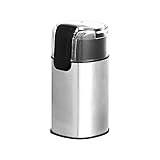
- Electric coffee bean grinder appliance for home use
- Can grind 30 grams/1 ounce of beans for drip coffee brewing in 10 seconds
- Grind coffee beans, herbs, spices, grains, nuts, and more
- Clear safety lid allows you to easily see the results in progress
- Heavy-duty stainless steel grind blade
3. Grind the coffee: Grind your coffee beans to your preferred size for your brewer. For many methods, a medium-fine grind is a good starting point for this recipe.
- What “good” looks like: Consistent grounds, no clumps or dust.
- Common mistake: Using pre-ground coffee that’s been sitting around. Flavor fades fast.
4. Combine grounds: Measure your ground coffee and ground peanuts. A good starting ratio is about 3-4 parts coffee to 1 part peanuts by volume, but adjust to taste. Mix them thoroughly in a bowl.
- What “good” looks like: An even blend of coffee and peanut particles.
- Common mistake: Not mixing well. You’ll get uneven extraction and flavor pockets.
5. Prepare your brewer: Load the coffee-peanut mixture into your brewer’s filter. If using a drip machine or pour-over, ensure the filter is properly seated. For a French press, add the grounds directly to the carafe.
- What “good” looks like: Grounds evenly distributed in the filter or carafe.
- Common mistake: Tamping down the grounds too hard. This restricts water flow.
6. Bloom the coffee: If using pour-over or French press, pour just enough hot water (around 195-205°F) to saturate the grounds. Let it sit for 30 seconds. This releases CO2 and primes the coffee.
- What “good” looks like: The grounds puff up and bubble slightly.
- Common mistake: Skipping the bloom. You’ll miss out on better flavor development.
7. Brew the coffee: Continue pouring water slowly and steadily over the grounds, following your brewer’s standard procedure. Aim for a total brew time of 3-5 minutes for most methods.
- What “good” looks like: A steady stream of coffee filling your vessel.
- Common mistake: Pouring too fast or too erratically. This leads to uneven extraction.
8. Finish the brew: Once brewing is complete, remove the filter or press the plunger. Let the coffee settle for a moment before serving.
- What “good” looks like: A rich, aromatic brew ready to be poured.
- Common mistake: Leaving the grounds in contact with the brewed coffee too long (especially in French press). This can lead to bitterness.
9. Serve and enjoy: Pour the peanut coffee into your favorite mug. Consider adding a splash of milk or cream, or even a touch of sweetener if desired.
- What “good” looks like: A satisfying aroma and a rich, nutty flavor profile.
- Common mistake: Overpowering the peanut flavor with too much milk or sugar. Let the coffee shine.
Common mistakes (and what happens if you ignore them)
| Mistake | What it causes | Fix |
|---|---|---|
| Using stale coffee beans | Flat, lifeless coffee with no aroma or depth. | Buy fresh beans and grind them just before brewing. |
| Using old, stale peanuts | Off-flavors, rancidity, and a muted nutty taste. | Use fresh, raw peanuts and toast them yourself. |
| Grinding peanuts too fine (into butter) | Clogged brewer, sludgy coffee, and an oily texture. | Grind peanuts to a coarse powder, like breadcrumbs. |
| Not mixing coffee and peanut grounds well | Uneven extraction, some cups too weak, others too bitter. | Thoroughly combine grounds before brewing. |
| Using tap water with strong chlorine | Chlorine taste overpowers coffee and peanut notes. | Use filtered water for a cleaner, more accurate flavor profile. |
| Brewing with water that’s too hot | Scorched coffee grounds, leading to a bitter, acrid taste. | Let boiling water sit for 30-60 seconds to reach 195-205°F. |
| Brewing with water that’s too cool | Under-extracted coffee, resulting in weak, sour, and watery flavor. | Use a thermometer or time your water heating to ensure proper temp. |
| Not cleaning your brewer regularly | Bitter, stale, or “off” flavors from old coffee oils. | Descale and clean your brewer thoroughly after each use. |
| Using too much peanut in the blend | Overpowering peanut flavor, masking the coffee notes. | Start with a smaller ratio of peanuts and adjust to your preference. |
| Not blooming the coffee (pour-over/French press) | Less complex flavor, potential for channeling and uneven extraction. | Always perform a 30-second bloom with hot water. |
Decision rules (simple if/then)
- If your coffee tastes weak and watery, then increase the coffee-to-water ratio or grind finer because you’re likely under-extracting.
- If your coffee tastes bitter and burnt, then decrease the water temperature or grind coarser because you’re likely over-extracting.
- If you’re using a French press and get a lot of sediment, then grind coarser or ensure you’re not pressing too hard because fine grounds will pass through the filter.
- If you want a more intense peanut flavor, then slightly increase the amount of ground peanuts in your blend because more peanut means more flavor.
- If you want a more subtle peanut flavor, then decrease the amount of ground peanuts or use a darker roast coffee because a stronger coffee can balance the nuttiness.
- If your brewer is dripping slowly, then your grind might be too fine or you’ve compacted the grounds too much because water can’t flow freely.
- If your coffee tastes “off” or stale, then check the freshness of your coffee beans and peanuts because old ingredients ruin good coffee.
- If you’re brewing pour-over and the water is draining too fast, then grind finer because a finer grind offers more resistance.
- If you’re using a drip machine and the coffee tastes weak, then make sure you’re using the right amount of grounds for the water volume because consistency is key.
- If you notice an oily residue in your cup, then your peanuts might have been ground too long into a paste, or your coffee-to-peanut ratio is off because oils are being released excessively.
- If you’re new to this, start with a standard coffee-to-water ratio and a smaller peanut proportion because it’s easier to add more flavor than to take it away.
FAQ
Can I use peanut butter instead of ground peanuts?
Probably not a good idea. Peanut butter is oily and might clog your brewer, making a mess and leading to a greasy cup. Stick to dry, ground peanuts.
How much peanut should I add?
Start small. A ratio of about 3-4 parts coffee to 1 part peanuts by volume is a good place to begin. You can always adjust up or down based on your taste preference.
Does the type of coffee bean matter?
Yes. A medium to dark roast often pairs well with the nutty flavors of peanuts, providing a good base. Lighter roasts might get a bit lost.
What if I don’t have a spice grinder for the peanuts?
A small food processor or even a mortar and pestle can work. The key is to get a coarse powder, not a smooth paste.
Can I pre-grind the coffee and peanut mix?
It’s best not to. Coffee loses its flavor quickly after grinding. Grind your coffee fresh, and then mix it with your pre-ground peanuts right before brewing for the best results.
Will this make my coffee taste like peanut butter?
It depends on how much peanut you add and how you brew. The goal is a subtle nutty note that complements the coffee, not a full-on peanut butter bomb.
Is peanut coffee safe for people with peanut allergies?
Absolutely not. This method introduces peanut particles into the coffee. If you have a peanut allergy, avoid this entirely.
How do I store leftover ground peanuts?
Store them in an airtight container in a cool, dark place. For longer storage, you can keep them in the refrigerator or freezer, but use them relatively soon to prevent rancidity.
What this page does NOT cover (and where to go next)
- Specific brand recommendations for coffee makers or grinders. (Check reviews for your budget.)
- Detailed scientific explanations of extraction chemistry. (Look for advanced brewing guides.)
- Complex latte art techniques or milk steaming. (Explore dedicated barista resources.)
- Commercial-scale peanut coffee production. (This is for home brewers.)
- Other flavor infusion techniques beyond peanuts. (Branch out into spices or extracts.)