
Indulgent Peanut Butter Coffee Drink Recipe
Quick answer
- Use freshly brewed, strong coffee as your base.
- Creamy peanut butter works best for a smooth texture.
- A blender is essential for incorporating peanut butter evenly.
- Adjust sweetness and peanut butter amount to your taste.
- Consider adding chocolate syrup or cocoa powder for a “peanut butter cup” flavor.
- Serve hot or cold, depending on your preference.
- Don’t skip the blending step for a truly indulgent drink.
Who this is for
- Coffee lovers looking to experiment with unique flavor combinations.
- Anyone craving a rich, dessert-like coffee experience at home.
- Home baristas who enjoy customizing their daily brew.
What to check first
Brewer type and filter type
The type of coffee brewer you use will affect the strength and body of your base coffee. For a peanut butter coffee, a strong brew is generally preferred to stand up to the richness of the peanut butter.
- Drip coffee maker: A standard paper filter will produce a clean cup. Use a medium grind.
- French press: A metal mesh filter allows more coffee oils through, resulting in a fuller-bodied coffee. Use a coarse grind.
- Espresso machine: For a very strong base, pull a shot or two of espresso. Use a fine grind.
For this indulgent peanut butter coffee, you’ll want a strong base. Using a quality coffee maker to brew your strong brewed coffee is key to a rich flavor.
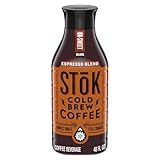
- Plenty to Go Around: One 48 fl oz bottle of ready to drink Unsweetened, Black, SToK Espresso Blend Cold Brew Coffee with 195 mg caffeine per 12 oz serving
- Brewed Low and Slow: SToK Espresso Blend Cold Brew Coffee drinks are steeped for at least 10 hours to bring you a dialed-in smoothness that’s never bitter
- Still Smooth: SToK's boldest brew with nutty, chocolaty, caramelized, smoky and dried fruit flavor notes
- Flavor Inspiration: Check out all the SToK cold brew coffee flavors, like Bright & Mellow and Not Too Sweet, so you can turn your passion for cold brew into action
- Make a Difference: SToK Cold Brew Coffee is made with responsibly-grown, Rainforest Alliance Certified beans
Water quality and temperature
Good quality water is crucial for good coffee. Filtered water is always recommended.
- Water quality: Use filtered or spring water to avoid off-flavors from tap water minerals or chlorine.
- Temperature: For most brewing methods (excluding espresso), water should be between 195-205°F (90-96°C) for optimal extraction. Too hot can burn the coffee, too cold can under-extract it.
Grind size and coffee freshness
These two factors significantly impact the flavor of your brewed coffee.
- Grind size: Match your grind size to your brewing method. Too fine for a French press will result in sludge; too coarse for a drip will lead to weak coffee.
- Coffee freshness: Use freshly roasted coffee beans, ideally ground just before brewing. Stale coffee loses its aroma and flavor, making your final drink less enjoyable.
Coffee-to-water ratio
A proper ratio ensures your coffee is neither too weak nor too strong. For a flavored drink like peanut butter coffee, a slightly stronger brew can be beneficial.
- Standard ratio: A common starting point is 1:15 to 1:17 coffee to water by weight (e.g., 1 part coffee to 15 parts water). For example, 2 tablespoons (about 10-12g) of coffee per 6 ounces of water.
- Stronger brew: For this recipe, consider a ratio closer to 1:14 or 1:13 to ensure the coffee flavor isn’t overwhelmed by the peanut butter.
Cleanliness/descale status
A clean brewer ensures pure coffee flavor.
- Daily cleaning: Rinse all removable parts with warm, soapy water after each use.
- Descaling: Periodically descale your coffee maker to remove mineral buildup. Follow your manufacturer’s instructions, typically every 1-3 months depending on water hardness.
Step-by-step how to make a peanut butter coffee
1. Brew your coffee: Brew 8-12 ounces of strong coffee using your preferred method.
- Good: The coffee is rich and flavorful, not watered down.
- Mistake: Brewing weak coffee. Avoid: Use a slightly higher coffee-to-water ratio than usual.
2. Gather ingredients: Have your peanut butter (1-2 tablespoons), milk (1/2 cup, dairy or non-dairy), sweetener (to taste), and any optional add-ins ready.
- Good: All ingredients are measured and accessible.
- Mistake: Using chunky peanut butter. Avoid: Opt for creamy peanut butter for a smoother drink.
3. Heat milk (optional, for hot drink): Gently warm the milk in a saucepan or microwave until steaming, but not boiling.
- Good: Milk is warm and ready to be blended.
- Mistake: Overheating or scorching the milk. Avoid: Heat on medium-low, stirring occasionally, or microwave in short bursts.
4. Combine in blender: Pour the hot (or cold) coffee into a blender. Add the peanut butter, warm milk (if using), and your desired sweetener (e.g., 1-2 teaspoons of sugar, maple syrup, or honey).
- Good: All liquid and solid ingredients are in the blender.
- Mistake: Adding ingredients in an order that causes splashing. Avoid: Add liquids first, then solids.
5. Add optional flavorings: If desired, add chocolate syrup, cocoa powder, vanilla extract, or a pinch of salt to the blender.
- Good: Flavors are chosen to complement the peanut butter and coffee.
- Mistake: Overwhelming the drink with too many strong flavors. Avoid: Start with small amounts and taste as you go.
6. Blend until smooth: Secure the blender lid and blend on high speed for 30-60 seconds, or until the mixture is completely smooth and frothy.
- Good: The drink is homogenous with no visible peanut butter lumps, and a nice foam on top.
- Mistake: Not blending long enough, resulting in a gritty texture. Avoid: Blend until completely smooth; scrape down sides if necessary.
7. Taste and adjust: Carefully open the blender and taste a small amount. Adjust sweetness or add more peanut butter if desired, then blend briefly again.
- Good: The flavor profile is balanced to your liking.
- Mistake: Not tasting before serving. Avoid: A quick taste test prevents disappointment.
8. Pour and serve: Pour the peanut butter coffee into your favorite mug or glass.
- Good: The drink is served immediately, hot or cold.
- Mistake: Letting the drink sit too long, causing separation. Avoid: Serve promptly after blending.
9. Garnish (optional): Top with whipped cream, a drizzle of chocolate syrup, a sprinkle of cocoa powder, or a few chopped peanuts.
- Good: Presentation enhances the indulgent experience.
- Mistake: Over-garnishing or using messy toppings. Avoid: Keep garnishes simple and complementary.
Common mistakes (and what happens if you ignore them)
| Mistake | What it causes | Fix |
|---|---|---|
| Using weak coffee as a base | The peanut butter overwhelms the coffee flavor, making it taste bland or solely like peanut butter. | Brew a stronger batch of coffee (e.g., higher coffee-to-water ratio, espresso). |
| Using chunky peanut butter | The drink will have an unpleasant, gritty texture with small peanut chunks. | Always use creamy, smooth peanut butter. |
| Not blending long enough | Peanut butter won’t fully emulsify, leading to separation or lumps at the bottom. | Blend on high for at least 30-60 seconds, or until completely smooth and frothy. |
| Overheating milk | Can scorch the milk, imparting a burnt taste, or alter its texture. | Warm milk gently on medium-low heat or in short microwave bursts; do not boil. |
| Adding too much peanut butter initially | The drink becomes excessively thick, heavy, and overly peanut-y, masking other flavors. | Start with 1 tablespoon and add more gradually to taste. |
| Not using filtered water for coffee | Off-flavors from tap water (chlorine, minerals) can detract from the overall taste. | Use filtered or bottled water for brewing your coffee. |
| Skipping the taste test | You might end up with a drink that’s too sweet, not sweet enough, or lacks balance. | Always taste and adjust sweetness or other flavors before serving. |
| Using stale coffee beans | The base coffee will lack vibrancy and aroma, making the final drink less flavorful. | Use freshly roasted and recently ground coffee beans. |
| Not cleaning your brewer regularly | Mineral buildup and old coffee oils can impart bitter or sour notes to your coffee. | Clean and descale your coffee maker according to manufacturer instructions. |
| Adding cold milk to hot coffee (without blending) | Can cool down the coffee too much or cause the peanut butter to seize up. | Warm the milk before adding to hot coffee, or blend all ingredients together. |
Decision rules (simple if/then)
- If your coffee tastes weak, then increase your coffee-to-water ratio next time because a stronger base better complements the peanut butter.
- If your drink has lumps, then blend for a longer duration because smooth peanut butter requires thorough emulsification.
- If you prefer a thicker drink, then add an extra half-tablespoon of peanut butter because it contributes to both flavor and body.
- If you want a “peanut butter cup” flavor, then add 1-2 tablespoons of chocolate syrup or cocoa powder during blending because chocolate pairs well with peanut butter.
- If your drink isn’t sweet enough, then add more sweetener (sugar, maple syrup, honey) and blend again because individual sweetness preferences vary.
- If serving cold, then brew strong coffee, let it cool, and blend with cold milk and ice because this prevents a watery texture.
- If the peanut butter flavor isn’t prominent enough, then increase the amount of peanut butter by half a tablespoon because some coffees require more to shine through.
- If your drink tastes flat, then add a tiny pinch of salt (less than 1/8 teaspoon) because salt can enhance and balance flavors.
- If you don’t have a blender, then consider stirring vigorously with an immersion blender or whisk, but expect a less smooth result because a standard blender is ideal for emulsifying.
- If you’re using a flavored coffee as a base, then choose a flavor that complements peanut butter, like vanilla or chocolate, because clashing flavors can be unpleasant.
- If your coffee maker is due for descaling, then descale it before brewing because mineral buildup can negatively impact coffee flavor.
- If you want a dairy-free option, then use almond milk, oat milk, or soy milk because they blend well and offer a creamy texture.
FAQ
Can I make this with cold brew?
Yes, absolutely! Cold brew makes an excellent base for a cold peanut butter coffee. Just combine cold brew concentrate, peanut butter, milk, and sweetener in a blender with some ice, then blend until smooth.
What kind of peanut butter works best?
Creamy, unsweetened peanut butter is generally preferred for its smooth texture and allows you to control the sweetness. Natural peanut butter (just peanuts and salt) can also work but might require longer blending. Avoid chunky varieties.
Can I make this ahead of time?
It’s best enjoyed immediately after blending. Peanut butter can start to separate from the liquid if left sitting for too long, especially if refrigerated. If you must, stir well before serving.
What sweeteners can I use?
You can use granulated sugar, brown sugar, maple syrup, honey, agave nectar, or artificial sweeteners. Start with a small amount and add more to taste.
How do I make it thicker or thinner?
To make it thicker, add a little more peanut butter or a scoop of ice cream (for a cold version). To make it thinner, add a splash more milk or coffee.
Is this recipe suitable for a dairy-free diet?
Yes, it is! Simply use a non-dairy milk alternative like almond milk, oat milk, or soy milk. Most creamy peanut butters are naturally dairy-free.
What if I don’t have a blender?
While a blender is highly recommended for smoothness, you could try an immersion blender or vigorously whisking all ingredients in a saucepan over low heat. However, achieving a perfectly smooth consistency might be challenging.
Can I add protein powder?
Yes, you can! Adding a scoop of vanilla or chocolate protein powder can turn this into a more substantial, energy-boosting drink. Blend it in with the other ingredients.
What this page does NOT cover (and where to go next)
- Detailed comparisons of different coffee bean origins for specific flavor notes.
- In-depth guides on advanced coffee brewing techniques like pour-over or siphon.
- Specific brand recommendations for coffee makers or coffee beans.
- Nutritional information or dietary advice.
- Complex latte art techniques.
- How to roast your own coffee beans at home.