
Experiment With Orange Flavored Coffee
Quick Answer
- Add a small amount of orange zest or a splash of orange extract to your coffee grounds.
- Start with a tiny amount – you can always add more.
- Consider using a lighter roast coffee that won’t clash with the citrus notes.
- Brew your coffee as usual, then taste and adjust.
- A French press or pour-over can highlight subtle flavors.
- Don’t overdo it; the goal is a hint, not an orange bomb.
Who This Is For
- Curious coffee drinkers looking to spice up their morning routine.
- Anyone who enjoys the flavor combination of citrus and coffee.
- Home baristas ready to get a little experimental with their brews.
What to Check First
Before you go throwing orange peels into your grinder, let’s make sure your basic brew game is solid. A good foundation makes any experiment shine.
Brewer Type and Filter Type
What are you using to make your coffee? Drip machine? French press? Aeropress? Each has its own quirks. And what kind of filter? Paper filters can sometimes impart their own subtle taste, so a fresh, rinsed paper filter is usually best. Metal filters let more oils through, which can add body but might also mute delicate flavors like orange. For this experiment, a cleaner brew method like pour-over or a rinsed paper filter in a drip machine might let the orange notes come through clearer.
Water Quality and Temperature
Your coffee is like 98% water, so good water matters. If your tap water tastes funky, your coffee will too. Filtered water is usually the way to go. And temperature is key. Too hot and you’ll scorch the grounds, leading to bitter coffee. Too cool and you won’t extract enough flavor. Aim for 195-205°F (90-96°C) for most brewing methods. This range is hot enough for good extraction but not so hot it burns.
Grind Size and Coffee Freshness
Freshly roasted beans are like gold. Coffee starts losing its flavor compounds pretty quickly after roasting. Ideally, use beans roasted within the last few weeks. Grinding right before you brew is even better. The grind size needs to match your brewer. Too fine for a drip machine? You’ll get over-extraction and bitterness. Too coarse for an espresso machine? Weak, sour coffee. For orange-flavored coffee, a medium grind is a good starting point for most methods.
Coffee-to-Water Ratio
This is how much coffee you use for how much water. A common starting point is the “golden ratio” – around 1:15 to 1:18. That means for every gram of coffee, you use 15 to 18 grams of water. So, if you’re using 20 grams of coffee, you’d use between 300 and 360 grams (or ml) of water. Getting this ratio right means you’re not using too much or too little coffee for the amount of water, which affects the strength and flavor.
Cleanliness/Descale Status
This is a big one, folks. If your brewer is gunked up with old coffee oils or mineral deposits from hard water, it’s going to make your coffee taste stale, bitter, or just plain off. Regularly clean your brewer according to the manufacturer’s instructions. Descaling, especially for automatic drip machines, is crucial. It removes mineral buildup that can affect both taste and performance. A clean machine is a happy machine, and it makes for better-tasting coffee, especially when you’re adding new flavors.
Step-by-Step: How to Make Orange Flavored Coffee
Alright, let’s get this citrus party started. Remember, start small with the orange. You can always add more.
1. Gather your ingredients: Fresh coffee beans, your preferred brewing equipment, filtered water, and your orange flavoring (zest or extract).
- What “good” looks like: Everything is laid out and ready to go. No scrambling mid-brew.
- Common mistake: Forgetting to grab the orange zest or extract until the water is already hot. Avoid this by prepping everything first.
2. Heat your water: Bring your filtered water to the optimal brewing temperature, around 195-205°F (90-96°C).
- What “good” looks like: Water is at temperature, not boiling furiously. A thermometer is your friend here.
- Common mistake: Using boiling water, which can scorch the coffee and make it taste bitter. Let it sit for 30-60 seconds after boiling if you don’t have a temp-controlled kettle.
3. Grind your coffee: Grind your beans to the appropriate size for your brewing method.
- What “good” looks like: A consistent grind size. Not too fine, not too coarse.
- Common mistake: Grinding too fine for a pour-over, which can lead to a slow drip and over-extraction. Use a burr grinder for consistency.
4. Add orange flavoring to grounds:
- If using zest: Add about 1/4 to 1/2 teaspoon of finely grated orange zest directly to your dry coffee grounds in the filter or brewer.
- If using extract: Add 1-2 drops of orange extract to your dry coffee grounds. Seriously, start with drops.
- What “good” looks like: The flavoring is evenly distributed among the grounds.
- Common mistake: Dumping a huge amount of zest or extract in. You’ll overpower the coffee. Less is more when you’re starting out.
5. Prepare your brewer: Rinse your paper filter with hot water (if using) or assemble your French press/other brewer.
- What “good” looks like: The filter is rinsed and the brewer is clean and ready.
- Common mistake: Not rinsing paper filters, which can leave a papery taste. Discard the rinse water.
6. Add grounds to brewer: Place your coffee grounds (with the orange flavoring mixed in) into your prepared brewer.
- What “good” looks like: Grounds are evenly distributed.
- Common mistake: Tamping down the grounds too much, which can restrict water flow.
7. Bloom the coffee (if applicable): For pour-over or drip, pour just enough hot water to saturate the grounds and let it sit for 30 seconds.
- What “good” looks like: The grounds puff up and release CO2, creating a “bloom.”
- Common mistake: Skipping the bloom. It helps release trapped gases for a more even extraction.
8. Complete the brew: Continue pouring water according to your brewing method’s instructions (e.g., slow, steady pour for pour-over, fill and steep for French press).
- What “good” looks like: A steady flow of coffee into your mug or carafe.
- Common mistake: Pouring too fast or too aggressively, which can lead to channeling and uneven extraction.
9. Steep (French Press): If using a French press, let it steep for about 4 minutes after adding all the water.
- What “good” looks like: The plunger is pressed down gently after steeping.
- Common mistake: Pressing the plunger too hard or too fast, which can force fine grounds into your cup.
10. Serve and taste: Pour your orange-infused coffee into a mug.
- What “good” looks like: A fragrant cup of coffee.
- Common mistake: Drinking it immediately without tasting. Give it a moment to cool slightly; flavors often develop.
11. Adjust for next time: Note what you did and how it tasted. Too subtle? Add a bit more zest or an extra drop of extract next time. Too strong? Use less.
- What “good” looks like: You have a clear idea of how to tweak it for your next brew.
- Common mistake: Not making notes. You’ll forget what worked and what didn’t.
If using extract, add 1-2 drops of orange extract to your dry coffee grounds. Seriously, start with drops, as it’s highly concentrated.
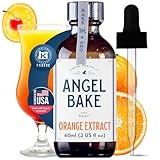
- PURE ORANGE EXTRACT MADE FROM VALENCIA ZEST: Crafted using a 5-fold extraction process, this pure orange extract delivers intense, citrus flavor. Ideal for elevating your recipes, it’s 100% pure and free from synthetic additives or propylene glycol.
- CONVENIENT 2 OZ GLASS BOTTLE FOR HOME USE: This orange extract for baking is packaged in a durable, compact glass bottle with clear liquid inside. Each bottle provides up to 300 servings when using three drops per cup, making it both versatile and long-lasting.
- NATURAL INGREDIENTS AND PURE FLAVOR: Our orange extract is made from Valencia orange zest with no added sugar or artificial aromas. Its Kosher, keto-friendly, vegan, gluten-free, non-GMO formula and contains no propylene glycol, making it a great choice for any kitchen.
- EASY TO USE FOR VARIOUS RECIPES: This orange flavoring extract adds vibrant taste to cakes, cookies, sauces, and cocktails. Store in a cool, dry place and keep away from eyes, heat, and open flames for safe handling and long-term freshness.
- VERSATILE FLAVORING FOR EVERYDAY COOKING: Ideal for adding a citrusy boost to both sweet and savory dishes, this orange extract enhances the flavor of your favorite meals and beverages, from baked goods to marinades and dressings.
Common Mistakes (and What Happens If You Ignore Them)
| Mistake | What It Causes | Fix |
|---|---|---|
| Using too much orange zest/extract | Overpowering, artificial, or soapy taste; coffee flavor is lost. | Start with tiny amounts (1/4 tsp zest or 1-2 drops extract) and increase gradually. |
| Using stale coffee beans | Flat, dull flavor; orange notes won’t pop. | Use beans roasted within the last 2-3 weeks. |
| Incorrect water temperature | Bitter or weak coffee; poor extraction of coffee and orange flavors. | Aim for 195-205°F (90-96°C); let boiling water rest for 30-60 seconds if needed. |
| Inconsistent grind size | Uneven extraction, leading to bitter and sour notes in the same cup. | Use a burr grinder for consistency. Match grind size to your brewing method. |
| Not rinsing paper filters | Papery taste that can mask delicate orange notes. | Rinse paper filters thoroughly with hot water before adding grounds. |
| Over-extraction (too fine a grind/too long) | Bitter, harsh coffee that clashes with the citrus. | Adjust grind size to be coarser or shorten brew time. |
| Under-extraction (too coarse a grind/too short) | Sour, weak coffee with no depth; orange flavor might be thin. | Adjust grind size to be finer or lengthen brew time. |
| Using old or dirty brewing equipment | Off-flavors, stale taste, or mineral buildup that affects extraction. | Clean your brewer regularly and descale as needed. |
| Adding orange peel instead of zest | Can impart bitter pith flavor and be difficult to grind finely and evenly. | Stick to the colorful zest; avoid the white pith. |
| Not tasting and adjusting | Settling for a mediocre flavor profile instead of finding your perfect balance. | Taste critically and make notes for the next brew. |
Decision Rules
Here are some simple rules to help you dial in your orange coffee:
- If your coffee tastes bitter after adding orange, then you likely used too much orange extract or zest, because bitterness can be amplified.
- If the orange flavor is too subtle, then try adding another 1/8 teaspoon of zest or one more drop of extract next time, because you can always add more.
- If your coffee tastes weak and sour, then your grind might be too coarse or your brew time too short, because under-extraction leads to sourness.
- If you’re using a dark roast coffee and the orange flavor is getting lost, then try a lighter roast next time, because lighter roasts have brighter, more distinct flavor notes.
- If you detect a papery taste, then you probably didn’t rinse your paper filter enough, because rinsing removes the papery residue.
- If your coffee tastes “off” or stale, then check your water quality and the cleanliness of your brewer, because these are fundamental to good coffee.
- If you’re using orange extract and it tastes artificial, then you might have used too much, because a little goes a long way and too much can taste chemical.
- If you want a cleaner flavor profile, then a pour-over or Aeropress with a paper filter might be your best bet, because these methods tend to produce a cleaner cup.
- If you’re not getting much aroma from the orange, then try finely grating fresh zest right before brewing, because fresh zest has the most potent aroma.
- If you want to experiment with different citrus, then try lemon zest or a tiny bit of grapefruit zest, because similar citrus fruits can offer unique twists.
FAQ
Can I just throw an orange peel in my coffee maker?
It’s generally not recommended. Orange peels are thicker and can contain bitter oils from the white pith. Finely grated zest is much easier to incorporate evenly into the grounds and provides a cleaner flavor.
How much orange zest should I use?
Start small! For a standard 8-12 oz cup, try about 1/4 to 1/2 teaspoon of finely grated zest. You can always add more next time if it’s not strong enough.
What kind of coffee beans work best with orange flavor?
Lighter to medium roasts often pair well. Think single-origin coffees from Ethiopia or Central America. These beans tend to have brighter, fruitier notes that complement citrus flavors without clashing. Dark roasts can sometimes be too bitter or smoky.
Is it better to use orange zest or orange extract?
Both can work, but they offer different experiences. Zest provides a fresh, natural citrus aroma and flavor. Extract is more concentrated and can be easier to dose precisely, but it can sometimes taste artificial if overused.
Can I add orange flavoring after brewing?
Yes, you can. Some people like to add a tiny bit of orange extract to their brewed coffee. However, adding it to the grounds before brewing allows the flavors to meld more naturally during extraction.
Will this make my coffee taste like orange juice?
No, not if done correctly. The goal is a subtle hint of orange, an aromatic lift, or a complementary citrus note, not a dominant orange flavor that overpowers the coffee itself.
How do I store orange-flavored coffee grounds?
If you mix zest into your grounds, brew them relatively soon after mixing. Zest can start to degrade the coffee over time. For extract, it’s best to add it right before brewing.
Does the type of brewer affect how the orange flavor comes through?
Yes, it can. Methods like pour-over or Aeropress often highlight delicate flavors more clearly than a standard drip machine or a very dark, heavy French press brew.
Can I use dried orange peel?
Dried orange peel can be used, but it’s less potent than fresh zest and can sometimes add a more muted or slightly bitter flavor. If using dried, rehydrate it slightly or grind it very finely.
What This Page Does Not Cover (and Where to Go Next)
- Specific recipes for complex orange-infused coffee drinks (like lattes or mochas).
- Detailed comparisons of different brands of orange extract.
- Advanced techniques for coffee processing that involve citrus.
Next, you might want to explore:
- Other fruit-infused coffee ideas.
- Different brewing methods and their impact on flavor.
- The science of coffee extraction and flavor compounds.