
Espresso Martinis Using Instant Coffee: A Quick Guide
Quick Answer
- Yes, you absolutely can make delicious espresso martinis using instant coffee.
- The key is to dissolve the instant coffee thoroughly in a small amount of hot water to create a concentrated “espresso” shot.
- Use high-quality instant coffee for the best flavor profile.
- Adjust the amount of instant coffee and sweetener to your personal taste.
- Shake vigorously with ice to achieve the signature frothy head.
- Ensure all your ingredients are chilled for a refreshing drink.
Who This Is For
- Home bar enthusiasts looking for a quick and easy way to make espresso martinis without an espresso machine.
- Anyone craving a classic cocktail with a coffee kick but short on time or specialized equipment.
- Those who enjoy experimenting with coffee-based cocktails and want a convenient alternative.
What to Check First
- Instant Coffee Quality: Not all instant coffees are created equal. Opt for a brand specifically marketed as “espresso” or one known for its rich, robust flavor. Avoid overly bitter or artificial-tasting options.
- Water Quality and Temperature: Use filtered water for the best taste. The water should be hot enough to dissolve the instant coffee completely, but not boiling. Around 180-190°F (82-88°C) is usually ideal.
- Sweetener Type and Amount: Granulated sugar, simple syrup, or liqueurs like coffee liqueur or Kahlúa can be used. The amount depends entirely on your preference for sweetness. It’s best to start with less and add more if needed.
- Vodka and Liqueur Quality: While instant coffee is the focus, the quality of your vodka and coffee liqueur will significantly impact the final drink. Choose brands you enjoy.
- Chilling Your Ingredients and Glassware: For the best espresso martini, all components should be cold. This includes your vodka, coffee liqueur, and the martini glass you’ll be serving in.
While instant coffee is the focus, the quality of your vodka and coffee liqueur will significantly impact the final drink. Choose brands you enjoy, like Kahlúa, for a classic touch.
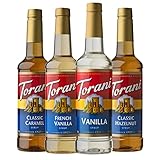
- Coffee Flavor Variety Pack: Perfect for making your own flavored lattes, mochas, cappuccinos and more, this variety pack includes 1 bottle of each: Caramel, French Vanilla, Vanilla and Hazelnut
- Flavoring Syrups: Made with pure cane sugar, natural flavors and cold-filtered water, Torani Original Syrups provide gold-standard flavors and vibrant colors to create amazing drink experiences
- Authentic Coffeehouse Flavor: From caramel to French vanilla to hazelnut—and everything in between—our syrups and sauces are here to help you create tantalizing lattes, cappuccinos, cold brews and frappes
- Find Your Recipe: We are here to help you create tantalizing drinks for every taste, occasion, and mood; Mix up some magic with caramel, lavender, pumpkin pie, hazelnut, chocolate, and many more flavors
- Flavor For All: Discover how Torani can help you make truly creative flavored teas, lemonades, smoothies, milkshakes, Italian sodas, coffees, cocktails, mocktails, snow cones, sparkling waters and more
Step-by-Step: Brewing Your Instant Espresso Martini
1. Prepare the Instant “Espresso”: Measure 1 to 2 teaspoons of high-quality instant coffee into a heatproof glass or small bowl.
- What “good” looks like: The instant coffee granules are visible and ready to be dissolved.
- Common mistake: Using too much instant coffee, which can lead to an overly bitter drink. Avoid this by starting with the recommended amount.
2. Add Hot Water: Pour about 1 ounce (30 ml) of hot, but not boiling, water over the instant coffee.
- What “good” looks like: The water is just hot enough to begin dissolving the coffee granules.
- Common mistake: Using cold water, which won’t dissolve the coffee properly, leaving gritty residue. Ensure the water is sufficiently hot.
3. Stir to Dissolve: Stir the mixture vigorously until all the instant coffee granules are completely dissolved.
- What “good” looks like: A smooth, dark liquid with no visible coffee grounds.
- Common mistake: Not stirring enough, resulting in undissolved coffee at the bottom of your glass. Stir until the liquid is uniform.
4. Chill Your Cocktail Shaker: Fill your cocktail shaker about two-thirds full with ice.
- What “good” looks like: The shaker is packed with ice, ready to chill the drink.
- Common mistake: Using too little ice, which won’t chill the drink effectively. Always use plenty of ice.
5. Add Vodka: Pour 2 ounces (60 ml) of your preferred vodka into the shaker.
- What “good” looks like: The correct volume of vodka is added to the shaker.
- Common mistake: Eyeballing the measurement, which can lead to an unbalanced drink. Use a jigger for accuracy.
6. Add Coffee Liqueur: Pour 1 ounce (30 ml) of coffee liqueur (like Kahlúa) into the shaker.
- What “good” looks like: The coffee liqueur is added, complementing the vodka.
- Common mistake: Over-pouring the liqueur, which can make the drink too sweet or overpower the coffee flavor. Measure carefully.
7. Add Sweetener (Optional): If you prefer a sweeter martini, add ½ ounce (15 ml) of simple syrup or a teaspoon of granulated sugar.
- What “good” looks like: The sweetener is added, ready to be incorporated.
- Common mistake: Adding too much sweetener at once. It’s always better to start with less and adjust after tasting.
8. Add Your Instant “Espresso”: Pour the dissolved instant coffee mixture into the shaker.
- What “good” looks like: The rich, dark liquid is added, ready to be shaken.
- Common mistake: Forgetting to add the dissolved coffee. This would result in a non-espresso martini.
9. Secure the Lid: Ensure the shaker lid is tightly sealed.
- What “good” looks like: A secure seal that prevents leaks.
- Common mistake: Not sealing the shaker properly, leading to spills and a less effective chill. Double-check the lid.
10. Shake Vigorously: Shake the shaker hard for 15-20 seconds. You want to hear the ice rattling.
- What “good” looks like: The outside of the shaker becomes frosty, and the sound of ice is pronounced. This indicates proper chilling and aeration.
- Common mistake: Shaking too gently or for too short a time. This won’t create the desired frothy head or chill the drink sufficiently.
11. Strain into a Chilled Glass: Double-strain (using the shaker’s built-in strainer and a fine-mesh sieve) into a pre-chilled martini glass.
- What “good” looks like: A perfectly chilled martini with a beautiful, frothy head.
- Common mistake: Not double-straining, which can allow small ice chips or coffee particles into the drink, affecting texture.
12. Garnish (Optional): Garnish with three coffee beans or a dusting of cocoa powder.
- What “good” looks like: A visually appealing cocktail, ready to be enjoyed.
- Common mistake: Skipping the garnish, which, while not affecting taste, adds to the presentation.
Common Mistakes (and What Happens If You Ignore Them)
| Mistake | What It Causes | Fix |
|---|---|---|
| Using low-quality instant coffee | Bitter, artificial, or weak coffee flavor; lacks depth. | Invest in a good quality instant coffee, preferably one labeled for espresso or with a rich flavor profile. |
| Not dissolving instant coffee fully | Gritty texture, undissolved grounds at the bottom, uneven flavor distribution. | Stir thoroughly in hot water until completely smooth. |
| Using cold water for dissolving coffee | Coffee won’t dissolve properly, leading to a poor texture and flavor. | Use hot, but not boiling, water to ensure complete dissolution. |
| Insufficient ice in the shaker | Drink is not cold enough, lacks proper dilution, and won’t develop a frothy head. | Fill your shaker at least two-thirds full with ice. |
| Not shaking vigorously enough | Poorly chilled drink, weak frothy head, and diluted flavor. | Shake hard for 15-20 seconds until the shaker is frosty. |
| Not chilling your glassware | Drink warms up too quickly, diminishing the refreshing quality. | Place your martini glass in the freezer for at least 10-15 minutes before serving. |
| Over-sweetening the drink | The coffee and vodka flavors are masked, making the drink cloying. | Start with less sweetener and taste before adding more. |
| Using stale ingredients (vodka/liqueur) | Off-flavors that detract from the overall taste of the martini. | Ensure your spirits and liqueurs are fresh and have not been open for an excessive amount of time. |
| Skipping the double strain | Small ice shards or coffee particles can create an unpleasant texture. | Use both the shaker’s strainer and a fine-mesh sieve for a silky smooth finish. |
| Using too much instant coffee | Overpowering bitterness and an unpleasant aftertaste. | Start with 1-2 teaspoons and adjust to your preference in future batches. |
Decision Rules
- If your instant coffee tastes bitter, then reduce the amount of instant coffee in your next attempt because it’s too concentrated.
- If your martini lacks froth, then shake harder and longer next time because vigorous shaking aerates the drink.
- If your drink is too sweet, then use less coffee liqueur or sweetener in your next batch because sweetness can overpower other flavors.
- If your drink is too watery, then use less ice or shake for a shorter duration because over-dilution weakens the flavor.
- If you don’t have a cocktail shaker, then stir the ingredients with ice in a large glass and strain into your serving glass, but expect less froth because shaking is crucial for aeration.
- If you want a stronger coffee flavor, then use a richer instant coffee or slightly increase the amount, but be cautious of bitterness.
- If your instant coffee is not dissolving, then ensure your water is hot enough (around 180-190°F) because cold water won’t break down the granules.
- If your martini tastes too alcoholic, then increase the amount of coffee liqueur or sweetener slightly in your next attempt to balance the spirit.
- If you want to speed up chilling, then pre-chill your vodka and coffee liqueur in the freezer before mixing.
- If you find the coffee flavor too weak, then try a different brand of instant coffee known for its robust profile.
FAQ
Can I use decaf instant coffee?
Yes, you can use decaf instant coffee if you prefer a cocktail without caffeine. The process remains the same, though the flavor profile might be slightly different depending on the brand.
How do I get the best foam on my espresso martini?
The key to a good foam is vigorous shaking with plenty of ice. Shaking not only chills the drink but also emulsifies the ingredients and introduces air, creating the signature frothy head.
What if I don’t have a coffee liqueur?
You can substitute with a coffee-flavored syrup or add a touch more sugar and a dash of coffee extract. However, a dedicated coffee liqueur will provide the best flavor complexity.
How much sweetener should I use?
This is entirely to your taste. Start with about ½ ounce (15 ml) of simple syrup or one teaspoon of sugar and adjust from there. You can always add more, but you can’t take it away.
Can I make the instant “espresso” ahead of time?
It’s best to dissolve your instant coffee just before you plan to make your martini. While it can be stored briefly, it might lose some of its potency or change in flavor.
What kind of vodka is best for an espresso martini?
A clean, neutral vodka is generally preferred so it doesn’t compete with the coffee flavors. However, feel free to experiment with flavored vodkas if you enjoy them.
Does the type of instant coffee really matter?
Yes, it significantly impacts the final taste. A high-quality instant coffee designed for espresso will yield a much richer and more authentic coffee flavor than a generic brand.
How long should I shake my espresso martini?
Shake vigorously for about 15-20 seconds, or until the outside of your shaker feels very cold and frosty. This ensures proper chilling and aeration for the foam.
What This Page Does Not Cover (And Where to Go Next)
- Traditional Espresso Machine Techniques: This guide focuses on instant coffee. For information on brewing with an espresso machine, explore resources on dialing in shots, tamping, and machine maintenance.
- Advanced Cocktail Crafting: This is a simplified approach. For more complex cocktail variations, techniques like muddling, infusions, or making your own syrups, consult advanced mixology guides.
- Specific Brand Recommendations: While quality matters, this guide avoids naming specific brands. You can find reviews and comparisons of different instant coffees, vodkas, and liqueurs through beverage publications and enthusiast forums.