
Making Iced Coffee from Hot Brew
Quick answer
- Yes, you can brew hot coffee and make it iced coffee, but the method matters for taste.
- For the best flavor, brew coffee double-strength directly over ice.
- If brewing hot first, let it cool significantly before adding ice to avoid dilution.
- Use fresh, quality coffee beans and the correct grind size for your brewing method.
- Ensure your water is clean and at the right temperature for optimal extraction.
- Regularly clean your coffee maker to prevent off-flavors from affecting your iced coffee.
Who this is for
- Home coffee drinkers who want to enjoy iced coffee without special equipment.
- Anyone looking for a quick and easy way to make iced coffee from their existing hot brew setup.
- Coffee enthusiasts who want to understand how brewing methods affect the final iced coffee taste.
What to check first
Brewer type and filter type
Your brewing method (drip, pour-over, French press, etc.) and the type of filter you use (paper, metal, cloth) will influence the body and clarity of your coffee. Paper filters generally produce a cleaner cup, while metal filters allow more oils and fine sediment through.
Water quality and temperature
The water you use is about 98% of your coffee, so its quality is crucial. Filtered water is recommended to avoid mineral tastes or off-flavors from tap water. For hot brewing, aim for water temperatures between 195°F and 205°F for optimal extraction.
Grind size and coffee freshness
The freshness of your coffee beans significantly impacts flavor. Whole beans ground just before brewing offer the most vibrant taste. The grind size should match your brewing method: coarse for French press, medium for drip, and fine for espresso.
Coffee-to-water ratio
A standard starting point for hot coffee is a ratio of 1:15 to 1:18 (coffee to water by weight). For iced coffee made from hot brew, you might need to adjust this ratio, especially if brewing double-strength.
Cleanliness/descale status
A dirty coffee maker can impart stale or bitter flavors into your brew, which will be even more noticeable in iced coffee. Regularly cleaning your brewer and descaling it (if applicable) is essential for good-tasting coffee, hot or cold.
Step-by-step (brew workflow)
Here’s a general workflow for making iced coffee by brewing hot first, with tips for better results:
1. Prepare your ice: Fill a sturdy glass or pitcher about two-thirds full with ice. This is where your hot coffee will cool down.
- What “good” looks like: You have enough ice to chill the coffee quickly without it melting too fast and diluting the drink excessively.
- Common mistake: Not using enough ice.
- How to avoid: Err on the side of more ice. You can always add more later if needed.
To ensure your iced coffee chills quickly and doesn’t get too diluted, make sure you have plenty of ice. Using good quality ice cube trays can help you prepare a sufficient amount.
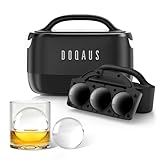
- ✅ Achieve Bar-Quality Clarity with Directional Freezing: Stop settling for cloudy, bubble-filled ice. Our clear ice cube maker utilizes advanced physics to push impurities away, creating 3 crystal-clear spheres and 4 cubes per cycle. It is the secret weapon for the home mixologist wanting presentation-ready drinks without expensive machinery.
- ✅ Preserve Complex Flavors with Slow Dilution: Designed for the purist, this whiskey ice cubes mold produces dense, 2.5-inch ice that melts 40% slower than standard ice. Enjoy your single malt or bourbon chilled but undiluted, ensuring the aromatic profile remains distinct from the first sip to the last.
- ✅ Effortless Release with Premium Hybrid Design: Unlike rigid plastic trays that crack, our flexible silicone ice ball maker mold ensures smooth removal. The non-stick material lets you pop out perfect shapes instantly, making drink preparation seamless for relaxing solo evenings or busy gatherings.
- ✅ Versatile 2-in-1 Capacity for Entertaining: Hosting a cocktail night? This round ice cube mold creates 7 pieces simultaneously, catering to different glass styles. Whether serving an Old Fashioned (sphere) or a Negroni (cube), you will have the right ice shape ready for every guest's preference.
- ✅ The Sophisticated Choice for Gifting: More than just a standard ice mold, this clear ice system is an essential upgrade for any wet bar. Packaged to impress, it creates a tangible experience, making it an ideal gift for fathers, partners, or enthusiasts who value the ritual of a perfectly poured drink.
2. Grind your coffee: Grind your beans to the appropriate size for your brewer. For iced coffee, consider a slightly coarser grind than usual if you’re brewing directly over ice to prevent over-extraction from the prolonged contact time.
- What “good” looks like: Uniformly sized grounds that match your brewing device.
- Common mistake: Using pre-ground coffee that’s too fine or too old.
- How to avoid: Grind fresh beans just before brewing. If using pre-ground, check the date and ensure it’s suitable for your method.
3. Measure your coffee: Use a scale for accuracy. For iced coffee, you’ll often want to brew it stronger than your usual hot coffee. A good starting point is to use about 1.5 to 2 times the amount of coffee grounds you’d normally use for the same volume of water.
- What “good” looks like: Precise measurement of coffee grounds for consistent results.
- Common mistake: Guessing the amount of coffee.
- How to avoid: Invest in a simple kitchen scale.
4. Heat your water: Heat fresh, filtered water to the optimal brewing temperature, typically between 195°F and 205°F.
- What “good” looks like: Water that is hot but not boiling vigorously.
- Common mistake: Using water that is too cool or boiling.
- How to avoid: Use a thermometer or let boiling water sit for about 30 seconds before pouring.
5. Brew the coffee: If brewing directly over ice, pour the hot coffee slowly and steadily over the ice. If brewing a batch of hot coffee to cool later, brew as you normally would.
- What “good” looks like: Even saturation of coffee grounds (for pour-over/drip) or proper steeping (for French press).
- Common mistake: Pouring too quickly, which can lead to uneven extraction or splashing.
- How to avoid: Pour in slow, circular motions.
6. Allow to cool (if brewed hot first): If you brewed a full pot of hot coffee, let it cool down at room temperature for at least 15-30 minutes before pouring it over ice. This helps prevent excessive ice melt and dilution.
- What “good” looks like: The coffee has lost some of its intense heat.
- Common mistake: Pouring piping hot coffee directly onto ice.
- How to avoid: Patience is key. You can also transfer the hot coffee to a heat-safe container and place it in an ice bath to speed cooling.
7. Add coffee to ice: Pour the cooled (or double-strength brewed) coffee over your prepared ice.
- What “good” looks like: The coffee chills rapidly without becoming watery.
- Common mistake: Not pouring over enough ice, leading to a weak, diluted drink.
- How to avoid: Ensure the glass/pitcher is adequately filled with ice before pouring.
8. Stir and adjust: Stir the coffee and ice together. Taste the coffee. If it’s too strong, add a little cold water or milk. If it’s too weak, you might need to brew stronger next time or add more ice.
- What “good” looks like: A balanced flavor that suits your preference.
- Common mistake: Not tasting and adjusting, leading to a less-than-ideal flavor.
- How to avoid: Always taste before deciding it’s “done.”
9. Add sweeteners and milk (optional): Add sugar, simple syrup, milk, or cream to your liking. Simple syrup dissolves better in cold drinks than granulated sugar.
- What “good” looks like: Your desired flavor profile is achieved.
- Common mistake: Adding too much sweetener or milk, overpowering the coffee.
- How to avoid: Start with a small amount and add more gradually.
10. Serve: Enjoy your homemade iced coffee immediately.
- What “good” looks like: A refreshing, delicious beverage.
- Common mistake: Letting it sit too long, causing the ice to melt and dilute the drink.
- How to avoid: Drink it fresh.
Common mistakes (and what happens if you ignore them)
| Mistake | What it causes | Fix |
|---|---|---|
| Brewing hot coffee and pouring directly over ice without cooling | Watery, weak, and diluted iced coffee. Flavors become muted. | Let hot coffee cool significantly at room temperature or use an ice bath before pouring over ice. |
| Not brewing double-strength | Iced coffee tastes like watered-down hot coffee. | Use 1.5 to 2 times the normal amount of coffee grounds for the volume of water when brewing hot to be chilled. |
| Using old or stale coffee beans | Flat, dull, or bitter flavors that are amplified when cold. | Use freshly roasted whole beans and grind them just before brewing. |
| Incorrect grind size | Over-extracted (bitter) or under-extracted (sour) coffee. | Match grind size to your brewer: coarse for French press, medium for drip, fine for espresso. For brewing over ice, consider slightly coarser. |
| Using tap water with off-flavors | Unpleasant mineral or chemical tastes that detract from the coffee. | Use filtered or spring water for brewing. |
| Not cleaning the coffee maker | Stale, rancid, or bitter residues can leach into the coffee. | Clean your coffee maker regularly according to the manufacturer’s instructions. |
| Using too little ice | Coffee cools too slowly, leading to excessive melting and dilution. | Fill your serving glass or pitcher at least two-thirds full with ice before pouring coffee. |
| Adding granulated sugar to cold coffee | Sugar doesn’t dissolve well, leaving gritty residue at the bottom. | Use simple syrup or ensure sugar is fully dissolved in a small amount of hot liquid before adding to cold coffee. |
| Brewing too weak for iced coffee | The final drink lacks coffee flavor and is dominated by ice and additions. | Increase coffee-to-water ratio when brewing hot, or brew directly over ice with a stronger concentration. |
| Not tasting and adjusting | Iced coffee is consistently too strong, too weak, or not sweet enough. | Taste your iced coffee before serving and adjust with cold water, milk, or sweetener as needed. |
Decision rules (simple if/then)
- If your iced coffee tastes watery, then you likely didn’t brew it strong enough or didn’t use enough ice. Try brewing double-strength next time or using more ice.
- If your iced coffee tastes bitter, then your grind might be too fine, or your water was too hot, or the coffee brewed too long. Adjust grind size or water temperature, and consider a faster brewing method.
- If your iced coffee tastes sour, then your grind might be too coarse, or your water was too cool, or you didn’t brew long enough. Adjust grind size or water temperature, and ensure adequate brew time.
- If you’re brewing hot coffee to cool down, then let it cool at room temperature for at least 15-30 minutes before adding ice to minimize dilution.
- If you want to brew directly over ice, then use a slightly coarser grind than usual to prevent over-extraction from the prolonged contact with water.
- If you’re using pre-ground coffee, then ensure it’s fresh and ground for your specific brewing method, as it loses flavor quickly.
- If your coffee maker is not clean, then it will impart off-flavors into your iced coffee, so clean it thoroughly.
- If you want a smoother iced coffee, then consider using a pour-over or drip method with a paper filter, as this removes more sediment and oils.
- If you prefer a richer, fuller-bodied iced coffee, then a French press might be a good option, as its metal filter allows more oils through.
- If you find that granulated sugar doesn’t dissolve well in your iced coffee, then switch to simple syrup for better integration.
- If your iced coffee consistently tastes weak, then increase your coffee dose by 25-50% for your next batch.
- If you’re in a hurry and brewed hot coffee, then place the hot coffee in a metal container and submerge it in an ice bath to cool it down quickly.
FAQ
Can I just pour hot coffee over ice?
Yes, you can, but it’s not ideal for flavor. Pouring very hot coffee directly onto ice will cause the ice to melt rapidly, resulting in a diluted and weak-tasting iced coffee. It’s better to let the coffee cool first or brew it stronger.
How do I make iced coffee stronger?
To make iced coffee stronger, you can increase the amount of coffee grounds you use for the same amount of water, or brew double-strength coffee directly over ice. This compensates for the dilution that occurs when the hot coffee melts the ice.
Will brewing hot coffee and chilling it affect the taste?
Chilling hot coffee can slightly alter its flavor profile, often mellowing some of the brighter notes. The biggest impact on taste comes from how quickly it’s chilled and the resulting dilution. Brewing double-strength or directly over ice helps preserve more of the original coffee flavor.
What kind of coffee beans are best for iced coffee?
Medium to dark roasts are often preferred for iced coffee as their bolder flavors stand up well to ice and potential dilution. However, high-quality light or medium roasts can also make excellent iced coffee, offering brighter, more complex notes. The key is fresh, good-quality beans.
How long does brewed coffee last in the fridge for iced coffee?
Brewed coffee can be stored in the refrigerator for up to 24-48 hours. However, its flavor will degrade over time. For the best taste, it’s recommended to brew coffee specifically for iced coffee or to use it within 24 hours of brewing.
Should I use hot or cold water to brew coffee for iced coffee?
Traditionally, iced coffee is made by brewing with hot water. However, cold brew coffee, which uses cold water and a long steeping time, is another popular method that results in a smoother, less acidic drink. If you’re making iced coffee from hot brew, use hot water.
What’s the difference between iced coffee and cold brew?
Iced coffee is typically made by brewing coffee hot and then chilling it, often over ice. Cold brew coffee is made by steeping coffee grounds in cold water for an extended period (12-24 hours), resulting in a smoother, less acidic concentrate.
How much ice should I use?
You should use enough ice to chill your coffee quickly without it melting too much. A good rule of thumb is to fill your serving glass or pitcher about two-thirds full with ice before pouring the coffee over it.
What this page does NOT cover (and where to go next)
- Specific brand recommendations for coffee makers.
- Detailed instructions for every single type of coffee brewer (e.g., espresso machines).
- Advanced techniques like Japanese iced coffee (flash chilling).
- Recipes for flavored iced coffee drinks.
If you’re interested in exploring further, consider researching:
- Cold brew coffee methods and recipes.
- The impact of water chemistry on coffee flavor.
- Different coffee bean origins and roast profiles for iced beverages.