
Espresso Iced Coffee: A Simple Recipe for a Rich Drink
Quick answer
- Use freshly pulled espresso shots.
- Chill your espresso before mixing.
- Use good quality ice.
- Sweeten and flavor while the espresso is still warm.
- Don’t over-dilute with ice.
- Experiment with milk types.
Who this is for
- Anyone who loves a strong, rich iced coffee.
- Home baristas looking to elevate their cold coffee game.
- People who have an espresso machine and want a quick, delicious treat.
What to check first
Brewer type and filter type
This recipe is all about espresso. So, you need an espresso machine that pulls a good shot. If you’re using a moka pot, that’s fine too, just know it’s not true espresso but a close cousin. Use the right filter for your machine. Metal filters let more oils through, paper filters catch more sediment. It’s a preference thing.
Water quality and temperature
For espresso, water quality matters. If your tap water tastes funky, your espresso will too. Filtered water is usually the way to go. For the iced coffee part, you’ll want your espresso to be hot when you pull it, then cooled down.
Grind size and coffee freshness
This is non-negotiable for espresso. You need a fine, consistent grind. Too coarse, and your shot will be weak and watery. Too fine, and it’ll choke your machine. Freshly roasted beans are key. Coffee starts losing its good stuff the moment it’s roasted. Grind just before you brew. Seriously.
Coffee-to-water ratio
For espresso, a common starting point is a 1:2 ratio. That means for every gram of coffee grounds, you aim for two grams of liquid espresso. So, if you use 18 grams of coffee, you’re looking for about 36 grams of espresso. This is a guideline, though. Dial it in for your taste.
Cleanliness/descale status
A dirty espresso machine is a flavor killer. Old coffee oils go rancid and will make your drink taste bitter or stale. Descale your machine regularly too. Mineral buildup affects temperature and pressure, which messes with your shot. Give your portafilter and basket a good clean after every use.
Step-by-step (brew workflow)
1. Pull your espresso shots.
- What “good” looks like: A rich, dark liquid with a nice crema on top. It should smell amazing.
- Common mistake: Not letting the machine heat up properly. This leads to weak, sour shots. Give it 15-20 minutes if needed.
2. Add sweetener and flavorings (optional).
- What “good” looks like: Your sugar, syrup, or other flavorings are fully dissolved into the hot espresso.
- Common mistake: Trying to dissolve sugar in cold liquid. It just won’t happen. Do it while the espresso is hot.
3. Chill the espresso.
- What “good” looks like: The espresso is cool enough that it won’t melt your ice too fast. You can do this by letting it sit on the counter for a few minutes, or pouring it into a separate container and popping it in the fridge for a bit.
- Common mistake: Pouring hot espresso directly over ice. It’s a recipe for a watery mess. Patience, friend.
4. Prepare your glass.
- What “good” looks like: A clean glass filled with good quality ice. Use larger cubes if you have them; they melt slower.
- Common mistake: Using old or small ice cubes. They melt too fast and dilute your drink.
When preparing your glass, consider using a stylish set of iced coffee glasses to enhance your drinking experience.
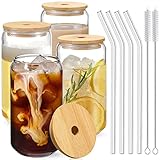
- PRODUCT CONFIGURATION: Drinking glass set includes 4 glass cups [ Diameter - 3 inches, Height - 5.6 inches ],4 nature bamboo lids, 4 reusable glass straws and 2 cleaning brushes, Classic design tumbler
- DURABLE and SAFE: The glasses are made of high-quality durable clear glass, Lead-free and BPA-free. It can be used safely for a long time. This thick clear glass can withstand the sudden changes in the temperature difference between -68°F to 212°F, making them dishwasher safe. If you want to decorate this glass, you can do DIY easily without breakage
- MULTI-PURPOSE: The glassware Great for any Occasion, any hot and cold drinks, home essentials. It is widely loved by families, kitchen, breweries, cafes, bars and restaurants. You can use it to make perfect tea, bubble Pearl Milk Tea, soda, water, iced coffee, smoothie, fruit juice or any other interesting holiday drinks
- AMAZING GIFT: This jar is very fashionable, aesthetic and characteristic. Excellent workmanship. Perfect Gifts for Women, House warming gifts, Tea mug Sets, Highball Glasses, Home Bar Accessories, Birthdays, Graduation, Weddings and Christmas Gifts
- SATISFIED SERVICE: This glass set is packaged in the heavy bubble holder and thick carton box to prevent damage while in transport. If the glass set you received was damaged or imperfect or you are not satisfied, we will offer a satisfactory solution
5. Add milk or cream (optional).
- What “good” looks like: Your chosen milk or cream is in the glass, ready for the espresso.
- Common mistake: Adding milk before the espresso if you want to see that cool layered effect.
6. Pour chilled espresso over ice and milk.
- What “good” looks like: The espresso flows nicely into the glass, creating a beautiful color gradient.
- Common mistake: Dumping it all in at once. Slow and steady wins the race here for visual appeal.
7. Stir gently.
- What “good” looks like: The colors blend together into a delicious-looking drink.
- Common mistake: Stirring too vigorously and splashing. You’re making coffee, not a science experiment.
8. Taste and adjust.
- What “good” looks like: The balance of coffee, sweetness, and milk is just right for you.
- Common mistake: Not tasting! You might be missing the perfect balance. Don’t be afraid to add a splash more milk or a tiny bit more sweetener if needed.
Common mistakes (and what happens if you ignore them)
| Mistake | What it causes | Fix |
|---|---|---|
| Using stale coffee beans | Flat, lifeless flavor; lack of crema; bitter aftertaste. | Buy fresh, whole beans and grind them right before brewing. |
| Incorrect grind size for espresso | Under-extracted (sour, weak) or over-extracted (bitter, burnt). | Dial in your grinder. Start fine and adjust based on shot time and taste. |
| Not preheating the espresso machine | Cold shots that are sour and lack crema. | Let your machine fully heat up, including the portafilter. |
| Adding hot espresso directly to ice | Diluted, watery drink; melted ice makes it less enjoyable. | Chill your espresso first or use less ice and let it melt gradually. |
| Using poor quality water | Off-flavors in your coffee; can also affect machine performance over time. | Use filtered water for brewing. |
| Not cleaning the espresso machine regularly | Rancid coffee oils make the drink taste bitter and stale. | Clean your portafilter and basket after each use; descale your machine as recommended. |
| Over-filling the glass with ice | The drink gets too diluted too quickly, masking the espresso flavor. | Use enough ice to chill, but leave room for milk and espresso without overflow. |
| Not tasting and adjusting | The drink is too sweet, not sweet enough, or the milk/coffee ratio is off. | Always take a small sip before declaring it done. Add a touch more sweetener or milk if needed. |
| Using pre-ground coffee for espresso | Inconsistent extraction, poor flavor, and weak crema. | Invest in a good burr grinder specifically for espresso. |
| Over-tamping or under-tamping grounds | Over-tamping chokes the machine; under-tamping leads to channeling and weak shots. | Aim for consistent, firm pressure. A scale can help you standardize. |
Decision rules (simple if/then)
- If your espresso shot runs too fast (under 20 seconds), then try grinding finer because the coffee grounds are too coarse.
- If your espresso shot runs too slow (over 30 seconds) and tastes bitter, then try grinding coarser because the grounds are too fine.
- If your iced coffee tastes weak, then you might be using too much ice or not enough espresso.
- If your iced coffee is too sweet, then next time use less sweetener or add a splash more milk.
- If you want a richer mouthfeel, then use whole milk or a splash of heavy cream.
- If you prefer a lighter iced coffee, then use skim milk or an unsweetened plant-based milk.
- If your espresso has no crema, then check your bean freshness, grind size, and machine temperature.
- If your drink tastes sour, then your espresso is likely under-extracted, meaning your grind is too coarse or your brew time was too short.
- If you want a more complex flavor, then try adding a dash of vanilla extract or a pinch of cinnamon to the hot espresso.
- If your ice is melting too fast, then use larger ice cubes or chill your espresso more thoroughly before mixing.
- If you’re getting sediment in your drink, then check your espresso filter; a paper filter might be better for your setup.
FAQ
How much espresso should I use for iced coffee?
A good starting point is two shots of espresso (about 2 oz total). You can always add more if you want a stronger coffee flavor.
Can I use cold brew instead of espresso?
You can, but it won’t have the same rich flavor and crema that espresso provides. Cold brew is smoother and less acidic, which is great, but it’s a different profile.
What kind of milk is best for espresso iced coffee?
Whole milk gives a creamy, rich texture. Oat milk is a popular dairy-free option that froths well. Almond milk is lighter. It really depends on your preference.
How do I make it less bitter?
Make sure your espresso is extracted correctly – not too fast or too slow. Also, ensure your machine is clean. If it’s still bitter, try a slightly coarser grind or a different coffee bean.
Can I make this ahead of time?
Yes, you can pull your espresso shots, sweeten them, and chill them in the fridge. Just don’t add the ice and milk until you’re ready to drink it.
What’s the deal with crema?
Crema is the reddish-brown foam on top of a fresh espresso shot. It’s made of oils and CO2 released from the coffee. It adds flavor, aroma, and texture to your espresso, and therefore your iced coffee.
How can I sweeten it without it being too watery?
Dissolve your sweetener (sugar, syrup) in the hot espresso before it cools. This way, it incorporates fully without needing to stir a lot later, which can melt ice.
What this page does NOT cover (and where to go next)
- Detailed troubleshooting for specific espresso machine brands. (Check your machine’s manual.)
- Advanced latte art techniques for iced drinks. (Search for “iced latte art” tutorials.)
- Recipes for homemade coffee syrups and flavored powders. (Look up “DIY coffee syrups.”)
- The science behind coffee bean roasting profiles. (Explore coffee science articles.)
- Comparisons of different types of espresso machines. (Read reviews from coffee publications.)