
Enjoy Coffee On A Keto Diet: Simple Recipes
Quick Answer
- Stick to black coffee, or add heavy cream, MCT oil, or unsalted butter.
- Avoid sugar, milk, and flavored syrups – they’re packed with carbs.
- Measure your ingredients. Consistency is key, especially with keto.
- Use fresh, quality coffee beans. It makes a difference, keto or not.
- Experiment with ratios to find your perfect strength and flavor.
- Keep it simple. Keto coffee doesn’t need to be complicated.
Who This Is For
- Anyone starting or maintaining a ketogenic diet who loves their morning coffee.
- Folks looking for easy ways to make their coffee fit their macros without sacrificing taste.
- People who want to boost their energy and focus with a keto-friendly brew.
What to Check First
Before you even think about brewing, let’s get a few things dialed in. This ain’t rocket science, but a little prep goes a long way.
Brewer Type and Filter Type
What kind of rig are you using? Drip machine, pour-over, French press? Each has its quirks. And the filter? Paper, metal, cloth?
- Paper filters: Great for a clean cup, catching most oils and fine grounds. Might strip out some flavor compounds, though.
- Metal filters: Let more oils and some fines through. Fuller body, but can be a bit silty.
- French press: No filter, just a metal mesh. Maximum oils and body. Expect some sediment.
Water Quality and Temperature
Your coffee is like 98% water. So, yeah, it matters. Tap water can have off-flavors. Filtered water is usually your best bet. For temperature, you want it hot, but not boiling. Aim for around 195-205°F. Too cool, and you get sour coffee. Too hot, and you can scorch it.
Grind Size and Coffee Freshness
Freshly ground beans are king. Pre-ground stuff loses its zing fast. Grind size depends on your brewer. Coarse for French press, medium for drip, fine for espresso. And the beans themselves? Look for a roast date, not a “best by” date. The closer to the roast date, the better.
For the freshest flavor, it’s best to grind your beans right before brewing. A quality coffee bean grinder can make a significant difference in the taste of your keto coffee.
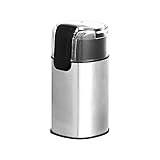
- Electric coffee bean grinder appliance for home use
- Can grind 30 grams/1 ounce of beans for drip coffee brewing in 10 seconds
- Grind coffee beans, herbs, spices, grains, nuts, and more
- Clear safety lid allows you to easily see the results in progress
- Heavy-duty stainless steel grind blade
Coffee-to-Water Ratio
This is where you dial in strength. A good starting point for most methods is a 1:15 to 1:18 ratio (coffee to water). So, for every gram of coffee, use 15-18 grams of water. A kitchen scale is your friend here. For example, 20 grams of coffee to 300-360 grams of water.
Cleanliness/Descale Status
Is your brewer clean? Seriously, when was the last time you scrubbed it? Old coffee oils turn rancid and make your brew taste like… well, old coffee. Descaling your machine regularly is also crucial, especially if you have hard water. Check your brewer’s manual for specific cleaning and descaling instructions.
Step-by-Step: How to Make Your Coffee Keto
Alright, let’s get this done. This is for a basic pour-over, but the principles apply.
1. Heat your water. Get it to that sweet spot, 195-205°F.
- Good looks like: Water steaming, not bubbling furiously.
- Common mistake: Boiling water. It scorches the grounds. Let it sit a minute after it boils.
2. Grind your beans. Medium grind, roughly like coarse sand.
- Good looks like: Even particle size.
- Common mistake: Grinding too fine or too coarse for your method. Too fine clogs filters, too coarse makes weak coffee.
3. Prepare your filter. Place the paper filter in your pour-over cone. Rinse it with hot water.
- Good looks like: Filter is wet, no dry spots.
- Common mistake: Not rinsing the filter. This removes paper taste and preheats your brewer.
4. Discard rinse water. Empty the carafe or mug.
- Good looks like: Empty vessel.
- Common mistake: Forgetting to dump the rinse water. Dilutes your coffee.
5. Add coffee grounds. Put your measured grounds into the rinsed filter. Gently shake to level the bed.
- Good looks like: Even bed of grounds.
- Common mistake: Uneven grounds. Leads to uneven extraction.
6. Bloom the coffee. Pour just enough hot water to saturate all the grounds. Wait 30 seconds.
- Good looks like: Grounds puff up and release CO2 bubbles.
- Common mistake: Skipping the bloom. This allows CO2 to escape, preventing sourness and improving flavor.
7. Begin pouring. Slowly pour the remaining water in concentric circles, avoiding the edges.
- Good looks like: Steady, controlled pour. Water level stays consistent.
- Common mistake: Pouring too fast or all at once. This can cause channeling and uneven extraction.
8. Finish pouring. Aim to finish your pour within 2-3 minutes for a standard pour-over.
- Good looks like: You’ve added all your water.
- Common mistake: Over- or under-extracting by pouring too long or too short.
9. Let it drip. Allow all the water to filter through.
- Good looks like: The dripping has slowed to a trickle.
- Common mistake: Leaving it too long after dripping stops. Can lead to bitter flavors.
10. Remove the filter. Carefully lift the cone and discard the grounds.
- Good looks like: Clean removal.
- Common mistake: Letting it sit and drip into your fresh coffee.
11. Add your keto-friendly ingredients. This is where the magic happens.
- Good looks like: Smooth, creamy additions.
- Common mistake: Adding sugar or milk. Defeats the keto purpose.
12. Stir and enjoy. Give it a good mix until emulsified.
- Good looks like: A well-combined, delicious beverage.
- Common mistake: Not stirring enough. Ingredients can separate.
Common Mistakes (and What Happens If You Ignore Them)
| Mistake | What It Causes | Fix |
|---|---|---|
| Using stale, pre-ground coffee | Weak, bland, or bitter coffee | Buy whole beans and grind them just before brewing. |
| Incorrect water temperature | Sour (too cool) or bitter (too hot) coffee | Use a thermometer or let boiling water sit for 30-60 seconds. |
| Wrong grind size for your brewer | Under-extracted (sour) or over-extracted (bitter) | Adjust grind based on brewer type (coarse for French press, fine for espresso). |
| Not rinsing paper filters | Papery or unpleasant taste in coffee | Rinse filter with hot water before adding grounds. |
| Skipping the bloom | Sour coffee, less flavor complexity | Let grounds bloom for 30 seconds after initial pour. |
| Pouring water too quickly/unevenly | Channeling, uneven extraction, weak coffee | Pour slowly and steadily in concentric circles. |
| Using unfiltered tap water | Off-flavors from chlorine or minerals | Use filtered or bottled water for a cleaner taste. |
| Dirty brewer or old coffee oils | Rancid, stale, unpleasant coffee taste | Clean your brewer regularly and descale as needed. |
| Incorrect coffee-to-water ratio | Coffee too weak or too strong/bitter | Use a scale to measure coffee and water (start around 1:16). |
| Adding non-keto ingredients (sugar, milk) | Kicks you out of ketosis, adds unnecessary carbs | Stick to heavy cream, MCT oil, butter, or unsweetened nut milks. |
Decision Rules
- If your coffee tastes sour, then your water was likely too cool or your grind was too coarse, because extraction wasn’t complete.
- If your coffee tastes bitter, then your water was likely too hot, your grind was too fine, or you over-extracted, because you burned the grounds or pulled out too many bitter compounds.
- If your coffee tastes weak, then you used too little coffee or your grind was too coarse, because not enough flavor was extracted.
- If your coffee tastes muddy, then your grind was too fine for your filter or you used a metal filter without proper technique, because too many fine particles made it through.
- If you’re adding cream, then ensure it’s heavy cream or a keto-approved alternative like unsweetened almond milk, because regular milk has too much sugar.
- If you’re adding sweetener, then use a keto-friendly option like stevia or erythritol, because sugar will break your fast and carb count.
- If you want to boost energy, then consider adding MCT oil, because it’s a readily available source of ketones.
- If you’re using a French press, then use a coarser grind and don’t press too hard, because fine grounds will escape the filter and make it gritty.
- If you’re making bulletproof coffee, then blend the ingredients thoroughly until emulsified, because this creates a smooth, frothy texture.
- If you’re unsure about your water, then use filtered water, because it eliminates potential off-flavors from your tap.
FAQ
Q: Can I just drink black coffee on keto?
A: Absolutely. Black coffee is naturally zero carbs and zero calories, making it perfectly keto-friendly. It’s a great way to start your day.
Q: What kind of cream is best for keto coffee?
A: Heavy whipping cream is ideal. It has a high fat content and very low carbs. Make sure to check the label for carb counts, as some brands might add sugars.
Q: What is MCT oil and why do people add it to keto coffee?
A: MCT stands for Medium-Chain Triglycerides. They are fats that are quickly absorbed and converted into ketones by your liver, providing a rapid energy source. Many people find it boosts focus and satiety.
Q: Can I use unsweetened almond milk or coconut milk?
A: Yes, in moderation. Unsweetened versions of these plant-based milks are generally low in carbs and can be a good alternative if you don’t like cream. Always check the nutrition label.
Q: What about artificial sweeteners? Are they okay for keto coffee?
A: Many keto dieters use non-caloric sweeteners like stevia, erythritol, or monk fruit. Just be mindful of how your body reacts to them, as some people experience digestive issues or cravings.
Q: How much coffee can I have per day on keto?
A: There’s no strict limit on coffee itself, as long as what you add to it fits your daily carb macro. Many people on keto enjoy 1-3 cups a day.
Q: Does bulletproof coffee count as fasting?
A: If you’re strictly “fasting” for metabolic benefits or a medical reason, adding fats like butter or MCT oil can break your fast because they are metabolized for energy. However, for intermittent fasting aimed at calorie restriction, it’s often considered acceptable.
Q: My keto coffee tastes oily. What did I do wrong?
A: This usually happens if the fats (like butter or MCT oil) aren’t fully emulsified. Try blending your coffee with the added ingredients for a longer time, or use a milk frother for a smoother texture.
What This Page Does Not Cover (And Where to Go Next)
- Specific brands of coffee beans or brewing equipment.
- Detailed explanations of different coffee brewing methods (like Aeropress, siphon, etc.).
- Advanced brewing techniques for competitive baristas.
- The science behind caffeine’s effect on ketosis.
- Recipes for keto desserts or other keto meals.
For more on brewing, check out guides on specific brewer types. For keto recipes, look for dedicated keto cookbooks or websites.