
Enhance Coffee With Homemade Flavored Syrups
Quick answer
- Homemade syrups let you control ingredients and sweetness.
- Simple syrup is the base: equal parts sugar and water, heated until dissolved.
- Infuse flavors by simmering fruits, spices, or extracts in the syrup.
- Cool completely before storing in airtight containers.
- Start with a small amount in your coffee; you can always add more.
- Experiment with different flavor combinations.
Who this is for
- Coffee lovers who like a little sweetness and flavor in their morning cup.
- Home baristas looking to elevate their coffee game without store-bought additives.
- Anyone who wants to avoid artificial ingredients and high sugar counts in their coffee.
What to check first
Brewer type and filter type
Your brewing method matters. A French press will give you a bolder cup than a drip machine. Paper filters catch more oils than metal ones. This affects the overall coffee flavor profile. You want to complement, not compete with, your coffee.
Water quality and temperature
Bad water makes bad coffee. Seriously. Use filtered water if your tap water tastes off. For most brewing, aim for water between 195-205°F. Too hot can scorch the grounds; too cool leads to weak coffee.
Grind size and coffee freshness
Freshly ground beans are a game-changer. Grind right before you brew. The grind size depends on your brewer – coarse for French press, medium for drip, fine for espresso. Stale coffee tastes flat, no matter what syrup you add.
Coffee-to-water ratio
This is your foundation. A good starting point is 1:15 to 1:18 (coffee to water by weight). So, for 30 grams of coffee, use about 450-540 grams of water. Get this right, and your coffee will have a solid base flavor.
Cleanliness/descale status
Your brewer needs to be clean. Old coffee oils go rancid and will ruin the taste. Descale your machine regularly, especially if you have hard water. A clean brewer means pure coffee flavor, ready for your syrup.
Step-by-step (brew workflow)
1. Gather your ingredients: Fresh coffee beans, filtered water, your chosen syrup.
- What “good” looks like: Everything is ready to go. No last-minute scrambling.
- Common mistake: Realizing you’re out of coffee beans after heating the water. Avoid this by doing a quick inventory.
2. Grind your coffee beans: Use the correct grind size for your brewer.
- What “good” looks like: Uniform grounds. No dust or giant chunks.
- Common mistake: Grinding too fine for a drip machine, leading to bitter coffee. Use a burr grinder for consistency.
3. Heat your water: Aim for 195-205°F.
- What “good” looks like: Water is hot but not boiling furiously.
- Common mistake: Using boiling water, which can over-extract the coffee and make it taste burnt. Let it sit for 30 seconds after boiling.
4. Prepare your brewer: Add your filter (if using) and rinse with hot water.
- What “good” looks like: Filter is seated properly, and the brewer is preheated.
- Common mistake: Forgetting to rinse paper filters, leaving a papery taste.
5. Add coffee grounds: Measure your grounds into the brewer.
- What “good” looks like: Grounds are evenly distributed.
- Common mistake: Tamping down grounds too much in a pour-over, restricting water flow. Just level them gently.
6. Bloom the coffee (for pour-over/drip): Pour just enough hot water to saturate the grounds. Wait 30 seconds.
- What “good” looks like: Grounds puff up and release CO2.
- Common mistake: Skipping the bloom, resulting in less flavorful coffee. This step lets gases escape for better extraction.
7. Brew your coffee: Pour the remaining water according to your brewer’s method.
- What “good” looks like: A steady, controlled pour. The coffee is extracting evenly.
- Common mistake: Pouring too fast or too slow, which affects extraction. Aim for a consistent flow.
8. Let it finish brewing: Allow all the water to pass through.
- What “good” looks like: The dripping has slowed to a stop.
- Common mistake: Leaving the brewer on the grounds too long (especially with French press), leading to over-extraction and bitterness.
9. Pour your coffee: Into your favorite mug, of course.
- What “good” looks like: A rich, aromatic cup of coffee.
- Common mistake: Not preheating your mug, which cools your coffee down too quickly.
10. Add your homemade syrup: Start with a small amount.
- What “good” looks like: The syrup integrates well, enhancing the coffee without overpowering it.
- Common mistake: Drowning your coffee in syrup, masking the coffee’s natural flavor. You can always add more.
11. Stir and enjoy: Give it a gentle stir.
- What “good” looks like: The syrup is fully mixed.
- Common mistake: Not stirring, leaving a concentrated syrup layer at the bottom.
Common mistakes (and what happens if you ignore them)
| Mistake | What it causes | Fix |
|---|---|---|
| Using stale coffee beans | Flat, lifeless coffee taste | Buy beans roasted within the last few weeks and grind fresh. |
| Incorrect grind size | Bitter (too fine) or weak (too coarse) coffee | Adjust grind based on your brewing method. Use a burr grinder. |
| Water too hot or too cold | Burnt/bitter (too hot) or weak/sour (too cold) | Use a thermometer or let boiling water sit for 30 seconds. |
| Dirty brewer/grounds | Off-flavors, rancid taste | Clean your brewer thoroughly after each use. Descale regularly. |
| Over-extraction | Bitter, astringent coffee | Shorten brew time, use a coarser grind, or pour water slower. |
| Under-extraction | Sour, weak, thin coffee | Lengthen brew time, use a finer grind, or pour water faster. |
| Using tap water with bad taste | Unpleasant coffee flavor | Use filtered or bottled water. |
| Adding too much syrup initially | Overly sweet, syrupy coffee that hides bean flavor | Start with 1-2 teaspoons and adjust to taste. |
| Not stirring syrup into coffee | Syrupy sludge at the bottom of the mug | Stir thoroughly until the syrup is fully incorporated. |
| Storing homemade syrup improperly | Mold or spoilage | Store in an airtight container in the refrigerator. |
Decision rules (simple if/then)
- If your coffee tastes bitter, then try a coarser grind because a finer grind can over-extract.
- If your coffee tastes weak or sour, then try a finer grind because a coarser grind can under-extract.
- If you’re using a French press, then use a coarse grind because fine grounds will pass through the filter.
- If you’re using an espresso machine, then use a fine grind because it needs resistance for proper extraction.
- If your coffee has an off-flavor, then clean your brewer thoroughly because old oils can go rancid.
- If you want to taste the coffee’s natural notes, then use less syrup or a milder syrup flavor because strong flavors can mask the coffee.
- If your homemade syrup separates, then try adding a tiny bit of alcohol (like vodka) as a preservative, or just make smaller batches more often.
- If you’re making a fruit-based syrup, then strain out the solids thoroughly to avoid pulp in your coffee.
- If you find your coffee is too sweet even with a small amount of syrup, then consider making a less sweet syrup recipe next time.
- If you want a more complex flavor, then combine two complementary syrup flavors, like vanilla and hazelnut.
FAQ
How do I make a basic flavored syrup?
Combine equal parts granulated sugar and water in a saucepan. Heat gently, stirring until the sugar is completely dissolved. Remove from heat and stir in your chosen flavoring (like vanilla extract, cinnamon sticks, or citrus zest). Let it steep, then strain and cool.
To get started, consider picking up a basic set of homemade syrup ingredients to experiment with different flavor profiles.

- AUTHENTIC PUMPKIN SPICE FLAVOR: Portland Syrups Pumpkin Spice Syrup is crafted with real organic pumpkin, cinnamon, brown sugar, and ginger, delivering a true taste of autumn in every drop. Perfect for enhancing lattes, cocktails, and baked goods, our syrup brings a rich and warming flavor to your favorite recipes, making every sip or bite feel like a cozy fall day.
- ORGANIC INGREDIENTS: Made with only the finest organic ingredients, including organic pumpkin, organic ginger, and organic cane sugar, Portland Syrups ensures that you’re enjoying a natural and high-quality syrup. Free from artificial flavors and preservatives, this syrup is a healthier option for those who value quality in their culinary creations.
- VERSATILE & EASY TO USE: Whether you're stirring it into coffee, blending it into cocktails, or drizzling it over desserts, Portland Syrups Pumpkin Spice Syrup adds a deliciously festive twist to any dish. Its smooth consistency and rich flavor make it a versatile addition to your pantry, perfect for both everyday use and special occasions.
- CONCENTRATED & LONG-LASTING: Just a small amount of Portland Syrups Pumpkin Spice Syrup goes a long way, thanks to its concentrated formula. With 24 servings per 12 oz bottle, this syrup is designed to last, providing ample flavoring for your favorite beverages and recipes, while ensuring every drop delivers maximum taste.
- ARTISANALLY MADE IN SMALL BATCHES: Portland Syrups prides itself on creating products with care and craftsmanship. This Pumpkin Spice Syrup is made in small batches to maintain its quality and freshness, ensuring that each bottle meets the highest standards of flavor and consistency. Enjoy a product that’s as thoughtfully made as it is delicious.
What are good flavor combinations for coffee syrup?
Classic pairings include vanilla, hazelnut, caramel, and mocha. You can also get creative with cinnamon, ginger, cardamom, lavender, or even a hint of mint.
How long do homemade syrups last?
Properly stored in an airtight container in the refrigerator, most simple syrups last about 2-3 weeks. Syrups with fruit or dairy might have a shorter shelf life. Always check for signs of spoilage.
To ensure your homemade syrups last as long as possible, invest in some quality airtight storage containers for refrigeration.

- #1 Brand Pick for Meal Prep Containers: Bentgo is the top pick for meal prep containers!* This 20-piece set includes 10 round 32 fl oz containers and 10 leak-proof twist-top lids, perfect for packing nutritious meals for the entire week while keeping food fresh and ready to enjoy anytime.
- Leak-Proof, Twist-Top Lids: Keep meals fresh and mess-free with airtight, leakproof lids. Perfect for soups, overnight oats, and more, they lock in freshness and prevent spills. Lids are stackable, and containers nest together to save space and keep your kitchen organized.
- Heat, Freeze, and Clean with Ease: These durable deli containers are microwave, freezer, and dishwasher safe, making meal prep a breeze. Perfect for storing and freezing broths, soups, and liquids, they’re also great for reheating leftovers. Simply remove the lid when microwaving for hassle-free meals!
- Durable, Reusable & Eco-Friendly: Say goodbye to single-use plastics. Crafted from food-safe materials free of PFAS and BPA, these long-lasting meal prep containers are built to withstand daily use. Their stackable, space-saving design ensures easy storage and keeps your kitchen organized.
- What You Get: 10 cylinder food containers, 10 twist-top lids, and caring customer support.
Can I use alternative sweeteners?
Yes, you can experiment with honey, maple syrup, or agave, but they will alter the flavor and sweetness profile. You might need to adjust the ratios. Sugar is generally the most neutral base.
What kind of sugar should I use?
Granulated white sugar is the standard for simple syrup because it dissolves easily and has a neutral flavor. You can use cane sugar for a slightly richer taste.
How much syrup should I add to my coffee?
Start small, maybe 1-2 teaspoons for an 8-12 oz cup. You can always add more. The goal is to complement the coffee, not overpower it.
If you’re looking for inspiration or want to try some classic combinations, explore various coffee syrup flavors to find your favorites.
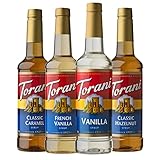
- Coffee Flavor Variety Pack: Perfect for making your own flavored lattes, mochas, cappuccinos and more, this variety pack includes 1 bottle of each: Caramel, French Vanilla, Vanilla and Hazelnut
- Flavoring Syrups: Made with pure cane sugar, natural flavors and cold-filtered water, Torani Original Syrups provide gold-standard flavors and vibrant colors to create amazing drink experiences
- Authentic Coffeehouse Flavor: From caramel to French vanilla to hazelnut—and everything in between—our syrups and sauces are here to help you create tantalizing lattes, cappuccinos, cold brews and frappes
- Find Your Recipe: We are here to help you create tantalizing drinks for every taste, occasion, and mood; Mix up some magic with caramel, lavender, pumpkin pie, hazelnut, chocolate, and many more flavors
- Flavor For All: Discover how Torani can help you make truly creative flavored teas, lemonades, smoothies, milkshakes, Italian sodas, coffees, cocktails, mocktails, snow cones, sparkling waters and more
Why does my syrup taste grainy?
This usually happens if the sugar isn’t fully dissolved or if the syrup crystallizes during cooling. Make sure to heat gently and stir until fully dissolved, and avoid boiling the syrup vigorously.
Can I make sugar-free coffee syrups?
Yes, you can use sugar substitutes like erythritol or xylitol, but the texture and sweetness levels might differ. You may need to adjust the ratios or add a thickener.
What this page does NOT cover (and where to go next)
- Specific recipes for every imaginable syrup flavor. (Look for “coffee syrup recipes” online.)
- Detailed breakdown of coffee extraction science. (Explore coffee brewing guides.)
- Commercial coffee maker reviews and comparisons. (Check out coffee equipment review sites.)
- Advanced latte art techniques. (Search for “latte art tutorials”.)
- The history of coffee or flavored beverages. (Dive into coffee history books or articles.)