
Easy Salted Caramel Syrup For Coffee
Quick answer
- Simmer sugar, water, and butter until golden.
- Stir in cream and salt.
- Let it cool.
- Store in an airtight container in the fridge.
- Adjust salt to your taste.
- Use within a few weeks.
Who this is for
- Anyone who loves that sweet, salty caramel kick in their morning brew.
- Home baristas looking to elevate their coffee game without a fancy setup.
- Folks who want a simple, homemade syrup that tastes way better than store-bought.
What to check first
- Ingredients: Make sure you have granulated sugar, water, unsalted butter, heavy cream, and good quality salt. Don’t skimp on the cream; it makes a difference.
- Pot: A heavy-bottomed saucepan is your best friend here. It distributes heat evenly, preventing scorching.
- Heat Source: You need reliable, controllable heat. Medium-low to medium is usually the sweet spot.
For best results, ensure you’re using a heavy-bottomed saucepan; this helps distribute heat evenly and prevents your caramel from scorching. This one is a great option.
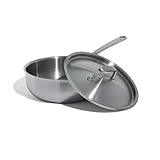
- Total Diameter: 10” | Cooking Surface Diameter: 7 | Height (with handle): 4.5” | Depth: 3.5” | Length (to end of handle): 18.25”
- Essential for Every Kitchen - The Made In Stainless Clad Sauce Pan is a must-have kitchen tool, offering maximum heat control, responsiveness, and versatility to elevate your cooking experience
- Superior Quality - Made from 5 layers of premium metal for professional-quality heat distribution
- Stay Cool Handle - Meticulously crafted to stay cool while cooking and fastened with stainless steel rivets for a lifetime of use
- Induction Cooktop Compatible - With a top layer of 430 stainless steel, these Stainless Clad Pots and Pans work effortlessly with any cooktop, including induction
Step-by-step (brew workflow)
1. Combine Sugar and Water: Dump 1 cup of granulated sugar and 1/2 cup of water into your saucepan.
- Good looks like: The sugar is mostly submerged in the water. It might look a little cloudy, and that’s fine.
- Common mistake: Trying to stir too much at this stage. Resist the urge. Stirring can cause sugar crystals to form and make your syrup grainy. Just give it a gentle swirl if needed.
2. Heat and Dissolve: Place the pot over medium heat. Stir only until the sugar is dissolved.
- Good looks like: You see no more sugar granules at the bottom. The liquid is clear.
- Common mistake: Over-stirring after the sugar dissolves. Again, let it be.
3. Boil and Caramelize: Stop stirring and let the mixture boil. Watch it closely. It will start to bubble.
- Good looks like: The syrup turns a nice amber or golden-brown color. This is where the caramel magic happens. Keep an eye on it; it can go from perfect to burnt in seconds.
- Common mistake: Walking away. Seriously, don’t. This is the most critical phase. If it gets too dark, it’ll taste bitter.
4. Add Butter: Once it’s the color you like, carefully whisk in 6 tablespoons of unsalted butter, cut into pieces.
- Good looks like: The butter melts and incorporates smoothly. The mixture will bubble up a bit, like a mini volcano. Don’t panic.
- Common mistake: Adding the butter too quickly or not whisking fast enough. This can cause splattering. Lower the heat slightly if it gets too wild.
When adding the unsalted butter, make sure it’s cut into pieces for easier incorporation. Using good quality unsalted butter really makes a difference in the final flavor.

- UNSALTED BUTTER: Each package comes with 4 sticks of Vital Farms Unsalted Butter made with cream from cows raised on family farms.
- 90% GRASS-FED: The girls enjoy a diet of 90% grass, while the remaining 10% is nutritionally balanced feed to ensure a well-rounded diet.
- PASTURE-RAISED: The farmers we work with raise their four-legged ladies with care and respect on family farms where cows enjoy outdoor access 200 days per year on average.
- HIGH BUTTERFAT: The girls supply a rich cream that’s churned into creamy, melt-in-your mouth butter
- CONSCIOUS CAPITALISM: Vital Farms is a Certified B Corporation with a purpose to improve the lives of people, animals, and the planet through food.
5. Add Cream: Slowly pour in 1/2 cup of heavy cream while whisking constantly.
- Good looks like: The cream is fully incorporated, and the syrup is smooth and thickened. It will still be quite hot and liquidy.
- Common mistake: Adding the cream too fast. This can cause the syrup to seize up or splatter aggressively. Pour it in a thin stream.
6. Add Salt: Stir in 1/2 teaspoon of salt. Taste and add more if you like it saltier.
- Good looks like: The salt dissolves. The flavor profile starts to come alive.
- Common mistake: Not tasting. Salt is key to balancing the sweetness. You might think you want more, or less. Your taste buds know best.
7. Simmer Briefly: Let it simmer gently for another minute or two, stirring occasionally.
- Good looks like: The syrup has thickened slightly more. It should coat the back of a spoon.
- Common mistake: Boiling it too long. This can make it too thick when it cools.
8. Cool Down: Remove the pot from the heat and let it cool completely.
- Good looks like: The syrup has cooled significantly and has a syrupy consistency. It will continue to thicken as it cools.
- Common mistake: Trying to use it while it’s piping hot. It’s still dangerous and won’t have the right texture.
9. Store: Pour the cooled syrup into an airtight container or jar.
- Good looks like: The syrup is safely stored, ready for its coffee debut.
- Common mistake: Leaving it out. It needs to be refrigerated to last.
Common mistakes (and what happens if you ignore them)
| Mistake | What it causes | Fix |
|---|---|---|
| Stirring after sugar dissolves | Grainy or crystallized syrup | Swirl the pot gently; avoid vigorous stirring. |
| Walking away during caramelization | Burnt, bitter syrup | Stay by the stove, watch color closely, remove from heat immediately. |
| Adding butter or cream too fast | Splattering, seizing, uneven texture | Add ingredients slowly while whisking constantly. Lower heat if needed. |
| Using low-quality ingredients | Muted flavor, off-notes | Use good butter, heavy cream, and decent salt. |
| Not tasting and adjusting salt | Overly sweet or unbalanced flavor | Taste and adjust salt to your preference before it cools completely. |
| Not letting it cool enough before storing | Syrup can be too thin or unsafe to handle | Allow syrup to cool significantly before transferring to storage. |
| Storing in a non-airtight container | Syrup can develop off-flavors or dry out | Use a sealed jar or container. |
| Over-boiling after adding cream | Syrup becomes too thick and hard when cold | Simmer briefly, just until slightly thickened. |
Decision rules (simple if/then)
- If the sugar mixture is not dissolving, then increase the heat slightly and stir gently because it needs enough heat to break down.
- If the sugar mixture starts to turn brown too quickly, then immediately remove it from the heat because it’s about to burn.
- If the syrup is bubbling up aggressively when adding butter or cream, then lower the heat and whisk more carefully because you want to incorporate them smoothly, not cause a mess.
- If the syrup looks too thin after cooling, then it might have been boiled too long; you can try gently reheating and adding a tiny bit more cream, but it’s often best to just accept it and use it quickly.
- If the syrup tastes too sweet, then next time, increase the salt amount because salt balances sweetness.
- If the syrup is too bitter, then it was likely burnt; you’ll need to start over and be more watchful during caramelization.
- If you want a thinner syrup, then add a tablespoon or two of hot water after it has cooled slightly, stirring until combined.
- If you want a thicker syrup, then next time, simmer it for an extra minute or two after adding the cream, but be cautious not to overdo it.
- If the syrup hardens like candy when it cools, then you likely boiled it too long or used too much sugar relative to liquid; try adding a bit of hot water to loosen it.
FAQ
How long does this syrup last?
Stored properly in an airtight container in the refrigerator, it should last for about 2-3 weeks.
Can I use different types of sugar?
Granulated white sugar is best for achieving the right caramel color and texture. Other sugars might behave differently during caramelization.
What kind of salt should I use?
Sea salt or kosher salt works great. Avoid iodized table salt if possible, as it can sometimes have a metallic aftertaste.
My syrup is too thick. What happened?
It was likely boiled for too long after adding the cream. You can try gently reheating it and stirring in a tablespoon of hot water to thin it out.
My syrup is too thin. What happened?
It might not have been boiled long enough, or you might have added too much liquid. It will thicken slightly as it cools, but if it’s still too thin, it’s best to use it as is or try reducing it slightly on low heat (carefully!).
Can I make this dairy-free?
You could try using a plant-based butter and a full-fat coconut milk or oat milk instead of heavy cream, but the texture and flavor might change. It’s worth experimenting with if you have dietary needs.
How much syrup should I use in my coffee?
Start with 1-2 tablespoons per 8-ounce cup of coffee and adjust to your taste. It’s potent!
What this page does NOT cover (and where to go next)
- Advanced caramel techniques like using a candy thermometer for precise sugar stages.
- Making sugar-free or diet versions of caramel syrup.
- Infusing the syrup with other flavors like vanilla or spices.
- Troubleshooting specific equipment issues beyond general advice.