
Easy Caramel Sauce for Your Iced Coffee
Quick answer
- Sugar, butter, and cream are your friends here.
- Low and slow is the name of the game for smooth caramel.
- Don’t rush the cooling process.
- A pinch of salt? Yeah, that’s a good idea.
- Store it in a sealed container in the fridge.
- Reheat gently when you’re ready for that sweet drizzle.
Who this is for
- Coffee lovers who crave a little extra sweetness.
- Home baristas looking to up their iced coffee game.
- Anyone who thinks store-bought caramel sauce is just… fine.
What to check first
Your Ingredients
You need sugar (granulated white is best for beginners), unsalted butter, and heavy cream. Make sure your cream is full-fat; it’s crucial for that rich texture. Cold butter straight from the fridge is also a good move.
Your Pot
A heavy-bottomed saucepan is your best bet. This helps distribute heat evenly, preventing hot spots that can scorch your sugar. Stainless steel or enameled cast iron works great.
A heavy-bottomed saucepan is your best bet for making caramel sauce. This type of pot ensures even heat distribution, which is crucial for preventing scorching and achieving a smooth, delicious result.
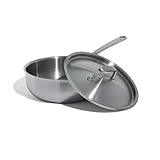
- Total Diameter: 10” | Cooking Surface Diameter: 7 | Height (with handle): 4.5” | Depth: 3.5” | Length (to end of handle): 18.25”
- Essential for Every Kitchen - The Made In Stainless Clad Sauce Pan is a must-have kitchen tool, offering maximum heat control, responsiveness, and versatility to elevate your cooking experience
- Superior Quality - Made from 5 layers of premium metal for professional-quality heat distribution
- Stay Cool Handle - Meticulously crafted to stay cool while cooking and fastened with stainless steel rivets for a lifetime of use
- Induction Cooktop Compatible - With a top layer of 430 stainless steel, these Stainless Clad Pots and Pans work effortlessly with any cooktop, including induction
Your Tools
A whisk and a heat-resistant spatula are essential. You’ll also need a clean jar or container for storage.
Step-by-step (how to make caramel sauce for iced coffee)
1. Melt the Sugar: Pour your granulated sugar into the dry, heavy-bottomed saucepan. Put it over medium heat.
- What “good” looks like: The sugar starts to melt around the edges, turning amber.
- Common mistake: High heat. This can burn the sugar quickly. Keep it medium and be patient.
2. Watch it Melt: Let the sugar melt and turn a deep amber color. You can gently swirl the pan to help it melt evenly, but try not to stir with a utensil just yet.
- What “good” looks like: The sugar is fully liquid and has a rich, caramel hue.
- Common mistake: Stirring too early. This can cause the sugar to clump. Swirling is okay.
3. Add the Butter: Once the sugar is fully melted and amber, carefully add the cold, cubed butter. It will bubble up vigorously.
- What “good” looks like: The butter melts into the caramel, creating a smooth, foamy mixture.
- Common mistake: Adding butter too fast or not being ready for the steam. Stand back a bit.
4. Whisk it In: Whisk the butter into the caramel until it’s fully incorporated. The bubbling should start to subside.
- What “good” looks like: A smooth, homogenous liquid. No visible chunks of butter.
- Common mistake: Not whisking enough. You want that butter fully blended.
5. Pour in the Cream: Slowly and carefully pour in the heavy cream. Again, it will bubble up a lot.
- What “good” looks like: The cream integrates into the mixture, creating a less viscous liquid.
- Common mistake: Adding cold cream to very hot sugar. This can cause seizing. Warm cream can help, but cold works if you’re careful.
6. Whisk Until Smooth: Whisk constantly until the caramel sauce is smooth and glossy.
- What “good” looks like: A uniform, thick sauce with no lumps.
- Common mistake: Over-whisking and incorporating too much air, which can make it foamy. Gentle, consistent whisking is key.
7. Add Salt (Optional but Recommended): Stir in a pinch of salt. This enhances the caramel flavor and balances the sweetness.
- What “good” looks like: The salt is dissolved.
- Common mistake: Skipping the salt. It really does make a difference.
8. Simmer Briefly: Let the sauce simmer gently for about a minute, whisking occasionally. This helps thicken it slightly.
- What “good” looks like: The sauce has thickened a bit more and looks glossy.
- Common mistake: Boiling it too hard or too long. You don’t want it to become hard candy.
9. Cool Down: Remove the saucepan from the heat. Let the caramel sauce cool in the pan for about 10-15 minutes. It will thicken considerably as it cools.
- What “good” looks like: The sauce is still pourable but starting to get thicker.
- Common mistake: Pouring it into storage immediately. It needs time to cool and thicken properly.
10. Transfer to Storage: Carefully pour the cooled caramel sauce into a clean, airtight jar or container.
- What “good” looks like: A smooth, thick sauce in your storage container.
- Common mistake: Storing it while too hot. Let it cool sufficiently before sealing.
Common mistakes (and what happens if you ignore them)
| Mistake | What it causes | Fix |
|---|---|---|
| Using high heat on sugar | Burnt, bitter caramel sauce | Use medium heat and be patient. |
| Stirring sugar too early | Sugar clumps and won’t melt smoothly | Swirl the pan; wait until it’s mostly melted before whisking. |
| Adding butter too fast | Splattering, potential burns, uneven incorporation | Add butter slowly, in batches, and stand back. |
| Not whisking butter fully | Greasy spots in the caramel | Whisk until butter is completely dissolved. |
| Adding cold cream to hot sugar | Caramel seizes, becomes hard and clumpy | Add cream slowly, whisking constantly; warm cream can help prevent this. |
| Over-whisking after adding cream | Too much air incorporated, sauce becomes foamy | Whisk just until smooth and incorporated. |
| Skipping the salt | Less complex flavor, too sweet | Add a pinch of salt to balance sweetness and enhance caramel notes. |
| Boiling too long | Caramel becomes too thick, hardens when cooled | Simmer for only a minute or two after adding cream. |
| Storing too hot | Steam can build up, potentially affecting texture | Let sauce cool for at least 10-15 minutes before storing. |
| Not using a heavy-bottomed pot | Uneven heating, scorching, burnt spots | Use a sturdy, heavy-bottomed saucepan for even heat distribution. |
Decision rules (simple if/then)
- If the sugar is burning (smells acrid, dark smoke), then discard it and start over because burnt sugar cannot be salvaged.
- If the caramel seizes up after adding cream, then gently reheat it over low heat, whisking constantly, because sometimes it just needs a little coaxing to smooth out.
- If the sauce seems too thin after cooling, then gently simmer it for another minute or two, stirring constantly, because it will thicken as it cools further.
- If the sauce is too thick after cooling, then stir in a tablespoon of warm cream or milk, a little at a time, because you can always thin it out.
- If you want a deeper flavor, then let the sugar get a little darker amber before adding butter and cream because darker caramel has more complex notes.
- If you’re worried about splattering, then use a deep pot and stand back when adding butter and cream because safety first, always.
- If you want a smoother texture, then ensure your butter and cream are at room temperature (or slightly warm) before adding them because this helps them incorporate more easily.
- If your caramel has cooled and hardened too much, then gently warm it in a saucepan over low heat or in the microwave in short bursts, stirring in between, because it’s usually salvageable.
- If you’re making a big batch, then consider doubling the recipe, but be aware that larger batches might require slightly longer cooking times.
- If you notice any sugar crystals forming on the sides of the pan, then gently wipe them down with a wet pastry brush because they can cause the whole batch to crystallize.
FAQ
How long does homemade caramel sauce last?
Stored properly in an airtight container in the fridge, it should last about 2-3 weeks.
Can I use a different type of sugar?
Granulated white sugar is best for beginners because it melts predictably. Brown sugar can work but adds a different flavor and texture.
My caramel sauce is too hard. What did I do wrong?
It was likely cooked too long or at too high a heat, causing it to harden like candy. Gently reheat it to make it pourable again.
My caramel sauce is too thin. What can I do?
It needs to cool down. As it cools, it will thicken. If it’s still too thin after cooling, you can gently simmer it for another minute or two.
Can I make this dairy-free?
You can try using a dairy-free butter substitute and full-fat coconut milk or a rich dairy-free creamer, but the texture might differ.
What’s the best way to reheat caramel sauce?
Gently warm it in a small saucepan over low heat, stirring frequently, or microwave it in short 10-15 second bursts, stirring in between, until it reaches your desired consistency.
Can I add flavorings?
Absolutely! Vanilla extract is a classic addition, stirred in after removing from heat. A splash of bourbon or a pinch of cinnamon also works wonders.
What this page does NOT cover (and where to go next)
- Advanced caramel techniques like making salted caramel from scratch (beyond just adding salt at the end).
- Troubleshooting specific issues like sugar crystallization in detail.
- Recipes for other iced coffee syrups or toppings.
- The science behind sugar crystallization and caramelization.
- Specific brand recommendations for ingredients or equipment.