
Easy Cold Coffee Recipe For Home Preparation
Quick Answer: How to Make Cold Coffee Easy at Home
- Start with strong coffee: Brew coffee double-strength or use a concentrated cold brew.
- Chill thoroughly: Ensure your brewed coffee or cold brew concentrate is completely cold before mixing.
- Use quality ingredients: Fresh coffee beans and good milk or dairy-free alternative make a difference.
- Sweeten to taste: Simple syrup dissolves best, but granulated sugar or your preferred sweetener works.
- Add flavorings: Vanilla extract, cocoa powder, or a pinch of salt can elevate the taste.
- Serve over ice: Plenty of ice is crucial for keeping your cold coffee refreshing.
- Blend for texture (optional): For a creamy, milkshake-like consistency, blend ingredients together.
Who This Is For
- Busy individuals: Those who want a delicious, cafe-style cold coffee without a complicated process or expensive equipment.
- Home baristas on a budget: People looking to replicate their favorite iced coffee drinks at home for less.
- Coffee lovers seeking refreshment: Anyone who enjoys a cool, invigorating coffee beverage, especially during warmer months or as an afternoon pick-me-up.
What to Check First
Before you begin, a few checks will ensure your cold coffee experience is smooth and delicious.
Brewer Type and Filter Type
The foundation of your cold coffee is the coffee itself. Whether you’re making a quick hot brew to chill or a dedicated cold brew concentrate, the equipment matters.
- Hot Brew: If you’re brewing hot coffee to chill, consider your brewer. A drip coffee maker is common, but a pour-over can offer more control. For a stronger base, brewing a double batch or using slightly more coffee grounds than usual for a single batch can help.
- Cold Brew: If you’re making cold brew, you’ll typically use a French press, a dedicated cold brew maker, or even a large jar with a fine-mesh sieve or cheesecloth for filtering. The goal is to steep coarse grounds in cold water for an extended period.
- Filter: Paper filters, metal filters, or cloth filters all have a role. Paper filters can remove more oils, leading to a cleaner cup, while metal filters allow more oils through, potentially adding body. For cold brew, a fine-mesh sieve or cheesecloth is essential to remove all the grounds.
Water Quality and Temperature
Water makes up over 98% of your coffee, so its quality significantly impacts the final taste.
- Quality: If your tap water has a strong chlorine taste or other off-flavors, it will transfer to your coffee. Using filtered water (from a pitcher or refrigerator filter) is highly recommended for a cleaner, more balanced flavor.
- Temperature: For hot brewing, the ideal temperature is typically between 195°F and 205°F (90°C to 96°C). For cold brew, the temperature is, by definition, cold, usually room temperature or refrigerator temperature. This difference in temperature is what creates the distinct flavor profiles of hot-brewed vs. cold-brewed coffee.
Grind Size and Coffee Freshness
The grind size and freshness of your coffee beans are critical for extracting the right flavors.
- Grind Size:
- Hot Brew: For drip coffee makers, a medium grind is standard. For pour-over, it might be slightly finer.
- Cold Brew: A coarse grind is essential for cold brew. Too fine a grind can lead to over-extraction, bitterness, and difficult filtering. Think the consistency of sea salt.
- Freshness: Coffee is best when brewed within a few weeks of its roast date. Stale coffee loses its aromatic compounds and develops a flat, dull flavor. Store whole beans in an airtight container away from light, heat, and moisture. Grind just before brewing for the best results.
Coffee-to-Water Ratio
This ratio dictates the strength and flavor intensity of your coffee.
- Hot Brew: A common starting point for drip coffee is a ratio of 1:15 to 1:18 (coffee to water by weight). For a stronger base for cold coffee, you might aim for 1:12 to 1:14. For example, 2 tablespoons of coffee grounds for every 6 oz of water.
- Cold Brew: Cold brew typically uses a higher coffee-to-water ratio, often between 1:4 and 1:8, to create a concentrate that is then diluted. A good starting point is 1:5. For example, 1 cup of coffee grounds to 5 cups of water.
Cleanliness/Descale Status
A clean brewer is paramount for good-tasting coffee, hot or cold.
- Residue: Old coffee oils and mineral buildup from water can impart bitter, rancid flavors into your fresh brew.
- Descaling: Mineral deposits (scale) can clog your coffee maker and affect heating elements. Regularly cleaning and descaling your brewer according to the manufacturer’s instructions is vital. This usually involves running a cleaning solution (like vinegar or a commercial descaler) through the machine. For cold brew setups, ensure all parts are thoroughly washed after each use.
Step-by-Step: Easy Cold Coffee Workflow
Here’s a straightforward process to make delicious cold coffee at home. This method uses a double-strength hot brew that is then chilled.
1. Brew Strong Coffee:
- What to do: Brew your favorite coffee using your preferred method (drip, pour-over, etc.), but use twice the amount of coffee grounds or half the amount of water than you normally would for the same volume. For example, if you usually use 2 tablespoons of coffee for 12 oz of water, use 4 tablespoons for 12 oz of water.
- What “good” looks like: The brewed coffee should be noticeably darker and more concentrated than usual, with a rich aroma.
- Common mistake: Using a standard brew strength. This will result in a watery, weak cold coffee once ice melts into it.
- Avoid it by: Intentionally increasing your coffee grounds or decreasing your water for this specific brew.
2. Chill the Brewed Coffee:
- What to do: Immediately transfer the hot, strong coffee into a heat-safe container and place it in the refrigerator to cool down completely.
- What “good” looks like: The coffee should be cold to the touch, ideally around refrigerator temperature (35-40°F or 2-4°C).
- Common mistake: Pouring hot coffee directly over ice. This melts the ice too quickly, diluting the coffee and resulting in a lukewarm, weak beverage.
- Avoid it by: Allowing the coffee to cool thoroughly in the fridge before the next step.
3. Prepare Your Serving Glass:
- What to do: Select a tall glass and fill it generously with ice cubes.
- What “good” looks like: The glass is packed with ice, ready to keep your drink frosty.
- Common mistake: Using too few ice cubes. This leads to rapid melting and a diluted drink.
- Avoid it by: Overfilling the glass with ice – you can always top up later.
To make your cold coffee look as good as it tastes, consider using some stylish iced coffee glasses. They really elevate the presentation of your homemade drink.
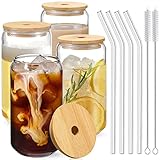
- PRODUCT CONFIGURATION: Drinking glass set includes 4 glass cups [ Diameter - 3 inches, Height - 5.6 inches ],4 nature bamboo lids, 4 reusable glass straws and 2 cleaning brushes, Classic design tumbler
- DURABLE and SAFE: The glasses are made of high-quality durable clear glass, Lead-free and BPA-free. It can be used safely for a long time. This thick clear glass can withstand the sudden changes in the temperature difference between -68°F to 212°F, making them dishwasher safe. If you want to decorate this glass, you can do DIY easily without breakage
- MULTI-PURPOSE: The glassware Great for any Occasion, any hot and cold drinks, home essentials. It is widely loved by families, kitchen, breweries, cafes, bars and restaurants. You can use it to make perfect tea, bubble Pearl Milk Tea, soda, water, iced coffee, smoothie, fruit juice or any other interesting holiday drinks
- AMAZING GIFT: This jar is very fashionable, aesthetic and characteristic. Excellent workmanship. Perfect Gifts for Women, House warming gifts, Tea mug Sets, Highball Glasses, Home Bar Accessories, Birthdays, Graduation, Weddings and Christmas Gifts
- SATISFIED SERVICE: This glass set is packaged in the heavy bubble holder and thick carton box to prevent damage while in transport. If the glass set you received was damaged or imperfect or you are not satisfied, we will offer a satisfactory solution
4. Add Sweetener (Optional):
- What to do: If you prefer sweetened cold coffee, add your sweetener directly to the empty, ice-filled glass. Simple syrup dissolves best in cold beverages, but granulated sugar, honey, or artificial sweeteners can also be used. Start with 1-2 teaspoons and adjust to your preference.
- What “good” looks like: The sweetener is added and ready to be mixed with the coffee.
- Common mistake: Adding granulated sugar to cold coffee and expecting it to dissolve easily. It often settles at the bottom.
- Avoid it by: Using simple syrup (equal parts sugar and water, heated until sugar dissolves, then cooled) or stirring granulated sugar vigorously in a small amount of the chilled coffee first to help it dissolve before adding the rest of the coffee.
5. Add Flavorings (Optional):
- What to do: Add any desired flavorings like vanilla extract, a dash of cinnamon, cocoa powder, or a pinch of salt to the glass with the ice and sweetener.
- What “good” looks like: Flavorings are incorporated, ready to infuse the coffee.
- Common mistake: Adding too much of a strong flavoring, like vanilla extract, which can overpower the coffee.
- Avoid it by: Starting with a small amount (e.g., 1/4 teaspoon of vanilla) and tasting before adding more.
6. Pour in Chilled Coffee:
- What to do: Pour the thoroughly chilled, strong coffee over the ice, sweetener, and flavorings in your glass.
- What “good” looks like: The dark coffee cascades over the ice, creating a visually appealing drink.
- Common mistake: Pouring too quickly or from too high, which can cause splashing.
- Avoid it by: Pouring gently and steadily.
7. Add Milk or Creamer:
- What to do: Top off your glass with your preferred milk (dairy or non-dairy) or creamer.
- What “good” looks like: The milk creates beautiful swirls as it mixes with the coffee.
- Common mistake: Adding milk too early or too much, which can dilute the coffee too much before you’ve had a chance to taste it.
- Avoid it by: Adding milk after the coffee and tasting, adjusting the amount to achieve your desired color and creaminess.
8. Stir and Taste:
- What to do: Gently stir all the ingredients together with a long spoon or straw to combine. Taste and adjust sweetness or milk as needed.
- What “good” looks like: All components are well-mixed, and the coffee tastes balanced to your preference.
- Common mistake: Not stirring enough, leaving pockets of unmixed sweetener or milk at the bottom.
- Avoid it by: Stirring thoroughly but gently to avoid diluting the drink further with melted ice.
9. Blend (Optional for Creamy Texture):
- What to do: If you prefer a thicker, milkshake-like texture, pour the mixed cold coffee, ice, sweetener, and milk into a blender. Blend until smooth.
- What “good” looks like: A smooth, frothy, and thick beverage.
- Common mistake: Over-blending, which can melt the ice too much and make the drink watery.
- Avoid it by: Blending in short bursts until the desired consistency is reached.
10. Serve and Enjoy:
- What to do: Pour blended coffee back into a glass if necessary, or enjoy directly from the blender cup. Garnish if desired (e.g., with whipped cream or a drizzle of chocolate syrup).
- What “good” looks like: A delicious, refreshing cold coffee ready to be savored.
- Common mistake: Waiting too long to drink it, allowing the ice to melt too much.
- Avoid it by: Enjoying your creation immediately for the best temperature and consistency.
Common Mistakes (and What Happens If You Ignore Them)
| Mistake | What it Causes | Fix |
|---|---|---|
| Using hot coffee directly over ice | Rapid ice melt, resulting in a watery, weak, and lukewarm drink. | Chill your brewed coffee completely in the refrigerator before pouring it over ice. |
| Using a standard brew strength | The final drink will be too diluted and flavorless once ice melts. | Brew your coffee double-strength or use a cold brew concentrate. |
| Not using enough ice | The drink warms up too quickly, and melts the ice too fast, leading to dilution. | Fill your serving glass generously with ice cubes. |
| Using stale coffee beans | Flat, dull, and bitter flavors that don’t improve with chilling. | Use freshly roasted coffee beans (within 2-3 weeks of roast date) and grind them just before brewing. |
| Using a fine grind for cold brew | Over-extraction, bitterness, and difficult, cloudy filtering. | Use a coarse grind for cold brew, similar to sea salt. |
| Not cleaning your brewing equipment | Rancid oils and mineral buildup impart off-flavors and bitterness. | Clean all brewing equipment thoroughly after each use and descale your coffee maker regularly. |
| Adding granulated sugar to cold liquid | Sugar doesn’t dissolve well, settling at the bottom and creating sweetness clumps. | Use simple syrup, or stir granulated sugar into a small amount of warm liquid (or your chilled coffee) first to help it dissolve before mixing with the rest of the drink. |
| Over-diluting with milk too early | The coffee flavor becomes too muted before you can enjoy its strength. | Add milk or creamer to taste after the coffee and sweetener are combined over ice. |
| Not stirring thoroughly | Uneven distribution of sweetener, milk, or flavorings, leading to inconsistent taste. | Stir all ingredients gently but thoroughly to ensure everything is well-mixed before drinking. |
Decision Rules for Easy Cold Coffee
Here are some simple rules to help you adjust your cold coffee preparation.
- If your cold coffee tastes weak and watery, then you likely need to brew your coffee stronger or use less water in your next batch, because dilution from ice is a significant factor.
- If your cold coffee has a bitter taste, then check your grind size (too fine for cold brew) or brewing time (too long for hot brew), because over-extraction causes bitterness.
- If you find sweetness settling at the bottom, then switch to simple syrup or dissolve granulated sugar in a small amount of warm liquid first, because sugar dissolves poorly in cold beverages.
- If your cold coffee lacks depth of flavor, then ensure you are using fresh coffee beans and grinding them just before brewing, because stale coffee loses its aromatic compounds.
- If you want a creamier texture without adding a lot of milk, then consider blending your cold coffee with ice and a splash of milk, because blending creates a frothy, milkshake-like consistency.
- If your cold coffee tastes flat, then try using filtered water instead of tap water, because water quality significantly impacts coffee flavor.
- If you’re in a hurry and don’t have time to chill hot coffee, then consider making a cold brew concentrate ahead of time, because cold brew can be stored in the refrigerator for up to two weeks.
- If you want to avoid a muddy or gritty cold brew, then use a coarse grind and allow sufficient steeping time, followed by careful filtering, because fine particles can pass through filters and create sediment.
- If your cold coffee is too strong even after adding milk, then you can dilute it with a little more cold water or milk, because it’s easier to dilute than to strengthen.
- If you want to experiment with flavors, then start with small additions of vanilla, cinnamon, or cocoa powder, because these can enhance the coffee without overpowering it.
FAQ
How can I make my cold coffee taste like it’s from a coffee shop?
Coffee shops often use espresso or a very concentrated cold brew as their base. They also typically use flavored syrups and high-quality dairy or non-dairy milk. Experiment with brewing your coffee double-strength or making a cold brew concentrate, and consider adding simple syrups for sweetness.
Can I use instant coffee to make cold coffee?
Yes, you can use instant coffee. For a better taste, look for high-quality instant coffee or “instant espresso” powder. Dissolve the instant coffee in a small amount of hot water first to ensure it’s fully incorporated, then chill it before mixing with ice and milk.
How long does cold brew coffee last?
Once brewed and properly stored in an airtight container in the refrigerator, cold brew concentrate typically lasts for about 1 to 2 weeks. Its flavor may start to degrade after the first week.
What is the best type of milk for cold coffee?
The “best” milk is subjective and depends on your preference. Whole milk or half-and-half will add richness and creaminess. For dairy-free options, oat milk is a popular choice for its creamy texture and neutral flavor, while almond milk or soy milk are also good alternatives.
How do I make cold coffee without a coffee maker?
You can make cold coffee using a French press, a pour-over cone with a filter, or even a simple jar and sieve. For cold brew, just steep coarse grounds in cold water in a jar for 12-24 hours, then strain. For a quick hot brew base, you can use a pour-over method with a filter.
Can I make cold coffee healthier?
To make your cold coffee healthier, reduce or eliminate added sugars. Instead of simple syrup, try using a sugar substitute or sweeten naturally with a small amount of honey or maple syrup. Opt for low-fat milk or unsweetened non-dairy alternatives.
What’s the difference between cold brew and iced coffee?
Iced coffee is typically hot-brewed coffee that is cooled down and served over ice, often leading to dilution. Cold brew is made by steeping coffee grounds in cold water for an extended period (12-24 hours), resulting in a less acidic, smoother, and more concentrated coffee that is then diluted with water or milk and served over ice.
What This Page Does Not Cover (and Where to Go Next)
- Advanced Cold Brew Techniques: This guide focuses on easy methods. For more in-depth information, explore topics like specific cold brew ratios for different flavor profiles, bloom times, and advanced filtering methods.
- Espresso-Based Cold Drinks: This article covers brewed coffee and cold brew. If you’re interested in drinks like iced lattes or iced cappuccinos, you’ll need an espresso machine or a way to make concentrated espresso-like coffee.
- Flavor Syrup Recipes: While flavorings are mentioned, detailed recipes for homemade coffee syrups (like vanilla bean or caramel) are not included. You can find many resources for creating your own syrups.
- Specific Coffee Bean Recommendations: The focus here is on the process. For guidance on selecting the best coffee beans for cold coffee or cold brew, research different roast levels and origins.