
Drive-Thru Coffee Shop Profitability
Quick answer
- Drive-thru coffee shops can be incredibly profitable.
- Revenue depends heavily on location, menu, and operational efficiency.
- High volume is key; think busy commuter routes or office parks.
- Specialty drinks and loyalty programs boost average ticket size.
- Keeping costs low, especially labor and waste, makes a big difference.
- A well-run shop can see profit margins of 10-20% or even higher.
Key terms and definitions
- Gross Revenue: The total money earned before any expenses are paid.
- Net Profit: What’s left after all costs of doing business are subtracted from gross revenue.
- Cost of Goods Sold (COGS): The direct costs of making your products, like coffee beans, milk, and cups.
- Operating Expenses: Ongoing costs to run the business, such as rent, utilities, wages, and marketing.
- Average Ticket Size: The average amount a customer spends per transaction.
- Customer Traffic: The number of customers visiting the shop, especially during peak hours.
- Profit Margin: Profit expressed as a percentage of revenue.
- Break-Even Point: The sales volume needed to cover all costs.
- Labor Costs: Wages, benefits, and taxes for employees.
- Foot Traffic/Vehicle Traffic: The number of people or cars passing by a location.
How a Drive-Thru Coffee Shop Makes Money
A drive-thru coffee shop makes money by selling beverages and food items to customers, primarily through a convenient window service. It’s a high-volume, quick-service model.
- Beverage Sales: This is the core. Think espresso drinks, drip coffee, teas, and iced beverages.
- Food Sales: Pastries, muffins, breakfast sandwiches, and grab-and-go snacks add to the revenue.
- Up-selling and Add-ons: Encouraging customers to add extra shots, flavors, or larger sizes increases the average sale.
- Merchandise: Selling branded mugs, whole bean coffee, or brewing equipment can provide an additional revenue stream.
- Loyalty Programs: Repeat business is crucial. Points systems or punch cards encourage customers to come back.
- Seasonal Specials: Limited-time offers and seasonal drinks create buzz and drive traffic.
- Catering/Bulk Orders: Serving local businesses or events can bring in larger, less frequent sales.
- Efficiency: Fast service means more customers served per hour, directly impacting revenue.
- Prime Location: Being on a busy road or near a major employer is essential for consistent traffic.
- Menu Optimization: Offering popular items and keeping the menu manageable prevents waste and speeds up service.
What Affects Drive-Thru Coffee Shop Profitability
A ton of things can make or break a drive-thru coffee shop. It’s not just about slinging lattes.
- Location, Location, Location: This is the big one. High-traffic areas, good visibility, and easy access are gold. Think commuter routes, busy intersections, or near large office complexes.
- Menu Variety and Pricing: Offering a good mix of popular drinks and some unique items is key. Prices need to be competitive but also reflect quality.
- Operational Efficiency: How fast can you get drinks out? A smooth workflow, well-trained staff, and good equipment mean more customers served.
- Labor Costs and Staffing: Wages are a huge expense. Finding good baristas and managing schedules effectively is critical. Overstaffing kills profits.
- Cost of Goods Sold (COGS): The price of beans, milk, syrups, and cups adds up fast. Smart sourcing and minimizing waste are vital.
- Marketing and Brand Awareness: How do people know you exist? Local ads, social media, and community involvement can draw customers in.
- Customer Experience: Friendly service and a quality product keep people coming back. A bad experience? They’re gone.
- Competition: How many other coffee shops are nearby? You need to stand out.
- Operating Hours: Being open when your target customers need coffee is a no-brainer. Early mornings and late afternoons can be huge.
- Rent and Utilities: These fixed costs can be substantial, especially in prime locations.
- Waste Management: Spills, expired milk, and unsold pastries are money down the drain.
- Seasonality: Business can fluctuate with weather and holidays. Planning for these changes is smart.
Efficient operations are crucial, and a robust coffee shop POS system can significantly streamline order taking, payment processing, and inventory management, directly impacting your bottom line.
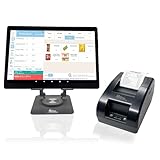
- 10.1" 8-core tablet with Wi-Fi and Bluetooth support, equipped with a 2" Bluetooth receipt printer and a stable aluminum alloy tablet stand that rotates 360°. Compatible with optional label printers, receipt printers, kitchen ticket printers, order ticket printers, barcode scanners, and electronic scales. Runs on a reliable Android operating system with built-in POS software. Hardware comes with a 1-year limited warranty
- You can download our free mobile app in iOS and Android for settings, charts, reports, and storage management. We provide a free online ordering system. You or your customers can simply scan a QR code to place orders via phone for to go delivery dine in
- LIFETIME SOFTWARE - Fast checkout, easy ordering and setup. User-friendly interface. The POS APP comes pre-installed and configured. The software is available for life and includes 1 year of customer service, 3 months of remote support, and 3 months of iCloud. No contract required, no mandatory fees
- We support payment terminals and Visa, Mastercard, Google Pay, and Apple Pay. If you sign up for our merchant services and begin accepting credit card payments after three months, we will refund you $200 for your business. Once your application is approved, you will receive a free EMV & credit card terminal
- Multifunctional-POS system, inventory management, tip tracking, membership system, reporting app, multi-region tax rate calculation, and more
Pros, cons, and when it matters
Drive-thru coffee shops have their upsides and downsides. It’s all about the context.
- Pro: High Volume Potential: Busy locations can serve hundreds, even thousands, of customers daily. This is where the big money is made.
- Con: High Initial Investment: Setting up a drive-thru can be costly, from the building to specialized equipment.
- Pro: Convenience Factor: People love grabbing their coffee without leaving their car, especially on busy mornings. This is a massive draw.
- Con: Dependence on Location: If your spot isn’t busy, you’re sunk. You can’t just “move” a drive-thru easily.
- Pro: Strong Repeat Business: Coffee is a daily habit for many. Loyal customers can provide consistent revenue.
- Con: Intense Competition: The coffee market is crowded. You need to offer something special to stand out.
- Pro: Relatively Simple Menu: Compared to a full-service restaurant, a coffee shop menu is often more streamlined, which can improve efficiency.
- Con: Perishable Inventory: Milk, pastries, and even coffee beans have a shelf life. Managing this inventory to minimize waste is a constant challenge.
- Pro: Potential for High Profit Margins: Specialty drinks, when priced correctly, can have excellent margins.
- Con: Labor Intensive: You need skilled baristas who can work quickly and consistently. Staffing is a major operational factor.
- Pro: Adaptable to Trends: Easy to introduce new seasonal drinks or plant-based milk options to attract different customers.
- Con: Weather Dependent: Bad weather can sometimes deter drive-thru traffic, especially if it’s severe.
Common misconceptions
Folks sometimes get it twisted about drive-thru coffee shops. Let’s clear some things up.
- Misconception: All coffee shops are the same. Nope. A small local spot has different dynamics than a big chain drive-thru.
- Misconception: Just adding more menu items means more money. Not necessarily. Too many options can slow down service and increase waste.
- Misconception: Coffee is just coffee. Quality of beans, roast, and brewing method make a huge difference. Customers notice.
- Misconception: Labor costs are just wages. Don’t forget taxes, benefits, and training. It’s a bigger chunk than you might think.
- Misconception: Location is the only thing that matters. Good operations and a great product are equally vital. A bad shop in a great spot will still struggle.
- Misconception: You can make a fortune with minimal effort. Running a successful drive-thru is hard work, long hours, and constant problem-solving.
- Misconception: Drive-thrus are always profitable. If the volume isn’t there or costs are too high, they can easily lose money.
- Misconception: Loyalty programs are always a winner. They need to be well-designed and genuinely rewarding to work.
- Misconception: The coffee bean price dictates profit. While important, it’s only one piece of the puzzle. Labor, rent, and volume are huge factors.
- Misconception: You don’t need to worry about the “atmosphere.” Even in a drive-thru, friendly staff and a clean window make a difference.
FAQ
Q: How much revenue can a typical drive-thru coffee shop generate annually?
A: It varies wildly, but a well-positioned, efficient shop can generate anywhere from $500,000 to over $1 million annually, sometimes much more. It really hinges on customer volume and average ticket size.
Q: What’s a realistic profit margin for a drive-thru coffee shop?
A: Many aim for 10-20% net profit. However, with excellent management and high volume, some can push this higher. Costs like rent and labor are big variables.
Q: Is a drive-thru coffee shop a good investment?
A: It can be, but it’s not a guaranteed win. Success depends heavily on location, operational skill, and market demand. Do your homework.
Q: How important is the speed of service for a drive-thru?
A: Extremely important. Customers expect speed and convenience. Slow service means lost customers and lower revenue. Think seconds, not minutes.
Q: What are the biggest expenses for a drive-thru coffee shop?
A: Typically, labor costs (wages, benefits) and rent/occupancy costs are the largest. Cost of goods sold (beans, milk, cups) is also significant.
Q: Do I need to be a coffee expert to open a drive-thru?
A: While passion helps, you don’t need to be a master barista yourself. You need to hire good ones and understand quality control. Business acumen is key.
Q: How can a drive-thru coffee shop compete with large chains?
A: Focus on unique local offerings, superior customer service, community involvement, and perhaps a niche product or two. Personal touch matters.
Q: What kind of staffing levels are typical?
A: This depends on peak hours. You might have a small core team and then add extra baristas during morning and afternoon rushes. Efficiency is key to minimizing staff needed.
What this page does NOT cover (and where to go next)
This article gives you the big picture on making money. But there’s always more to learn.
- Specific Equipment Reviews: We didn’t dive into the nitty-gritty of espresso machines or grinders. Look for reviews on brewing gear.
- Detailed Financial Projections: This isn’t a business plan. You’ll need to crunch your own numbers for a specific location.
- Legal and Permitting Processes: Every town is different. Research local business licenses and health department regulations.
- Marketing Campaign Strategies: We touched on marketing, but developing actual campaigns is a whole other ballgame. Explore digital marketing and local advertising.