
Drip Coffee Maker: The Ideal Coffee Amount Per Cup
Quick answer
- Aim for 1 to 2 tablespoons of ground coffee per 6 ounces of water.
- Adjust based on your taste preference – stronger or weaker.
- Use a kitchen scale for consistent results; it’s more accurate than scoops.
- Freshly ground beans make a huge difference. Grind right before brewing.
- Filter type matters. Paper filters absorb more oils than metal ones.
- Always start with good water. Filtered water is your friend.
- Clean your drip machine regularly. Old coffee gunk ruins flavor.
Who this is for
- Anyone who owns a standard drip coffee maker and wants better coffee.
- Folks who are tired of coffee that’s too weak or too bitter.
- Home baristas looking to dial in their daily brew without getting too fancy.
If you’re looking to upgrade your current setup, consider a reliable drip coffee maker that offers consistent brewing temperatures and easy cleaning.
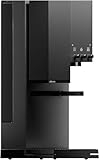
- 1. Three Levels of Automation for Any Skill Level: Choose from Autopilot, Copilot, or Free Solo mode. Autopilot handles the entire brewing process automatically. Copilot provides step-by-step guidance. Free Solo gives you full manual control. This coffee machine works for beginners and professional baristas alike.
- 2. Intuitive User Interface with Tactile Knobs and LED Matrix: The Studio features physical control knobs and a clear LED Matrix display. You can adjust grind size, water temperature, and flow rate in real time without navigating complicated touchscreen menus.
- 3. Full Customization via the xBloom App: Use the xBloom app to create, adjust, save, and share your favorite coffee recipes. Every brewing parameter can be fine-tuned and synced to the machine instantly. Your perfect cup is saved and repeatable.
- 4. Compostable xPod System for Minimal Waste and Maximum Flavor: Each xPod contains carefully selected whole beans and a built-in filter. Tap the recipe card, pour the beans into the grinder, place the pod into the dock, and press start. No capsules, no extra paper filters, no unnecessary waste.
- 5. What Is Included in the Box: The package includes the xBloom Studio, Omni Dripper 2 with Hyperflow Bottom, 10 paper filters, xPod Dock, Magnetic Dosing Cup, default recipe card, quick start guide, cleaning brush, and universal power cord. Everything you need is included.
What to check first
Brewer type and filter type
Your machine is likely a standard automatic drip brewer. That’s cool. The filter is usually paper, but some use a reusable metal or plastic basket. Paper filters grab more of the coffee oils, leading to a cleaner, sometimes brighter cup. Metal filters let more oils through, which can give a richer, fuller body. Make sure your filter fits your basket correctly. No one wants grounds in their cup.
Water quality and temperature
This is HUGE. If your tap water tastes funky, your coffee will too. Use filtered water. It’s a game-changer. Most drip machines heat water to around 195-205°F. That’s the sweet spot for extraction. If your machine has a “brew pause” or “keep warm” plate, make sure it’s not scorching your coffee after brewing.
Grind size and coffee freshness
For drip, you want a medium grind. Think coarse sand or sea salt. Too fine, and you get bitter, over-extracted coffee. Too coarse, and it’ll be weak and sour. Freshness is key. Buy whole beans and grind them just before you brew. Pre-ground coffee loses its oomph fast. Seriously, get a grinder. It’s worth it.
Coffee-to-water ratio
This is where the “how much coffee per cup” question really kicks in. A good starting point is the “golden ratio.” That’s roughly 1:15 to 1:18 coffee to water by weight. For volume, it’s often cited as 1 to 2 tablespoons of grounds for every 6 ounces of water. I usually start with 1.5 tablespoons per 6 oz and go from there. Remember, “cup” sizes on coffee makers are often 5-6 oz, not the standard 8 oz measuring cup. Check your machine’s markings.
Cleanliness/descale status
A dirty coffee maker is a flavor killer. Mineral buildup (scale) from water can clog your machine and affect heating. Old coffee oils can go rancid. Run a cleaning cycle with vinegar or a descaling solution every month or two, depending on your water hardness. A quick rinse after each use helps too.
Step-by-step (brew workflow)
1. Gather your gear: Get your drip coffee maker, fresh coffee beans, grinder, filtered water, and a mug.
- What “good” looks like: Everything is ready to go. No scrambling mid-brew.
- Common mistake: Forgetting to grind the beans until after you’ve started filling the water. Avoid by having everything set up before you turn the machine on.
2. Measure your water: Fill the water reservoir with the desired amount of filtered water. Use the markings on the reservoir or your carafe.
- What “good” looks like: The water level is accurate for the number of cups you want.
- Common mistake: Overfilling the reservoir, leading to a weak brew or overflow. Avoid by measuring carefully and knowing your machine’s “cup” size.
3. Grind your beans: Weigh your whole beans for precision, or use scoops. Aim for 1 to 2 tablespoons of grounds per 6 ounces of water.
- What “good” looks like: You have the right amount of medium-ground coffee.
- Common mistake: Using pre-ground coffee that’s been sitting around. Avoid by grinding just before brewing.
4. Insert the filter: Place a paper filter into the brew basket. If using a reusable filter, ensure it’s clean.
- What “good” looks like: The filter is seated properly and won’t collapse.
- Common mistake: Not rinsing paper filters. This can leave a papery taste. Avoid by giving it a quick rinse with hot water before adding grounds.
5. Add coffee grounds: Pour your freshly ground coffee into the filter. Gently shake the basket to level the grounds.
- What “good” looks like: The grounds are evenly distributed in the filter.
- Common mistake: Tamping down the grounds like espresso. This restricts water flow. Avoid by just leveling them gently.
6. Start the brew cycle: Close the brew basket lid and turn on your coffee maker.
- What “good” looks like: The machine starts heating water and dripping coffee.
- Common mistake: Forgetting to turn it on. Seriously, it happens. Avoid by double-checking the power switch.
7. Monitor the bloom (optional but good): For the first 30 seconds, the hot water hits the grounds and releases CO2. This is the bloom.
- What “good” looks like: The grounds puff up and bubble slightly.
- Common mistake: Not allowing for the bloom, which can lead to uneven extraction. Most automatic brewers handle this okay, but it’s a sign of fresh coffee.
8. Let it brew: Allow the machine to complete its full brew cycle.
- What “good” looks like: Coffee is dripping steadily into the carafe.
- Common mistake: Removing the carafe too early if it has a “brew pause” feature. This can cause grounds to spill. Avoid by waiting until the drip stops.
9. Serve immediately: Once brewing is complete, pour your coffee into your favorite mug.
- What “good” looks like: A steaming cup of delicious coffee.
- Common mistake: Letting the coffee sit on the warming plate for too long. It gets burnt and bitter. Avoid by drinking it fresh or transferring it to a thermal carafe.
10. Discard grounds and rinse: Once cooled, remove the filter with used grounds and rinse the brew basket.
- What “good” looks like: The brew basket is clean and ready for next time.
- Common mistake: Leaving wet grounds in the basket. This leads to mold and gunk. Avoid by disposing of them promptly.
Common mistakes (and what happens if you ignore them)
| Mistake | What it causes | Fix |
|---|---|---|
| Using stale, pre-ground coffee | Weak, flat, bitter, or papery taste. | Buy whole beans and grind them right before brewing. |
| Incorrect grind size (too fine) | Bitter, over-extracted, muddy coffee. | Adjust grinder to a coarser setting (medium grind). |
| Incorrect grind size (too coarse) | Weak, sour, under-extracted coffee. | Adjust grinder to a finer setting (medium grind). |
| Using tap water with off-flavors | Unpleasant, chemical, or metallic taste in coffee. | Use filtered or bottled water. |
| Not cleaning the coffee maker regularly | Bitter, oily residue, clogged machine, slow brewing. | Descale monthly with vinegar/solution; rinse basket after each use. |
| Incorrect coffee-to-water ratio | Coffee too strong or too weak for your liking. | Start with 1-2 tbsp grounds per 6 oz water and adjust to taste. Use a scale for consistency. |
| Over-extraction (too long brew time) | Bitter, harsh, astringent taste. | Ensure correct grind size; check if machine is brewing too slowly. |
| Under-extraction (too short brew time) | Sour, weak, watery taste. | Ensure correct grind size; check if machine is brewing too fast or water isn’t hot enough. |
| Coffee sits on warming plate | Burnt, metallic, bitter taste. | Drink immediately or transfer to a thermal carafe. |
| Using the wrong filter type | Grounds in cup (metal filter too coarse) or muted flavor (wrong paper size). | Ensure filter fits basket; rinse paper filters. |
Decision rules (simple if/then)
- If your coffee tastes bitter, then try a coarser grind because too-fine grounds over-extract.
- If your coffee tastes weak and sour, then try a finer grind because too-coarse grounds under-extract.
- If your coffee tastes bland, then try using fresher beans because stale coffee lacks flavor.
- If your coffee tastes off, then try using filtered water because tap water can impart bad flavors.
- If your coffee is consistently too strong, then use fewer coffee grounds or more water because the ratio is off.
- If your coffee is consistently too weak, then use more coffee grounds or less water because the ratio is off.
- If your brew is muddy or has sediment, then check your grind size and filter because it might be too fine or the filter isn’t seated right.
- If your machine brews very slowly, then it likely needs descaling because mineral buildup is restricting water flow.
- If your coffee has a burnt taste, then it’s likely been sitting on the warming plate too long because the heat scorches it.
- If you’re not getting consistent results, then start weighing your coffee and water because volume measurements (scoops) are less accurate.
- If you want a cleaner cup, then use a paper filter because it absorbs more oils.
- If you prefer a richer, fuller body, then consider a metal filter because it lets more oils pass through.
FAQ
How many scoops of coffee per cup?
A good starting point is 1 to 2 tablespoons of ground coffee for every 6 ounces of water. Remember, coffee maker “cups” are usually smaller than standard measuring cups.
What if my coffee is too weak?
Try using more coffee grounds, a slightly finer grind, or ensure your water is hot enough. Freshness of beans also plays a big role.
What if my coffee is too bitter?
Your grind might be too fine, or you’re using too much coffee. Try a coarser grind or slightly less coffee. Also, make sure your machine is clean.
Does the type of coffee bean matter?
Absolutely. Different beans have different flavor profiles. Light roasts tend to be brighter, while dark roasts are bolder. Experiment to find what you like.
Is it okay to use flavored coffee beans?
Sure, if you like them. Just be aware that flavored oils can build up in your machine more quickly and might require more frequent cleaning.
What’s the best water to use?
Filtered water is ideal. It removes impurities that can affect taste and also helps prevent mineral buildup in your machine.
How often should I clean my drip coffee maker?
It’s a good idea to descale every 1-3 months, depending on your water hardness. Rinse the brew basket after each use to prevent gunk.
Can I use less coffee for a weaker cup?
Yes, you can adjust the coffee-to-water ratio to your preference. Just be mindful that too little coffee can lead to under-extraction and sourness.
What this page does NOT cover (and where to go next)
- Specific recommendations for different types of coffee beans (e.g., single origin vs. blends).
- Advanced brewing techniques like pour-over or AeroPress.
- Detailed guides on coffee grinder types and settings.
- Troubleshooting for specific drip coffee maker models or malfunctions.
- The science behind coffee extraction and solubility.