
Does Coffee Help or Hinder When You’re Sick?
Quick answer
- Coffee’s impact when you’re sick is a mixed bag.
- The caffeine can offer a temporary energy boost and relieve some headache pain.
- It can also dehydrate you, which isn’t ideal when you’re already feeling rough.
- Coffee can irritate a sore throat or upset stomach.
- Listen to your body; it’s the best guide.
Key terms and definitions
- Caffeine: A natural stimulant found in coffee beans, known for its ability to increase alertness.
- Dehydration: A state where your body loses more fluid than it takes in.
- Inflammation: The body’s response to injury or infection, often causing pain and swelling.
- Headache: Pain in any region of the head.
- Sore Throat: Pain or scratchiness in the throat, often a symptom of illness.
- Gastrointestinal Upset: Discomfort in the stomach or intestines.
- Electrolytes: Minerals that carry an electric charge, crucial for bodily functions like hydration.
- Antioxidants: Compounds that fight cell damage. Coffee has them.
- Placebo Effect: A beneficial effect produced by a placebo drug or treatment, which cannot be attributed to the properties of the placebo itself, and must therefore be assumed to be the result of the patient’s belief in that treatment.
How it works
- Caffeine acts as a central nervous system stimulant. It blocks adenosine, a neurotransmitter that makes you feel tired.
- This blocking effect can increase alertness and reduce feelings of fatigue.
- Caffeine also has mild diuretic properties, meaning it can increase urine production.
- It can affect blood flow, which is why it sometimes helps with headaches.
- Coffee contains antioxidants that may have some positive health effects, though this is more relevant for general wellness than acute sickness.
- The warmth of a hot beverage can be soothing for a sore throat.
- For some, the ritual of making and drinking coffee provides a sense of normalcy and comfort.
If you’re looking for the alertness without the acidity, caffeine supplements can offer a similar boost. Consider exploring caffeine supplements for a controlled energy lift.
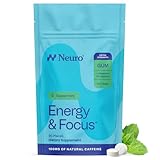
Neuro Energy & Focus Gum, Extra Strength - 100mg Natural Caffeine Gum & Nootropic Energy Supplement with L-Theanine & B Vitamins - Sugar Free, Vegan - Spearmint, 90ct
- Fast-Acting Nootropic - Our energy supplements deliver an extra boost of energy and clarity with a blend of natural caffeine, L-theanine, and vitamin b6 & b12. Your go-to chewing gum for work, exercise, and daily focus!
- Clean Energy - Each piece of our sugar free gum delivers 100mg of natural caffeine from green coffee beans for a smooth energy boost without crashes or jitters.
- The Perfect Balance - With 60mg of L-theanine per piece, our energy and focus formula promotes enhanced focus and stress reduction to smooth energy boosts.
- How to Use - Chew one piece of the caffeine gum whenever focus or energy is lacking. Ideal for mornings, pre-workout, or afternoon slumps. Effects typically kick in within minutes thanks to optimal absorption through the mouth.
- Made by Neuro, Backed by Science - At Neuro, we combine neuroscience with clean, science backed ingredients to help you do more, think better, and feel your best every single day.
What affects the result
- Your specific illness: A cold is different from the flu, and how you react to coffee will vary.
- Your usual coffee intake: If you drink coffee daily, going without might cause withdrawal headaches.
- Your hydration levels: If you’re already dehydrated, coffee’s diuretic effect can worsen things.
- Stomach sensitivity: Coffee can be acidic and might irritate an already upset stomach.
- Severity of symptoms: Mild fatigue is one thing; severe nausea is another.
- Additives: Sugar, cream, or milk can affect how your body handles the drink.
- How you brew it: A strong espresso hits differently than a diluted drip coffee.
- Your body’s individual response: Everyone’s different, and that’s okay.
- The temperature of the coffee: A warm mug can be comforting.
- Timing: Drinking it first thing when you wake up might feel different than late in the afternoon.
- Medications: Coffee can sometimes interact with certain medications.
- Your overall diet: What else you’re consuming matters.
Pros, cons, and when it matters
- Pro: Temporary Energy Boost: Caffeine can help you push through fatigue when you’re battling a mild cold. It’s like a short pit stop for your energy levels.
- Con: Dehydration Risk: Coffee can make you pee more. When you’re sick, you need to stay hydrated, not lose fluids.
- Pro: Headache Relief: For some types of headaches, caffeine can constrict blood vessels and offer relief. This is a common ingredient in headache meds for a reason.
- Con: Stomach Irritation: The acidity in coffee can be rough on an already sensitive stomach, potentially worsening nausea or heartburn.
- Pro: Comfort and Ritual: The warmth and familiar routine of coffee can be psychologically comforting when you feel awful.
- Con: Sleep Disruption: If you’re trying to rest and recover, caffeine can interfere with much-needed sleep.
- Pro: Antioxidant Content: Coffee has antioxidants, which are generally good for you, but unlikely to be a significant factor when you’re acutely ill.
- Con: Sore Throat Agravation: Hot liquids can feel good, but the acidity of coffee might sting a raw throat.
- Pro: Can Help with Withdrawal Headaches: If you’re a regular coffee drinker, skipping it when sick can trigger withdrawal headaches. Drinking a little might prevent this.
- Con: Potential for Jitters: If you’re already feeling weak and shaky, too much caffeine can make you feel worse.
- When it matters: It matters most when you’re weighing the short-term boost against potential downsides like dehydration or stomach upset.
- When it matters: It matters when you’re deciding if the comfort outweighs the risk of sleep disruption.
Common misconceptions
- Myth: Coffee is always bad for you when sick. Not necessarily. For some, a moderate amount can help with symptoms like fatigue and headaches.
- Myth: Coffee will cure your cold. Nope. It’s a symptom manager at best, not a treatment.
- Myth: All coffee is dehydrating. While it has a mild diuretic effect, the water in coffee often offsets it for moderate consumption. However, when you’re sick, every bit of fluid counts.
- Myth: Black coffee is always better. It depends on your symptoms. Black coffee is more acidic and might upset a sensitive stomach more than coffee with a little milk.
- Myth: You should avoid all stimulants when sick. While rest is key, a small amount of caffeine might be beneficial for some, depending on the symptoms.
- Myth: Coffee will make a fever worse. Caffeine itself doesn’t directly raise your body temperature. Dehydration is the bigger concern.
- Myth: Coffee is a good source of electrolytes. It’s not. You need specific foods and drinks for electrolyte replenishment.
- Myth: If it feels good, it must be good for you. Comfort is important, but it doesn’t always align with what your body needs for recovery.
FAQ
- Can coffee help me feel less tired when I’m sick? Yes, caffeine can temporarily boost alertness and combat fatigue. It blocks adenosine, the chemical that makes you feel sleepy.
- Will coffee make my headache better when I have a cold? For some headaches, yes. Caffeine can constrict blood vessels, which may relieve certain types of head pain.
- Is it okay to drink coffee if I have a sore throat? Maybe not. The acidity of coffee can irritate a raw throat. Warm water or herbal tea might be a better choice for soothing relief.
- Can coffee dehydrate me when I’m sick? It has a mild diuretic effect, meaning it can increase urine output. When you’re sick, staying hydrated is crucial, so be mindful of your fluid intake if you drink coffee.
- Should I drink coffee if I have an upset stomach? Probably not. Coffee is acidic and can further irritate an already sensitive stomach, potentially worsening nausea or heartburn.
- Does coffee have any benefits when I’m sick? Beyond temporary symptom relief, coffee contains antioxidants, which are generally good for health. However, their impact on acute illness is likely minimal.
- If I’m a regular coffee drinker, should I still drink it when sick? If you skip your usual coffee, you might get withdrawal headaches. Drinking a moderate amount might help prevent those.
- What’s the best way to drink coffee if I’m feeling under the weather? Keep it simple. Avoid excessive sugar or cream, which can add unnecessary calories or irritate your stomach. Black or with a splash of milk is usually best.
For soothing relief without the acidity, herbal tea for sickness can be a much gentler alternative. Many find comfort in a warm cup of herbal tea when feeling under the weather.

Celestial Seasonings Peppermint Herbal Tea, Caffeine Free, 20 Tea Bags Box (Pack of 6)
- Herbal: The aromatic Oregon and Washington-grown peppermint we've selected tastes so fresh and delicious that it requires no accompaniment — it's simply the only ingredient here.
- Thoughtful Sourcing: Most of our herbs, botanicals, teas, and fruits are purchased directly from farmers around the world.
- Quality Ingredients: We blend our teas from the finest ingredients, with no artificial flavors or colors.
- Minimal Packaging: We use tea bags without strings, tags, or staples to divert waste from landfills. Plus, we print on 100% recycled paperboard (35% post-consumer content).
- Your Perfect Cup: Steep the tea bag in hot water for 4-6 minutes and remove the bag.
What this page does NOT cover (and where to go next)
- Specific medical advice for any illness. Always consult a healthcare professional for diagnosis and treatment.
- Detailed nutritional breakdowns of coffee or its components.
- Recommendations for specific brands or types of coffee makers.
- How coffee interacts with prescription medications.
- Advanced brewing techniques for optimal flavor profiles.