
Does Coffee Contribute to Greasy Skin? Exploring the Possibilities
Quick Answer
- While coffee itself doesn’t directly cause greasy skin, certain additives like cream and sugar can contribute to increased oil production.
- Dehydration, potentially exacerbated by coffee’s diuretic effect, can sometimes lead the skin to overcompensate by producing more oil.
- The stress response triggered by caffeine can also play a role in hormonal fluctuations that affect oiliness.
- For most people, moderate coffee consumption is unlikely to be the primary cause of greasy skin.
- Focusing on overall hydration and a balanced diet is more impactful for managing skin oiliness.
- If you suspect a link, consider reducing additives or caffeine intake and observing your skin.
Key Terms and Definitions
- Sebum: A natural oily substance produced by the sebaceous glands in your skin, which helps to moisturize and protect it.
- Acne: A common skin condition that occurs when hair follicles become plugged with oil and dead skin cells.
- Hormonal Acne: Acne breakouts that are often linked to fluctuations in hormone levels, such as androgens.
- Diuretic: A substance that promotes the production of urine, leading to increased fluid loss.
- Cortisol: A steroid hormone produced by the adrenal glands, often referred to as the “stress hormone.”
- Inflammation: The body’s immune response to injury, infection, or irritation, which can manifest in the skin.
- Glycemic Index (GI): A measure of how quickly a food causes blood sugar levels to rise.
- Antioxidants: Compounds that inhibit oxidation, a chemical reaction that can produce free radicals, potentially damaging cells.
- Hydration: The process of providing or absorbing adequate fluids.
- Sebaceous Glands: Small exocrine glands in the skin that secrete an oily or waxy matter, called sebum, to lubricate and waterproof the skin and hair.
How Coffee Brewing Works (for Context)
- Coffee brewing involves extracting soluble compounds from roasted coffee beans using water.
- The process typically begins with grinding roasted coffee beans to a specific size.
- Hot water is then passed through the ground coffee, dissolving flavor compounds, oils, and caffeine.
- The dissolved substances form the liquid coffee, while the solid grounds are separated and discarded.
- Different brewing methods utilize varying water temperatures, contact times, and pressure to influence extraction.
- For instance, espresso uses high pressure and fine grounds for a quick extraction, while pour-over uses gravity and a slower flow.
- The resulting coffee contains a complex mixture of acids, lipids, sugars, and aromatic compounds.
- Caffeine, a natural stimulant, is one of the most well-known compounds extracted during brewing.
- The quality and freshness of the beans, along with the brewing technique, significantly impact the final cup’s flavor profile.
- Understanding the brewing process helps appreciate the composition of the beverage you consume.
What Affects Your Skin (and may indirectly involve coffee)
- Additives in Coffee: Cream, whole milk, flavored syrups, and sugar can introduce excess fats and sugars into your diet. These can potentially influence sebum production and contribute to inflammation.
- Caffeine’s Diuretic Effect: Coffee is a mild diuretic. If you don’t compensate with enough water intake, dehydration can occur. Your skin might then try to retain moisture by producing more oil.
- Caffeine and Stress Hormones: Caffeine can stimulate the release of cortisol. Elevated cortisol levels can, in turn, affect hormone balance, potentially leading to increased oiliness and breakouts for some individuals.
- Sugar Intake: High-sugar beverages, including those with sugary coffee additives, can lead to blood sugar spikes. This can trigger an inflammatory response and may influence sebum production.
- Overall Diet: A diet high in processed foods and unhealthy fats, regardless of coffee consumption, can negatively impact skin health and oiliness.
- Hydration Levels: Consistently insufficient water intake can signal your skin to produce more oil to compensate for dryness.
- Genetics: Your natural predisposition to oily or dry skin is largely determined by genetics.
- Environmental Factors: Humidity, pollution, and climate can all influence how oily your skin appears.
- Skincare Routine: Using harsh cleansers or over-washing can strip the skin of its natural oils, prompting it to produce more sebum.
- Hormonal Changes: Fluctuations due to puberty, menstruation, pregnancy, or menopause are significant drivers of skin oiliness.
- Sleep Quality: Lack of sleep can disrupt hormone balance and increase stress, potentially affecting skin oil production.
- Medications: Certain medications can have side effects that include changes in skin oiliness.
If you’re concerned about managing oily skin, consider incorporating an oil control moisturizer into your routine to help balance sebum production.
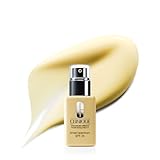
- Instantly boosts moisture by 58%, rapidly repairs and strengthens the skin barrier, and leaves skin looking healthier, more radiant, and resilient—without a white cast and gentle enough for sensitive skin.*
- Pure glycerin This powerful humectant helps attract and retain moisture to help repair and support the skin barrier. Hyaluronic acid This moisture-binding ingredient helps infuse skin with plumping hydration.
- Dermatologist-developed and tested, allergy tested, fragrance free, non-acnegenic, and safe for sensitive skin.
- Clinique’s dermatologist-developed 3-Step routine—cleanse, exfoliate, moisturize—is simple, effective, and tailored to your skin type for healthy-looking skin in just 3 minutes, twice a day. Now featuring SPF 35 protection in the morning step.
- Clinical testing on 24 women. **Consumer testing on 170 women immediately after product use. ***Consumer testing on 172 women after 1 week of product use."
Pros, Cons, and When It Matters
- Pro: Coffee contains antioxidants that can be beneficial for skin health in general, fighting free radical damage.
- Con: Added sugars and fats in coffee drinks can contribute to increased calorie intake and potentially affect skin oiliness.
- Pro: Moderate caffeine intake can boost alertness and focus, which is a primary reason many people consume it.
- Con: The diuretic effect of coffee, if not managed with adequate water intake, can lead to dehydration, potentially causing skin to overproduce oil.
- Pro: Coffee can be a ritual that provides comfort and enjoyment, contributing to overall well-being.
- Con: For individuals sensitive to caffeine, it can increase anxiety and disrupt sleep, indirectly influencing stress hormones and skin.
- Pro: Coffee, in its pure form, is a calorie-free beverage.
- Con: Excessive consumption of highly sweetened or creamy coffee beverages can contribute to weight gain.
- Pro: Coffee can be part of a balanced diet for most people without negative skin impacts.
- Con: If your skin is already prone to oiliness and acne, the added fats and sugars from certain coffee preparations might exacerbate the issue.
- Pro: The act of brewing coffee can be a relaxing and enjoyable part of a morning routine.
- Con: If you experience digestive issues from coffee, this systemic inflammation could potentially manifest in skin problems.
- Pro: Pure black coffee is generally considered safe and healthy in moderation.
- Con: For those with specific sensitivities, caffeine can trigger adverse reactions beyond skin concerns.
Common Misconceptions
- Misconception: Drinking black coffee directly causes greasy skin.
- Reality: Pure black coffee is unlikely to be the sole cause of greasy skin. Other factors are usually more significant.
- Misconception: All coffee is dehydrating and bad for your skin.
- Reality: While coffee has a mild diuretic effect, moderate consumption is unlikely to cause significant dehydration if you’re otherwise well-hydrated.
- Misconception: Caffeine is the primary culprit for coffee-related skin issues.
- Reality: While caffeine can influence stress hormones, the additives in many coffee drinks often play a larger role in skin oiliness.
- Misconception: Coffee contains oils that transfer to your skin and make it greasy.
- Reality: Coffee beans do contain oils, but these are largely extracted into the brew and don’t directly make your skin greasy upon consumption.
- Misconception: You must cut out coffee entirely if you have oily skin.
- Reality: For many, reducing additives or simply ensuring adequate water intake is sufficient, rather than complete elimination.
- Misconception: Coffee directly clogs pores.
- Reality: Coffee itself does not directly clog pores; pore blockage is typically due to excess sebum, dead skin cells, and bacteria.
- Misconception: Coffee causes acne breakouts.
- Reality: While indirect links through stress or diet exist, coffee is not a direct cause of acne for most people.
- Misconception: Any skin issue can be blamed on coffee.
- Reality: Skin health is complex, and attributing all issues solely to coffee oversimplifies the many contributing factors.
FAQ
Q1: Can drinking coffee make my face oily?
A1: Coffee itself, especially black coffee, is unlikely to directly make your face oily. However, the additives like cream, sugar, and syrups often found in coffee drinks can contribute to increased sebum production and oiliness.
Q2: Does caffeine cause greasy skin?
A2: Caffeine can stimulate the release of cortisol, a stress hormone. Elevated cortisol levels can sometimes lead to hormonal imbalances that may increase oil production in your skin.
If you’re experiencing breakouts, a targeted acne treatment can be very effective in managing blemishes.

- This acne treatment for face cleanses skin, removing excess oil and impurities
- Exfoliating face wash clears acne blemishes and allows skin to heal
- Acne cleanser helps prevent new acne breakouts like pimples, blackheads, white heads & zits
- This benzoyl peroxide wash visibly evens and renews skin, FSA Eligible & HSA Eligible acne skin care
- Acne medication formulated with 4% benzoyl peroxide and 0.1% micro-exfoliating LHA
Q3: If I have oily skin, should I stop drinking coffee?
A3: Not necessarily. For many people, focusing on a balanced diet, staying hydrated, and managing stress is more effective. If you suspect your coffee habits are contributing, try reducing sugary or creamy additives and see if your skin improves.
Q4: Is it the coffee beans or the brewing process that might affect skin oiliness?
A4: It’s not typically the coffee beans or the basic brewing process itself. The issue is more often related to what’s added to the coffee after it’s brewed and how the body responds to those additions or the caffeine.
Q5: How can I enjoy coffee without worsening oily skin?
A5: Opt for black coffee, or use minimal amounts of low-fat milk or plant-based milk. Avoid adding sugar, syrups, and excessive cream. Ensure you’re drinking plenty of water throughout the day.
Q6: Can dehydration from coffee lead to greasy skin?
A6: Yes, it’s possible. Coffee is a mild diuretic. If you don’t drink enough water to compensate, your body might signal your skin to produce more oil to prevent moisture loss.
Q7: Are there any skin benefits to drinking coffee?
A7: Coffee contains antioxidants which can help protect your skin from damage caused by free radicals. However, these benefits are separate from its potential indirect impact on skin oiliness due to additives or caffeine.
Q8: What’s the difference between coffee causing oiliness and other factors?
A8: Coffee’s role is usually indirect. Factors like genetics, hormones, diet, and skincare habits are more direct causes of persistently oily skin. Coffee’s contribution, if any, is often through additives or stress response.
What This Page Does NOT Cover (and Where to Go Next)
- Specific medical advice for acne or severe skin conditions: This page provides general information. Consult a dermatologist for personalized diagnosis and treatment plans.
- Detailed nutritional breakdowns of various coffee drinks: Information on specific calorie, fat, and sugar content for every coffee shop beverage is beyond this scope.
- The impact of coffee on specific skin diseases: This article focuses on general oiliness, not specialized dermatological conditions.
- Recommendations for specific skincare products: Advice on cleansers, moisturizers, or treatments for oily skin is not covered here.
- The science behind coffee’s antioxidant effects on skin: While mentioned, a deep dive into the biochemical mechanisms is not included.
- The exact caffeine content in different coffee types and roasts: This varies widely and is not the primary focus of this discussion.