
Does Coffee Cause Weight Gain?
Quick Answer: How Coffee Affects Weight
- Coffee itself, black and unsweetened, is very low in calories. It won’t directly cause weight gain.
- Additives like sugar, cream, syrups, and whipped cream are the real culprits for calorie overload.
- Caffeine can temporarily boost metabolism, potentially aiding weight loss efforts.
- Some studies suggest coffee might influence appetite hormones, but the effect is complex.
- The overall impact depends more on what you add to your coffee and your lifestyle than the coffee itself.
- For most people, moderate coffee consumption is unlikely to be a primary driver of weight gain.
If you enjoy flavored coffee but want to avoid extra calories, consider using a sugar-free coffee syrup to add taste without the guilt.
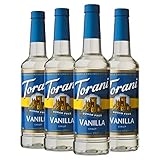
- Sugar Free Vanilla Syrup: This sugar free flavored syrup delivers rich, pure vanilla taste with zero sugar and zero calories; Add a splash to coffee, lattes, tea, sodas and more
- Skip The Extra Calories: Enjoy drinks, desserts, and other treats made with our Sugar Free syrups, sweetened with sucralose and naturally fat free; 0 Calories, 0 Sugar, 0 Carbs, Keto Friendly, Gluten Free, and Kosher
- Embrace Your Inner Flavorista: Torani makes a wide array of syrups and sauces in tantalizing flavors to help you create your own homemade coffeehouse favorites, fruity delights and custom soda creations
- Authentic Coffeehouse Flavor: From caramel to French vanilla to hazelnut and everything in between, our syrups and sauces are here to help you create tantalizing lattes, cappuccinos, cold brews and frappes
- Mix Up Some Magic: Discover how our syrups can help you make truly creative flavored teas, lemonades, smoothies, Italian sodas, coffees, cocktails, mocktails, snow cones, sparkling waters and more
Key Terms and Definitions
- Calorie: A unit of energy found in food and drinks. Consuming more calories than you burn leads to weight gain.
- Metabolism: The chemical processes that occur within a living organism in order to maintain life. This includes how your body burns calories for energy.
- Caffeine: A stimulant found naturally in coffee beans, tea leaves, and cocoa beans. It affects the central nervous system.
- Thermogenesis: The process by which your body generates heat. Caffeine can increase this, burning more calories.
- Appetite Hormones: Chemical messengers that regulate hunger and fullness (e.g., ghrelin, leptin).
- Insulin: A hormone that regulates blood sugar. High sugar intake can lead to insulin resistance, which is linked to weight gain.
- Empty Calories: Calories from foods or drinks that provide little to no nutritional value. Sugary coffee drinks are a prime example.
- Net Calories: The total calories consumed minus the calories burned through physical activity.
- Glycemic Index (GI): A measure of how quickly a food causes blood sugar levels to rise. Added sugars in coffee drinks can have a high GI.
- Nutrient Density: The amount of beneficial nutrients in a food or drink relative to its calorie content. Black coffee is nutrient-dense for its calorie count.
How Coffee Affects Your Body
- Calorie Content: Pure, black coffee has almost zero calories. It’s a good way to get a beverage without adding significant energy.
- Caffeine Kick: Caffeine is a stimulant. It can increase your heart rate and signal your body to burn more energy.
- Metabolic Boost: This caffeine effect can lead to a temporary increase in your metabolic rate, a process called thermogenesis. Think of it as your body working a little harder.
- Fat Mobilization: Caffeine can also help break down stored body fat, making it available for use as energy. This is a small but measurable effect.
- Appetite Influence: Some research suggests caffeine might affect hormones that control hunger. It could potentially reduce appetite for a short period.
- Diuretic Effect: Coffee can act as a mild diuretic, meaning it can make you urinate more. This can lead to temporary water weight loss, but it’s not fat loss.
- Energy Levels: By blocking adenosine (a chemical that makes you feel tired), caffeine can increase alertness and energy. This might encourage more physical activity.
- Gut Microbiome: Emerging research is exploring how coffee might interact with the bacteria in your gut, which plays a role in metabolism and weight.
- Blood Sugar Impact: Unsweetened coffee generally has little effect on blood sugar. However, sugary additions can cause spikes.
- Cortisol Levels: Caffeine can temporarily increase cortisol, the stress hormone. Chronic high cortisol is sometimes linked to weight gain, especially around the belly.
What Affects How Coffee Impacts Your Weight
- What You Add: This is HUGE. Sugar, cream, syrups, whipped cream – these pile on the calories and sugar faster than you can blink. A fancy latte can easily pack hundreds of calories.
- Amount of Sugar: Even a teaspoon of sugar adds about 16 calories. Several a day add up.
- Type of Milk/Creamer: Whole milk, half-and-half, and heavy cream are calorie-dense. Lighter options like skim milk or unsweetened plant-based milks are better bets.
- Portion Size: A large mocha with extra whip has way more impact than a small black coffee.
- Frequency of Consumption: Drinking multiple high-calorie coffee drinks daily will have a much bigger effect than one occasionally.
- Your Baseline Metabolism: Some people naturally burn more calories than others. Caffeine’s boost might be more noticeable in some individuals.
- Your Diet Overall: Coffee is just one part of your diet. If the rest of your eating habits are unhealthy, coffee’s impact will be overshadowed.
- Your Activity Level: If you’re sedentary, the extra calories from a sweetened coffee are more likely to be stored. If you’re active, you might burn them off.
- Genetics: Your genes can influence how your body processes caffeine and fat.
- Time of Day: Drinking coffee late might affect sleep, and poor sleep is linked to weight gain.
- How You Brew: While not a direct weight factor, some brewing methods might extract different compounds from the bean. It’s more about flavor, usually.
- Freshness of Beans: Stale beans might lead to a less enjoyable cup, making you more likely to “fix” it with sugar and cream. This is a stretch, but hey, it’s about the coffee experience.
Pros, Cons, and When It Matters
- Pro: Low Calorie (Black Coffee): Great for hydration and a caffeine fix without the caloric penalty. Matters for anyone watching their intake.
- Con: Calorie Bombs (Additives): Sugary, creamy drinks can easily derail a diet. Matters big time if you’re trying to lose weight.
- Pro: Metabolism Boost: Caffeine can help burn a few extra calories. Matters for those seeking a small edge in weight management.
- Con: Temporary Effect: The metabolic boost is short-lived. It’s not a magic bullet for long-term weight loss.
- Pro: Appetite Suppression: Might help curb hunger for some. Matters if you struggle with snacking between meals.
- Con: Sleep Disruption: Too much caffeine, especially late, messes with sleep. Poor sleep is linked to weight gain. Matters for overall health.
- Pro: Improved Performance: Increased energy can lead to better workouts. Matters for fitness goals.
- Con: Digestive Issues: Coffee can cause stomach upset or heartburn for some. Matters for comfort.
- Pro: Rich in Antioxidants: Coffee has beneficial compounds. Matters for general health, not direct weight.
- Con: Addiction Potential: Caffeine dependence is real. Matters if you get headaches when you miss your cup.
- Pro: Social Ritual: Coffee breaks can be a nice social or personal pause. Matters for mental well-being.
- Con: Cost: Fancy coffee shop drinks add up fast. Matters for your wallet.
Common Misconceptions About Coffee and Weight
- Myth: Coffee makes you fat. Nope. Black coffee is virtually calorie-free. It’s the stuff you add that packs the punch.
- Myth: You can drink unlimited coffee and still lose weight. Not true. While black coffee might help a little, overall calorie balance is king.
- Myth: Coffee burns a massive amount of calories. The metabolic boost is real but modest. Don’t expect it to replace exercise.
- Myth: Decaf coffee has no effect on weight. Decaf still has some caffeine, and the metabolic effects are similar, though reduced. The main difference is the stimulant kick.
- Myth: Coffee is dehydrating. While it’s a mild diuretic, moderate consumption usually doesn’t lead to dehydration. You still get fluids from it.
- Myth: Coffee causes cellulite. There’s no scientific evidence linking coffee consumption directly to cellulite formation.
- Myth: If you feel jittery, you’re burning more fat. Jitters are a sign of too much caffeine for your system, not necessarily efficient fat burning.
- Myth: Coffee is inherently unhealthy. For most people, moderate consumption of black coffee is healthy and even beneficial.
- Myth: Espresso is “stronger” and burns more calories. Espresso has more caffeine per ounce, but a standard shot is usually less total caffeine than a regular cup of drip coffee. The calorie burn difference is negligible.
- Myth: Coffee stunts your growth. This is an old wives’ tale. It has no impact on physical growth.
FAQ
- Q: Can drinking coffee help me lose weight?
A: Black coffee, due to its caffeine content, can slightly boost your metabolism and potentially curb appetite temporarily. However, it’s not a magic weight loss solution. Your overall diet and exercise habits are far more important.
- Q: How much weight can I expect to lose from drinking coffee?
A: You shouldn’t expect significant weight loss solely from coffee. The metabolic boost is minor. Focus on a balanced diet and regular activity for sustainable results.
- Q: Is it okay to add sugar and cream to my coffee if I’m trying to lose weight?
A: It’s best to limit or avoid added sugars and high-fat creamers. These additions can turn a calorie-free drink into a significant source of calories, hindering weight loss efforts.
- Q: Does the type of coffee bean affect weight gain?
A: No, the type of coffee bean (Arabica, Robusta, etc.) does not directly affect weight gain. The preparation and any additions are what matter for calorie content.
- Q: What’s the best way to drink coffee for weight management?
A: The simplest and best way is to drink it black or with a splash of unsweetened milk (dairy or plant-based). This keeps the calorie count extremely low.
- Q: Can caffeine in coffee interfere with my sleep, and how does that relate to weight?
A: Yes, caffeine can disrupt sleep, especially if consumed late in the day. Poor sleep is linked to hormonal changes that can increase appetite and promote fat storage, potentially leading to weight gain.
- Q: I heard coffee can make you feel full. Is this true?
A: Some people report feeling less hungry after drinking coffee, likely due to caffeine’s effect on appetite hormones. This effect is temporary and varies between individuals.
- Q: What about “bulletproof” coffee with butter and MCT oil? Does that cause weight gain?
A: These drinks are very high in calories and fat. While some people use them for specific dietary approaches, they will contribute to weight gain if consumed in excess or without accounting for their caloric density.
What This Page Does NOT Cover (And Where to Go Next)
- Specific Diet Plans: This page focuses on coffee’s role, not comprehensive weight loss strategies. Look into balanced nutrition and calorie deficit principles.
- Exercise Routines: While coffee might enhance workouts, this article doesn’t detail specific exercise plans. Explore general fitness guidelines.
- Detailed Nutritional Information for Specific Coffee Drinks: We discussed general additives, but a deep dive into the exact calorie counts of every latte variation is beyond scope. Check restaurant menus or nutritional databases.
- Medical Advice for Weight-Related Health Issues: If you have serious concerns about your weight or health, consult a doctor or a registered dietitian.
- The Science of Caffeine Metabolism in Detail: This article touches on it, but for a deeper understanding, research the pharmacology of caffeine.