
Does Coffee Cause A Racing Heart? Understanding The Effects
Quick answer
- Caffeine, the primary stimulant in coffee, can temporarily increase heart rate and blood pressure for some individuals.
- The intensity of this effect varies greatly depending on personal sensitivity, the amount of coffee consumed, and the brewing method.
- For most healthy adults, moderate coffee consumption is not linked to long-term heart problems.
- Factors like sleep, stress, and genetics play a significant role in how your body reacts to coffee.
- If you experience persistent or concerning heart palpitations after drinking coffee, it’s best to consult a healthcare professional.
- Decaffeinated coffee offers a way to enjoy the flavor without the stimulant effects.
If you’re looking to enjoy the flavor of coffee without the stimulant effects, consider trying decaffeinated coffee. It offers a great alternative for those sensitive to caffeine.

- Balanced, full-bodied medium roast with a smooth finish
- One 12-ounce bag of ground coffee
- Decaffeinated
- 100% Arabica coffee grown in Colombia
- Roasted and packed in the U.S.A.
Key terms and definitions
- Caffeine: A natural stimulant found in coffee beans, tea leaves, and cacao pods, known for its effects on the central nervous system.
- Heart Rate: The speed of the heartbeat measured by the number of contractions of the heart per minute (bpm).
- Blood Pressure: The force of blood pushing against the walls of your arteries. It’s measured in millimeters of mercury (mmHg) and has two numbers: systolic (top) and diastolic (bottom).
- Palpitations: A feeling that your heart is beating too hard, too fast, skipping a beat, or fluttering.
- Stimulant: A substance that raises levels of physiological or nervous activity in the body.
- Adenosine: A neurotransmitter that promotes relaxation and sleepiness; caffeine blocks its receptors.
- Vasoconstriction: The narrowing of blood vessels, which can temporarily increase blood pressure.
- Tolerance: The body’s decreased response to a drug or substance after repeated use.
- Decaffeination: The process of removing caffeine from coffee beans, typically using solvents or water-based methods.
- Genetics: The inherited traits that can influence how your body metabolizes caffeine and reacts to its effects.
How it works
- Coffee contains caffeine, a psychoactive stimulant.
- Caffeine works by blocking adenosine receptors in the brain. Adenosine is a chemical that makes you feel tired.
- By blocking adenosine, caffeine increases alertness and can stimulate the release of adrenaline.
- Adrenaline is a hormone that triggers the “fight or flight” response.
- This response can lead to a temporary increase in heart rate and blood pressure.
- Caffeine can also affect calcium levels within cells, which can influence muscle contractions, including those of the heart.
- The diuretic effect of coffee is often cited, but it’s generally mild and unlikely to cause dehydration in moderate amounts.
- Individual metabolism rates for caffeine vary, meaning some people process it faster than others.
- The overall experience is a complex interplay between caffeine’s chemical actions and your body’s unique physiological responses.
While coffee is a common source of caffeine, if you’re interested in understanding its direct effects, you might also explore caffeine supplements to see how your body reacts.
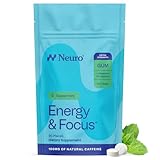
- Fast-Acting Nootropic - Our energy supplements deliver an extra boost of energy and clarity with a blend of natural caffeine, L-theanine, and vitamin b6 & b12. Your go-to chewing gum for work, exercise, and daily focus!
- Clean Energy - Each piece of our sugar free gum delivers 100mg of natural caffeine from green coffee beans for a smooth energy boost without crashes or jitters.
- The Perfect Balance - With 60mg of L-theanine per piece, our energy and focus formula promotes enhanced focus and stress reduction to smooth energy boosts.
- How to Use - Chew one piece of the caffeine gum whenever focus or energy is lacking. Ideal for mornings, pre-workout, or afternoon slumps. Effects typically kick in within minutes thanks to optimal absorption through the mouth.
- Made by Neuro, Backed by Science - At Neuro, we combine neuroscience with clean, science backed ingredients to help you do more, think better, and feel your best every single day.
What affects the result
- Caffeine Content: Different coffee beans and brewing methods yield varying amounts of caffeine per serving. Espresso, for example, is concentrated but served in smaller volumes.
- Personal Sensitivity: Some individuals are genetically predisposed to be more sensitive to caffeine’s effects than others.
- Amount Consumed: Drinking one cup of coffee will likely have a different impact than drinking several.
- Brewing Method: Methods like drip, French press, or espresso can extract different amounts of caffeine and other compounds.
- Grind Size: Finer grinds generally lead to more extraction and potentially higher caffeine levels in the final cup.
- Roast Level: Lighter roasts tend to retain slightly more caffeine than darker roasts, though the difference is often minimal.
- Freshness of Beans: While not directly impacting heart rate, older beans might have subtle changes in flavor and compound extraction.
- Water Temperature: Optimal brewing temperatures are crucial for proper extraction; too hot or too cold can affect the final brew’s characteristics.
- Diet and Hydration: What you eat and how much water you drink can influence how your body absorbs and reacts to caffeine.
- Sleep Quality: Being sleep-deprived can make you more susceptible to the stimulating effects of caffeine.
- Stress Levels: High stress can amplify the body’s response to stimulants like caffeine.
- Medications: Certain medications can interact with caffeine metabolism or its physiological effects.
Pros, cons, and when it matters
- Pro: Increased Alertness: Caffeine can temporarily improve focus, alertness, and cognitive function, which can be beneficial for tasks requiring concentration.
- Con: Temporary Heart Rate Increase: For some, coffee can cause a noticeable, though usually temporary, rise in heart rate.
- Pro: Antioxidant Properties: Coffee contains antioxidants that may offer health benefits.
- Con: Sleep Disruption: Consuming coffee too late in the day can interfere with sleep patterns.
- Pro: Improved Physical Performance: Caffeine is known to enhance athletic performance by increasing adrenaline.
- Con: Anxiety and Jitters: High doses or sensitivity can lead to feelings of anxiety, nervousness, or jitters.
- Pro: Social Ritual: The act of preparing and drinking coffee can be a relaxing social or personal ritual.
- Con: Digestive Issues: For some, coffee can trigger heartburn or upset stomach.
- Pro: Potential Mood Enhancement: Coffee consumption is sometimes linked to a reduced risk of depression.
- Con: Dependency and Withdrawal: Regular heavy consumption can lead to caffeine dependency, with withdrawal symptoms like headaches and fatigue if stopped.
- Pro: Enjoyable Flavor: Many people simply enjoy the taste and aroma of coffee.
- Con: Interaction with Certain Conditions: Individuals with specific heart conditions, anxiety disorders, or certain medical sensitivities may need to limit or avoid coffee.
Common misconceptions
- Myth: All coffee has the same amount of caffeine. The caffeine content varies significantly based on bean type, roast, grind, and brewing method.
- Myth: Coffee is inherently bad for your heart. For most healthy individuals, moderate coffee consumption is not linked to an increased risk of heart disease.
- Myth: Coffee dehydrates you. While coffee has a mild diuretic effect, it’s generally not enough to cause dehydration in moderate amounts.
- Myth: Dark roast coffee has more caffeine. Lighter roasts typically retain slightly more caffeine than darker roasts, though the difference is often small.
- Myth: You can build a tolerance to all of caffeine’s effects. While tolerance to some effects like alertness can develop, sensitivity to others like sleep disruption may persist.
- Myth: Decaf coffee has zero caffeine. Decaffeinated coffee still contains a small residual amount of caffeine, though significantly less than regular coffee.
- Myth: Coffee always causes anxiety. Anxiety from coffee is highly individual and depends on dose, sensitivity, and other factors.
- Myth: Coffee is addictive like hard drugs. Caffeine dependency is generally considered mild compared to the addiction associated with illicit substances.
- Myth: Coffee will make you gain weight. Coffee itself has negligible calories; weight gain is usually from added sugar, cream, or syrups.
- Myth: You must avoid coffee if you have high blood pressure. Many people with controlled high blood pressure can consume coffee in moderation; it’s best to consult a doctor.
FAQ
Q1: Does coffee always make your heart race?
No, not everyone experiences a racing heart from coffee. It depends on individual sensitivity, the amount consumed, and other personal factors.
Q2: How much coffee is too much for my heart?
General guidelines suggest up to 400 milligrams of caffeine per day (about 4 cups of brewed coffee) is safe for most healthy adults. However, this can vary greatly by individual.
Q3: Can coffee cause heart palpitations?
Yes, for some sensitive individuals or when consumed in large quantities, coffee can trigger heart palpitations or a feeling of skipped beats.
Q4: Is it safe to drink coffee if I have a heart condition?
It’s crucial to consult your doctor. While moderate consumption may be fine for some, others with specific heart conditions may need to limit or avoid coffee.
Q5: How can I enjoy coffee without the racing heart effect?
Try switching to decaffeinated coffee, reducing your intake, or ensuring you are well-hydrated and have had adequate sleep before drinking it.
Q6: Does the type of coffee maker matter for heart effects?
The brewing method can influence caffeine extraction, but the primary driver of the heart effect is the caffeine itself, not the maker.
Q7: Will drinking coffee on an empty stomach make my heart race more?
Some people report increased sensitivity when drinking coffee on an empty stomach, but this is not a universal experience.
Q8: Can I drink coffee if I’m feeling stressed?
If you’re already stressed, adding caffeine might amplify those feelings and potentially increase your heart rate more than usual.
What this page does NOT cover (and where to go next)
- Specific medical advice for heart conditions; consult a healthcare professional.
- Detailed comparisons of caffeine content across every single coffee brand and roast.
- Nutritional information for coffee with various additions like cream and sugar.
- The complex biochemistry of caffeine metabolism in the human body.
- Recommendations for specific coffee brands or brewing equipment.