
Does Black Coffee Cause Bad Breath? Causes and Solutions
Quick Answer
- Yeah, black coffee can definitely be a breath bomber.
- It’s a combo of things: dryness, acidity, and bacteria love.
- The acids and sugars left in your mouth are prime real estate for odor-causing bugs.
- Plus, that dry mouth feeling? It’s like a welcome mat for bad breath.
- Good news: simple fixes can tame the coffee breath beast.
- Stay hydrated, brush up, and maybe consider a rinse.
Key Terms and Definitions
- Bad Breath (Halitosis): The common term for an unpleasant odor coming from your mouth.
- Acidity: Coffee’s natural pH level. High acidity can contribute to mouth dryness.
- Dehydration: When your body loses more fluid than it takes in, leading to a dry mouth.
- Bacteria: Microscopic organisms, some of which produce odor-causing compounds in your mouth.
- Saliva: Spit. It’s your mouth’s natural cleaner, washing away food particles and bacteria.
- pH: A scale measuring acidity or alkalinity. Lower pH means more acidic.
- Lingual Papillae: The little bumps on your tongue. They can trap bacteria and coffee residue.
- Volatile Sulfur Compounds (VSCs): The stinky gases produced by bacteria that cause most bad breath.
- Oral Microbiome: The community of bacteria living in your mouth.
How Black Coffee Makes Your Breath Smell
- Dries You Out: Coffee is a diuretic. It makes you pee more, which can lead to dehydration. Less saliva means less natural mouth cleaning.
- Acidity Attack: Coffee is acidic. This acidity can mess with your mouth’s pH balance, creating a better environment for odor-causing bacteria to thrive.
- Sticky Residue: Coffee leaves behind oils and tiny coffee particles. These stick to your tongue and teeth, giving bacteria something to munch on.
- Bacteria Buffet: The combination of dryness and food particles creates a perfect buffet for bacteria. They break down these bits and produce stinky volatile sulfur compounds.
- Tongue Traps: The rough surface of your tongue, especially the papillae, can hold onto coffee residue and bacteria. This is a major spot for stink to build up.
- Post-Nasal Drip: Sometimes, coffee can trigger a bit of post-nasal drip. Mucus draining down your throat can also contribute to bad breath.
- Lingering Aroma: Let’s be real, the smell of coffee is strong. That aroma itself can linger in your mouth and throat for a while.
What Affects Your Coffee Breath
- Water Intake: How much water you drink alongside or after your coffee is huge. Staying hydrated is key.
- Coffee Strength: A super strong brew might have more oils and acids to contend with.
- Roast Level: Darker roasts might have different compounds than lighter ones, though both can cause issues.
- Grind Size: Finer grinds can sometimes lead to more residue if not cleaned properly.
- Brewing Method: Drip, French press, espresso – each leaves slightly different residues.
- Bean Freshness: Older beans might have compounds that interact differently.
- Your Oral Hygiene: How well you brush and floss makes a big difference.
- Tongue Cleaning: Not everyone scrapes their tongue, but it’s a game-changer for coffee breath.
- Diet: What else you’ve eaten that day plays a role.
- Medications: Some meds cause dry mouth, which coffee can worsen.
- Time of Day: Your saliva production naturally dips overnight, so morning coffee breath can be rough.
- Additives: Sugar, milk, or cream? They add fuel for bacteria, making the problem worse than black coffee alone.
Staying hydrated is crucial, so consider keeping a good water bottle handy to sip throughout the day.

- 30-ounce insulated stainless steel water bottle with extra features: includes a 2-in-1 spout that lets you choose how you drink; push-button, leak-proof lid that locks for all your adventures
- Choose your sip style—straw or swig: Patented 2-in-1 FreeSip spout is one of a kind; it lets you sip upright through the built-in straw or swig by tilting back the spout
- Hygienic push-button lid and easy carry handle: closed lid keeps spout covered and clean between sips; ergonomic bucket handle makes transport easy for sports, campsites, road trips, school, and work
- Keeps water cold and fits where you need: Triple-layer insulation keeps drinks colder up to 24 hours; wide opening for easy cleaning and extra ice; cupholder friendly base fits most car cupholders
- Safe materials and simple care instructions: BPA, lead, and phthalate-free for safe drinking; hand wash the cup,lid is dishwasher safe and can be easily disassembled; not for use with hot liquids
Pros, Cons, and When It Matters
- Pro: The Ritual: For many, that first cup of coffee is a sacred morning ritual. It’s hard to give up.
- Con: Breath Odor: The obvious downside is the potential for unpleasant breath.
- Pro: Alertness: Coffee wakes you up and helps you focus. That’s a big win.
- Con: Dry Mouth: Feeling like a desert in your mouth isn’t pleasant.
- Pro: Antioxidants: Coffee has some beneficial compounds.
- Con: Acidity Issues: Can aggravate heartburn or stomach issues for some.
- Pro: Social Lubricant: A coffee break can be a great way to connect.
- Con: Dental Concerns: Prolonged acidity and residue can potentially impact tooth enamel over time.
- When It Matters: First Dates: Maybe hold off on that second espresso before meeting someone new.
- When It Matters: Important Meetings: You don’t want your breath to be the topic of discussion.
- When It Matters: After a Workout: If you’re already dehydrated, coffee can amplify the effect.
- When It Matters: For Sensitive Stomachs: If coffee already causes you issues, bad breath might be another symptom to watch.
Common Misconceptions
- Myth: Only sugary coffee causes bad breath. Nope. Black coffee has its own set of breath-busting culprits.
- Myth: Bad breath from coffee is permanent. It’s usually temporary and manageable with simple steps.
- Myth: Coffee itself smells bad. The smell of coffee is great. It’s what happens after you drink it that causes the odor.
- Myth: If you can’t smell it, your breath is fine. Others might notice it even if you don’t.
- Myth: Rinsing with water is enough. It helps, but it often doesn’t tackle the bacteria and residue effectively.
- Myth: Chewing gum instantly fixes it. It can mask it temporarily, but doesn’t address the root cause.
- Myth: Only cheap coffee causes bad breath. The acidity and oils are present in most coffee.
- Myth: You have to stop drinking coffee. Not at all. You just need to manage the side effects.
FAQ
Q: Does adding milk or sugar make coffee breath worse?
A: Absolutely. Milk and sugar provide more food for the bacteria in your mouth, leading to more odor production. Black coffee is generally better for breath than a loaded latte, but still poses challenges.
Q: How long does coffee breath last?
A: It varies, but typically the immediate effects of dryness and lingering aroma can last for an hour or two after your last sip. Proper cleaning can speed this up.
Q: Can I drink coffee and still have fresh breath?
A: Yes. It takes a bit of effort. Staying hydrated, cleaning your mouth well, and perhaps using a breath spray or mint can help.
Q: Is there a specific type of coffee that’s better or worse for breath?
A: While all coffee can contribute, some find darker roasts or more acidic beans slightly worse. However, the biggest factors are how you brew it and your personal reaction.
Q: What’s the best way to get rid of coffee breath immediately?
A: A quick rinse with water, followed by brushing your teeth and tongue, is usually the most effective immediate fix.
For an extra layer of freshness, a specialized mouthwash for bad breath can be a great addition to your routine.
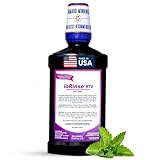
- MOLECULAR IODINE FORMULA: ioRinse RTU Mouthwash features a patented molecular iodine formula designed to target halitosis at its source. This professional strength dental rinse is used in thousands of dental offices for effective oral care. The mouthwash alcohol free formula provides a gentle and reliable rinse which supports a fresh, long-lasting, clean mouth feeling.
- PROFESSIONAL LEVEL ORAL CLEANING: The unique molecular iodine formula delivers a professional level cleaning experience tested and shown to stop bad breath in its tracks. This bad breath mouth wash works so effectively as a mouthrinse it is used and trusted by dental offices nationwide. Simply rinse for 30 seconds and spit to enjoy the same trusted strength relied upon by dental professionals.
- ALCOHOL FREE FORMULA: This dental mouthwash is formulated without alcohol, making it a suitable option for those who prefer an alcohol free mouthwash for adults. The gentle, but powerful formula is designed for daily oral care and provides a clean, fresh feeling. Its balanced formulation has received first-place professional recognition for its effectiveness in oral hygiene.
- FLUORIDE FREE MOUTHWASH: ioRinse RTU is a mouth wash fluoride free formula designed for individuals who prefer fluoride free oral care products. This refreshing oral rinse helps maintain a clean feeling after every use. Designed for daily use, this mouth wash for bad breath is recommended by more dentists than any other rinse of its kind. It supports a fresh, comfortable mouth while providing a professional-strength rinse experience.
- GENTLE FOR SENSITIVE TEETH: The alcohol free formulacontains molecular iodine which soothes irritated and sensitive tissue and makes this mouthwash for sensitive teeth a suitable option for everyday oral care. ioRinse RTU oral rinse mouthwash provides a gentle yet highly effective cleaning experience while helping maintain a fresh feeling after use. Its balanced formulation is trusted and recommended by thousands of many dental professionals.
Q: Does coffee cause permanent bad breath?
A: No, coffee breath is temporary. However, if you have poor oral hygiene and drink coffee regularly, it can contribute to persistent bad breath issues over time.
Q: What if my breath still smells bad after brushing?
A: If bad breath persists even after good hygiene and avoiding coffee, it might be a sign of another underlying issue. It’s worth talking to your dentist or doctor.
What This Page Does NOT Cover (and Where to Go Next)
- Specific dental treatments for chronic halitosis.
- The impact of coffee on overall digestive health.
- Detailed comparisons of different coffee bean origins and their breath effects.
- Advanced oral hygiene techniques like oil pulling.
- Recipes for coffee-free morning beverages.