
DIY Mushroom Powder for Your Coffee
Quick Answer
- Dry your mushrooms thoroughly before grinding.
- Use a spice grinder or high-powered blender for a fine powder.
- Store your mushroom powder in an airtight container away from light and heat.
- Start with a small amount, like 1/2 teaspoon, and adjust to taste.
- Consider a blend of functional mushrooms for a wider range of benefits.
- Always source high-quality, food-grade mushrooms for consumption.
Who This Is For
- Coffee drinkers looking to explore functional mushrooms.
- Home brewers interested in adding natural supplements to their routine.
- DIY enthusiasts who like making their own ingredients.
What to Check First
Brewer Type and Filter Type
Your coffee maker and its filter are the starting point. A French press uses a metal filter, allowing more oils and fines through. A pour-over with a paper filter will give you a cleaner cup. Your mushroom powder will integrate differently depending on these. A finer powder might clog a paper filter faster.
Water Quality and Temperature
Good coffee starts with good water. If your tap water tastes off, your coffee will too. Filtered water is usually best. For brewing, aim for water between 195-205°F (90-96°C). Too hot and you can scorch the grounds; too cool and you won’t extract enough flavor. This temperature range is also good for dissolving your mushroom powder.
Grind Size and Coffee Freshness
Freshly roasted coffee beans, ground just before brewing, make a huge difference. For mushroom powder, you want it as fine as possible for easy mixing. If your powder is too coarse, it might settle at the bottom of your cup. Aim for a consistency similar to powdered sugar.
Coffee-to-Water Ratio
A common starting point for coffee is a 1:15 to 1:18 ratio (coffee to water by weight). For example, 20 grams of coffee to 300-360 grams of water. When adding mushroom powder, you’re essentially adding a dry ingredient. You might need to slightly adjust your coffee or water to compensate, but start by adding the powder to your brewed coffee.
Cleanliness/Descale Status
A clean brewer is crucial for good flavor. Old coffee oils can go rancid and ruin your cup. If you haven’t descaled your machine in a while, mineral buildup can affect both taste and performance. A clean machine means a clean slate for your mushroom-infused coffee.
Step-by-Step: How to Make Mushroom Powder for Coffee
1. Source Your Mushrooms: Get dried, food-grade mushrooms. Lion’s Mane, Chaga, Reishi, and Cordyceps are popular choices for cognitive and immune support. I like to get mine from reputable online suppliers.
- What “good” looks like: Dried mushrooms that are not brittle or moldy, with a consistent color.
- Common mistake: Using fresh mushrooms. They have too much moisture and will not grind properly. Always use dried.
To start making your own mushroom powder, you’ll need to source high-quality, dried, food-grade mushrooms. Reputable online suppliers are a great place to find varieties like Lion’s Mane or Chaga.

- Assorted Dried Wild Mushrooms: This mushroom blend consists of four different types of mushrooms, namely porcini, shiitake, oyster, and champignon mushrooms. It combines rare premium fungi that are carefully selected to create an exclusive, luxurious flavor profile that far surpasses ordinary mushroom blends
- Pre - cut: The pre - treatment of dry mushroom particles will make your cooking process more convenient. Don't worry about the hassle of meal prep
- Versatile Eating: Add texture and bold flavor to your pan sauces, soups, pasta, and more. These dried mixed mushrooms infuse every homemade dish with deep, layered mushroom umami for an effortless gourmet taste
- Premium Quality: Expertly sorted, graded, and cleaned by hand. The packaging meets all US Food Manufacturing Standards for cleanliness and purity
- Quick Rehydration: Soak these dried mushrooms in warm water for 15 minutes and then rinse
2. Ensure They Are Completely Dry: Even if you buy them dried, double-check. Spread them on a baking sheet and place them in a very low oven (around 150°F or 65°C) for an hour or two, or use a dehydrator.
- What “good” looks like: The mushrooms snap easily when bent, with no give.
- Common mistake: Under-drying. This leads to clumpy powder and potential spoilage. Patience is key here.
3. Break Down Large Pieces: If your dried mushrooms are still quite large, break them into smaller chunks by hand or with a mortar and pestle. This helps your grinder work more efficiently.
- What “good” looks like: Pieces small enough to fit comfortably into your grinder’s chamber.
- Common mistake: Trying to grind massive pieces. It strains your grinder and can lead to uneven powder.
4. Grind to a Fine Powder: Use a dedicated spice grinder or a high-powered blender. Grind in short bursts, shaking the grinder between pulses, until you have a very fine, consistent powder.
- What “good” looks like: A powder as fine as flour or powdered sugar. No visible chunks.
- Common mistake: Overheating the grinder. Let it cool down if it gets hot to avoid damaging the motor or “cooking” the powder.
Once your mushrooms are completely dry and broken down, it’s time to grind them into a fine powder. A dedicated spice grinder works best for achieving a consistent, flour-like texture.
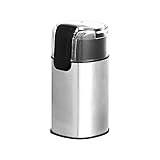
- Electric coffee bean grinder appliance for home use
- Can grind 30 grams/1 ounce of beans for drip coffee brewing in 10 seconds
- Grind coffee beans, herbs, spices, grains, nuts, and more
- Clear safety lid allows you to easily see the results in progress
- Heavy-duty stainless steel grind blade
5. Sift for Finer Consistency (Optional): For an ultra-fine powder, sift it through a fine-mesh sieve. Re-grind any larger particles that remain.
- What “good” looks like: A super smooth powder that feels silky between your fingers.
- Common mistake: Skipping this step if you want the smoothest possible integration into your coffee.
6. Store Properly: Transfer the mushroom powder into a clean, airtight glass jar or container. Store it in a cool, dark place, like a pantry.
- What “good” looks like: A dry, sealed container that protects from light, air, and moisture.
- Common mistake: Leaving it in a plastic bag or an open container. This allows moisture and light to degrade its quality and potency.
7. Prepare Your Coffee: Brew your coffee as you normally would. Whether it’s drip, pour-over, or French press, make your favorite cup.
- What “good” looks like: A fresh, hot cup of coffee brewed to your liking.
- Common mistake: Using stale coffee or an old brew. It’s a waste of good mushroom powder.
8. Add Mushroom Powder: Stir in your desired amount of mushroom powder. Start small – 1/2 to 1 teaspoon is a good starting point per cup. Stir well to ensure it dissolves.
- What “good” looks like: The powder fully integrates into the coffee with minimal clumping.
- Common mistake: Dumping a large amount in all at once. It’s harder to mix and can lead to a gritty texture.
9. Stir and Enjoy: Give it a final stir. Some powders might settle slightly, so a quick re-stir before each sip is a good idea.
- What “good” looks like: A smooth, evenly mixed beverage.
- Common mistake: Not stirring enough. You’ll end up with a concentrated sip at the bottom.
Common Mistakes (and What Happens If You Ignore Them)
| Mistake | What It Causes | Fix |
|---|---|---|
| Using fresh mushrooms | Inability to grind, clumpy powder, potential mold growth. | Always use dried, food-grade mushrooms. |
| Insufficient drying | Clumpy powder, reduced shelf life, potential spoilage. | Ensure mushrooms snap when bent; use a dehydrator or low oven if needed. |
| Grinding too coarse | Gritty texture in coffee, powder settling at the bottom. | Grind in short bursts, shake grinder, sift if necessary for a fine powder. |
| Overheating grinder | Degraded potency, burnt taste, damaged grinder motor. | Grind in short pulses, allow grinder to cool between uses. |
| Improper storage (air/light/moisture) | Loss of potency, clumping, off-flavors, shorter shelf life. | Store in an airtight, dark glass container in a cool, dry place. |
| Adding too much powder at once | Difficulty dissolving, gritty texture, overpowering flavor. | Start with 1/2-1 tsp per cup and gradually increase. Stir well. |
| Not stirring adequately | Uneven distribution, concentrated “mud” at the bottom of the cup. | Stir thoroughly after adding powder and before drinking. Re-stir if needed. |
| Using a dirty grinder | Contamination of powder with old spices or coffee, off-flavors. | Clean your grinder thoroughly before and after use, especially if not dedicated to mushrooms. |
| Using low-quality or non-food-grade mushrooms | Potential health risks, unpleasant taste, lack of desired benefits. | Source only from reputable suppliers of food-grade functional mushrooms. |
| Not integrating with coffee workflow | Powder doesn’t mix well, or you forget to add it. | Treat it like any other coffee addition; find a rhythm that works for you. |
Decision Rules
- If your mushroom powder is clumping, then it likely has too much moisture. Re-dry it before grinding again.
- If your coffee tastes bitter after adding mushroom powder, then you might have used too much powder or your coffee was brewed too hot. Reduce the powder amount or check your brewing temperature.
- If you notice a gritty texture, then your powder isn’t fine enough. Grind it more or sift it.
- If your powder has a short shelf life or smells off, then it wasn’t stored correctly. Ensure an airtight, dark, cool, and dry environment.
- If you’re new to mushroom powders, then start with a single-type mushroom like Lion’s Mane before trying blends.
- If you experience digestive upset, then reduce the dosage. Some people are sensitive to certain mushrooms.
- If you’re making a large batch, then divide it into smaller, well-sealed containers to maintain freshness.
- If your grinder struggles, then break down the mushroom pieces further before grinding.
- If you want to maximize solubility, then stir the powder into hot, but not boiling, coffee.
- If you’re unsure about the benefits of a specific mushroom, then do a little research on its properties.
- If you’re using a French press, then you might notice more sediment with mushroom powder. A fine powder and a good plunge can help, but some sediment is normal.
FAQ
What kind of mushrooms can I use?
You’ll want to use dried, food-grade functional mushrooms, not culinary ones you’d find at the grocery store. Popular choices include Lion’s Mane for focus, Chaga for immunity, Reishi for relaxation, and Cordyceps for energy.
How much mushroom powder should I add to my coffee?
Start small. A common recommendation is 1/2 to 1 teaspoon per 8-ounce cup of coffee. You can gradually increase the amount as you get used to the taste and effects.
Will mushroom powder change the taste of my coffee?
It depends on the mushroom and the amount used. Some, like Lion’s Mane, have a mild, earthy flavor that blends well. Others, like Reishi, can be more bitter. You might need to experiment to find what you like.
How do I store homemade mushroom powder?
Store it in an airtight glass container in a cool, dark place, like your pantry. This will help preserve its potency and prevent it from going stale or clumping.
Can I grind mushrooms in my regular coffee grinder?
It’s best to use a dedicated spice grinder for your mushroom powder. If you use your coffee grinder, ensure it’s thoroughly cleaned to avoid cross-contamination of flavors.
What if my powder is clumpy?
Clumpy powder usually means it still contains too much moisture. Spread it out on a baking sheet and dry it further in a very low oven or a dehydrator before grinding again.
Are there any side effects?
Most people tolerate functional mushroom powders well. However, some individuals may experience mild digestive upset. It’s always a good idea to start with a low dose and see how your body reacts.
Can I mix different mushroom powders?
Absolutely! Many people create their own custom blends based on their desired benefits. Just ensure each mushroom is dried and powdered properly before mixing.
What This Page Does Not Cover (and Where to Go Next)
- Specific health claims and medical advice regarding functional mushrooms. (Consult a healthcare professional for personalized advice.)
- Detailed information on the cultivation of mushrooms. (Look for resources on mycology or mushroom farming.)
- Scientific research studies on the efficacy of specific mushroom compounds. (Search academic databases or reputable health and wellness sites.)
- Commercial mushroom coffee brands and their formulations. (Explore product reviews or manufacturer websites.)
- Advanced extraction techniques for mushroom compounds. (Seek out specialized guides on tinctures or dual-extraction methods.)