
DIY Cold Brew: Your Guide To Homemade Coffee
Quick answer
- Use a coarse grind. It’s key for cold brew.
- Aim for a 1:8 coffee-to-water ratio. Adjust to your taste.
- Steep for 12-24 hours. Longer means stronger.
- Filter well. Use cheesecloth, paper filters, or a French press.
- Store in the fridge. It’ll last a couple of weeks.
- Dilute your concentrate. It’s usually too strong to drink straight.
- Experiment! This is your coffee, make it yours.
Who this is for
- You’re tired of buying expensive cold brew.
- You want smooth, low-acid coffee for your morning routine.
- You’re ready to ditch the coffee shop and brew like a pro at home.
What to check first
Brewer type and filter type
Most folks use a jar or a pitcher. That’s fine. A French press works too. For filtering, you can use cheesecloth, a fine-mesh sieve, or even a dedicated cold brew maker. Whatever you’ve got, it’ll probably work.
Water quality and temperature
Tap water is usually okay, but if yours tastes funky, your coffee will too. Filtered water is your friend. Cold brew uses cold or room temperature water. No need for fancy heating here.
Grind size and coffee freshness
This is a big one. You want a coarse grind. Think breadcrumbs or coarse sea salt. Too fine, and you’ll get sludge and over-extraction. Freshly ground beans are always best. Buy whole beans and grind them right before brewing.
For the best flavor, always start with high-quality whole coffee beans and grind them just before brewing.
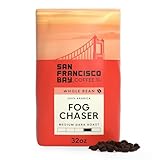
- Our iconic Fog Chaser is a blend of dark and medium roasted beans which results in a enjoyable medium dark roast coffee. It's a great combination of flavor, balance and smoothness that will chase away even the thickest morning fog.
- For finest taste, store in a cool, dark place and grind beans just berfore brewing
- QUALITY COFFEE: San Francisco Bay Coffee uses only 100% arabica coffee and certified Kosher coffee beans. Hand picked and grown in high altitude. We're so confident you'll love it, we back it with a satisfaction guarantee.
- SUSTAINABLY AND ECO- FARMED COFFEE: We offer a wide selection of sustainably grown, sourced, and packaged coffee from whole bean to ground, flavored to decaf, and much more.
- SF BAY COFFEE is a family owned, American made company with a rich tradition. Our reputation reflects on us as a family so if you're ever not happy with your purchase, call us and we'll make it right.
Coffee-to-water ratio
A good starting point is 1:8. That’s one part coffee to eight parts water by weight. So, for 8 oz of coffee, use 64 oz of water. You can go stronger or weaker. It’s all about what you like.
Cleanliness/descale status
Make sure everything is clean. Old coffee oils can make your brew taste bitter or stale. If you use an automatic brewer, check its descaling status. For manual methods, a good scrub with soap and water does the trick.
Step-by-step (brew workflow)
1. Measure your coffee beans.
- What to do: Weigh out your whole beans. A good starting ratio is 1:8 (coffee to water).
- What “good” looks like: You’ve got the right amount of beans for your desired batch size.
- Common mistake: Guessing the amount. This leads to inconsistent brews. Use a scale for accuracy.
2. Grind your coffee.
- What to do: Grind the beans to a coarse consistency. Like coarse sand or breadcrumbs.
- What “good” looks like: Uniform, coarse grounds. No fine dust.
- Common mistake: Grinding too fine. This will make your cold brew muddy and bitter.
3. Combine coffee and water.
- What to do: Put the coarse grounds in your brewing vessel (jar, pitcher, French press). Add cold or room temperature filtered water.
- What “good” looks like: All the grounds are saturated with water.
- Common mistake: Not fully saturating the grounds. Some grounds might float, leading to uneven extraction. Stir gently to ensure everything is wet.
A large glass jar with a lid is perfect for combining your coffee and water for steeping.
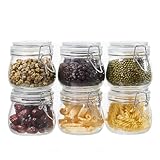
- 【Premium Glass Jars with Airtight Lids】These airtight glass jars feature a wire clip fastening system with clear preserving seals, locking in freshness and flavor. Ideal for dry goods and long-term food storage.
- 【Perfect Size: 17 oz Capacity – Set of 6】Each jar holds 17oz, just right for storing beans, flour, sugar, cereal, pasta, or snacks. Comes as a 6 pack to organize your kitchen efficiently.
- 【Durable & Safe Food Storage Containers】Made from thick, lead-free, glass food storage containers that are BPA-free, odor-resistant, and safe for everyday use.
- 【Multi-Purpose Glass Canisters for Kitchen & Pantry】Great for kitchen canning and pickling jars – also suitable for DIY jam, honey, kimchi, spices, and more. A functional and elegant solution for pantry storage jars.
- 【Stylish & Practical Storage Jars】Sleek square design saves space and looks beautiful on shelves. These glass storage jars are easy to stack and clean, combining utility with minimalist decor.
4. Stir gently.
- What to do: Give the mixture a gentle stir to make sure all the coffee grounds are submerged.
- What “good” looks like: No dry pockets of coffee. The grounds are evenly distributed in the water.
- Common mistake: Over-stirring. This can agitate the grounds and lead to bitterness.
5. Steep.
- What to do: Cover your brewing vessel and let it sit at room temperature or in the fridge.
- What “good” looks like: The coffee and water are steeping undisturbed.
- Common mistake: Moving it around too much. Let it be. Room temp steeping is faster (12-18 hours) than fridge steeping (18-24 hours).
6. Begin filtering.
- What to do: Prepare your filtering setup. This might be cheesecloth over a sieve, a paper filter in a pour-over cone, or pressing the plunger on a French press.
- What “good” looks like: Your filter is ready and positioned to catch the grounds.
- Common mistake: Using a filter that’s too fine for the initial coarse grind. This can clog easily.
7. Filter the concentrate.
- What to do: Slowly pour the steeped coffee through your chosen filter into a clean container.
- What “good” looks like: Clear liquid coffee, free of most grounds. You might need to filter twice for extra clarity.
- Common mistake: Rushing the process. Pouring too fast can force grounds through the filter. Be patient.
8. Second filter (optional but recommended).
- What to do: If you want super clean coffee, run it through a finer filter, like a paper coffee filter.
- What “good” looks like: The coffee is very clear, with minimal sediment.
- Common mistake: Not doing a second filter if you want a cleaner cup. Some sediment is fine, but too much can affect texture.
9. Dilute to taste.
- What to do: Your cold brew concentrate is strong. Mix it with water or milk. A 1:1 or 1:2 ratio of concentrate to liquid is common.
- What “good” looks like: The coffee tastes balanced and delicious.
- Common mistake: Drinking the concentrate straight. It’s usually too intense.
10. Serve and enjoy.
- What to do: Pour over ice, add your favorite additions, and sip.
- What “good” looks like: A refreshing, smooth cup of coffee.
- Common mistake: Not tasting before adding sugar or milk. You might find you like it black.
Common mistakes (and what happens if you ignore them)
| Mistake | What it causes | Fix |
|---|---|---|
| Using finely ground coffee | Bitter, muddy coffee; clogged filters | Use a coarse grind (like sea salt). |
| Using stale coffee beans | Flat, weak, or stale-tasting coffee | Use freshly roasted whole beans and grind just before brewing. |
| Incorrect coffee-to-water ratio | Too weak or too strong, unbalanced flavor | Start with 1:8 ratio and adjust to your preference. Use a scale. |
| Not fully saturating grounds | Uneven extraction, weak spots, bitter notes | Stir gently after adding water to ensure all grounds are wet. |
| Rushing the filtering process | Sediment in your cup, cloudy coffee | Pour slowly and consider a double filter for clarity. |
| Using poor quality water | Off-flavors in your coffee | Use filtered or good-tasting tap water. |
| Brewing for too short a time | Weak, watery coffee | Steep for at least 12 hours, ideally 18-24 for full extraction. |
| Brewing for too long | Bitter, over-extracted, harsh taste | Stick to the 12-24 hour window. Longer isn’t always better. |
| Not cleaning equipment | Rancid oils, stale coffee taste | Wash all brewing and storage gear thoroughly after each use. |
| Storing improperly | Coffee spoils, loses flavor | Keep in an airtight container in the fridge. |
Decision rules (simple if/then)
- If your cold brew tastes bitter, then try a coarser grind because fine grounds over-extract.
- If your cold brew is too weak, then increase the coffee-to-water ratio (use more coffee) because you’re not extracting enough flavor.
- If your cold brew is too strong, then dilute it more with water or milk because the concentrate is meant to be adjusted.
- If you have sediment in your cup, then filter it again using a finer filter because your initial filter wasn’t enough.
- If your coffee tastes stale, then check the freshness of your beans and grind them just before brewing because stale beans lose their flavor.
- If your brew time is less than 12 hours, then extend it because the coffee needs time to extract properly.
- If your brew time is over 24 hours, then shorten it because you might be over-extracting and making it bitter.
- If your water tastes bad, then use filtered water because water quality significantly impacts coffee flavor.
- If you’re using a French press and get grounds in your cup, then be extra gentle when pressing the plunger because too much force can push fine particles through.
- If you want a smoother, less acidic cup, then stick with cold brew because the process naturally reduces acidity.
- If you’re brewing at room temperature, then expect a slightly faster brew time than if you brew in the fridge.
FAQ
How long does cold brew concentrate last?
It’s best to consume your cold brew concentrate within two weeks when stored in an airtight container in the refrigerator. After that, the flavor can start to degrade.
Can I use any kind of coffee bean for cold brew?
Yes, you can use any type of coffee bean. However, medium to dark roasts often yield a richer, more chocolatey flavor profile that many people enjoy in cold brew. Light roasts can work but might be more delicate.
What’s the difference between cold brew and iced coffee?
Iced coffee is typically hot-brewed coffee that’s been cooled down and served over ice. Cold brew is brewed with cold water over a long period, resulting in a smoother, less acidic, and often more concentrated flavor.
Do I have to use a special cold brew maker?
Nope. A simple mason jar, a pitcher, and some cheesecloth or a fine-mesh sieve work perfectly well. Dedicated cold brew makers just offer convenience.
Why is my cold brew bitter?
Bitterness usually comes from over-extraction, often caused by using a grind that’s too fine, steeping for too long, or using water that’s too hot (though cold brew uses cold water). A coarse grind is key.
How do I make my cold brew less acidic?
The cold brewing process itself significantly reduces acidity compared to hot brewing. Using a good quality bean and the proper coarse grind will further contribute to a smooth, low-acid cup.
Can I reheat cold brew?
You can, but it defeats the purpose of cold brew’s smooth, cool nature. If you must, do it gently over low heat, but it’s generally best enjoyed cold or at room temperature.
What’s the best coffee-to-water ratio for cold brew?
A common starting point is 1:8 by weight (e.g., 1 oz coffee to 8 oz water). Many people prefer a stronger concentrate (like 1:4 or 1:5) and then dilute it to taste. Experiment to find your sweet spot.
What this page does NOT cover (and where to go next)
- Specific cold brew maker reviews.
- Detailed breakdowns of different coffee bean origins and their impact on cold brew.
- Advanced techniques like nitro cold brew infusion.
- Recipes for cold brew-based coffee cocktails.
- Comparisons between cold brew and other brewing methods like Aeropress or Chemex.