
Decaf Coffee and Kidney Stone Concerns
Quick answer
- For most people, decaf coffee is unlikely to make existing kidney stones worse.
- Decaf coffee has significantly reduced levels of caffeine, a diuretic that can potentially contribute to dehydration if fluid intake isn’t sufficient.
- The compounds in coffee that might influence kidney stone formation are present in both regular and decaf versions, though in potentially lower concentrations in decaf.
- Oxalates, found in coffee, can be a concern for certain types of kidney stones, but their impact from decaf coffee is generally considered moderate.
- Staying hydrated by drinking plenty of water is the most critical factor for kidney stone prevention and management, regardless of coffee consumption.
- If you have a history of kidney stones, it’s always best to discuss your diet, including coffee intake, with your doctor or a registered dietitian.
Key terms and definitions
- Kidney Stones: Hard deposits made of minerals and salts that form inside your kidneys.
- Decaf Coffee: Coffee that has had at least 97% of its caffeine removed.
- Caffeine: A natural stimulant found in coffee, tea, and other plants, known for its diuretic effect.
- Diuretic: A substance that promotes the production of urine, potentially leading to increased fluid loss.
- Oxalates: Naturally occurring compounds found in many foods, including coffee, which can bind with calcium to form calcium oxalate stones, the most common type.
- Calcium Oxalate Stones: The most prevalent type of kidney stone, formed when calcium and oxalate levels are high in the urine.
- Hydration: The process of ensuring the body has an adequate amount of water.
- Urine Concentration: The amount of dissolved substances in urine; higher concentration can increase the risk of stone formation.
- Metabolism: The chemical processes that occur within a living organism in order to maintain life.
- Acidity: The pH level of a substance; coffee is acidic, which can affect urine composition.
How it works
- Decaffeination processes remove most of the caffeine from coffee beans.
- The decaffeination method can sometimes slightly alter the chemical composition of the coffee.
- While caffeine is removed, other compounds, including antioxidants and flavor components, remain.
- These remaining compounds can still interact with bodily processes.
- Coffee, in general, contains oxalates, which are a component in the formation of calcium oxalate kidney stones.
- The process of brewing coffee extracts these compounds into the liquid.
- The acidity of coffee can also potentially influence urine pH.
- However, the primary concern for kidney stone formation usually relates to overall diet and hydration levels.
- The diuretic effect of caffeine is absent in decaf coffee, which can be a benefit for hydration.
- The overall impact of decaf coffee on kidney stone risk is considered lower than that of regular coffee, primarily due to the absence of caffeine’s diuretic effect.
What affects the result
- Hydration Levels: Insufficient fluid intake is a primary driver of concentrated urine, which promotes stone formation.
- Oxalate Content: While decaf coffee has oxalates, the amount can vary by bean type and roasting process.
- Calcium Intake: Dietary calcium binds with oxalates in the gut, preventing their absorption and subsequent stone formation.
- Citrate Levels: Citrate in urine can inhibit stone formation by binding with calcium.
- Urine Acidity: The pH of urine can influence the solubility of stone-forming minerals.
- Type of Kidney Stone: Different stone compositions (e.g., calcium oxalate, uric acid) respond differently to dietary factors.
- Individual Metabolism: How your body processes certain minerals and compounds plays a significant role.
- Brewing Method: The way coffee is brewed can slightly affect the extraction of certain compounds.
- Amount Consumed: Drinking very large quantities of any beverage, even water, can alter urine output and composition.
- Dietary Habits: Overall diet, including sodium and protein intake, is a major factor in kidney stone risk.
- Medications: Certain medications can affect mineral balance and urine composition.
- Genetics: Family history of kidney stones can increase an individual’s predisposition.
While decaf coffee has oxalates, the amount can vary by bean type and roasting process. If you’re concerned about oxalate intake, consider exploring low oxalate coffee options.
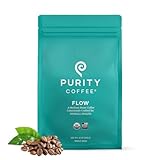
- OUR ORIGINAL HEALTHY COFFEE BLEND – Through relentless research, we've created a specialty-grade, antioxidant-rich organic medium roast specfically formulated to support your overall health and wellness. Rich in coffee's naturally protective polyphenols like chlorogenic acid, FLOW brings you all the benefits coffee has to offer with a rich, full-bodied flavor profile.
- CLEAN & PURE – Our USDA Certified organic coffee is defect-free specialty-grade, which is a standard of bean used in only 1% of the green coffee produced worldwide: regeneratively farmed, Rainforest Alliance, Smithsonian Bird Friendly, and third-party lab tested for harmful contaminants like mold, mycotoxins, pesticides, and heavy metals.
- TRULY HEALTHY COFFEE – Every batch of Purity Coffee boasts optimal levels of antioxidants, and is easy on the stomache. We are committed to maximizing wellness benefits throughout every step of the coffee production process. That's why we control our production chain from farming, sourcing, processing, roasting, and packaging.
- FRESHESS YOU CAN TASTE – When you receive your Purity Coffee, it will taste as fresh as the day it was roasted. To preserve freshness, we flush coffee bags with nitrogen and get oxygen levels down to 1-2% to prevent oxidation and staleness.
- SUSTAINABLY FARMED, RESPONSIBLY ROASTED – As a Certified B corp, our coffee is regeneratively farmed, Rainforest Alliance Certified & Smithsonian Bird Friendly. We are committed to using renewable and sustainable materials and processes wherever possible.
Pros, cons, and when it matters
- Pro: Reduced diuretic effect compared to regular coffee, potentially aiding hydration.
- Con: Still contains oxalates, which can be a concern for calcium oxalate stone formers.
- Pro: Lower caffeine content means less potential for sleep disruption or anxiety.
- Con: The specific decaffeination process might slightly alter other beneficial compounds.
- Pro: May offer some of the antioxidant benefits of regular coffee.
- Con: The impact on urine pH, while generally minor, could be a factor for some individuals.
- When it matters: For individuals prone to calcium oxalate stones, monitoring oxalate intake from all sources is important.
- When it matters: If you experience dehydration or struggle to maintain adequate fluid intake, decaf might be a better choice than regular coffee.
- When it matters: For those sensitive to caffeine, decaf provides a coffee-like experience without the stimulant side effects.
- When it matters: If you are on a strict dietary plan for kidney stone management, consulting a healthcare professional is crucial.
- Con: The taste and aroma can be slightly different from regular coffee, which some people notice.
- Pro: Offers a way to enjoy the ritual of coffee without the stimulating effects of caffeine.
Common misconceptions
- Myth: Decaf coffee is completely caffeine-free.
- Reality: Decaf coffee still contains a small amount of caffeine, typically less than 10 mg per 8 oz cup, far less than regular coffee.
- Myth: All decaf coffee is the same.
- Reality: Different decaffeination processes exist, and the residual caffeine and other compound levels can vary slightly.
- Myth: Decaf coffee will actively cause kidney stones.
- Reality: For most people, decaf coffee is not a direct cause of kidney stones. Hydration and overall diet are far more significant factors.
- Myth: Decaf coffee has no oxalates.
- Reality: Coffee, whether regular or decaf, contains oxalates. The amount can vary but is generally considered moderate.
- Myth: Switching to decaf guarantees kidney stone prevention.
- Reality: While it might reduce one potential contributing factor (caffeine’s diuretic effect), it doesn’t eliminate all risks associated with coffee or other dietary factors.
- Myth: Only people with existing kidney stones need to worry about coffee.
- Reality: While the concern is heightened for those with a history of stones, understanding the components of any food or beverage is beneficial for overall health.
- Myth: Decaf coffee is always better for kidney health than regular coffee.
- Reality: The benefit of decaf often lies in reducing caffeine’s diuretic effect, but other components are still present.
- Myth: The acidity of decaf coffee is a major cause of kidney stones.
- Reality: While coffee is acidic, its impact on urine pH and stone formation is usually minor compared to hydration and oxalate levels.
FAQ
Q: Is decaf coffee safe for people with kidney stones?
A: For most individuals, decaf coffee is generally considered safe and may even be a better option than regular coffee due to its lower caffeine content. However, if you have a history of kidney stones, it’s wise to discuss your intake with your doctor.
Q: Does decaf coffee contain oxalates?
A: Yes, decaf coffee, like regular coffee, contains oxalates. The amount can vary, but it’s a factor to consider if you are prone to calcium oxalate stones.
Q: How much caffeine is in decaf coffee?
A: Decaf coffee is required to have at least 97% of its caffeine removed. Typically, an 8 oz cup contains less than 10 mg of caffeine, compared to 80-100 mg in regular coffee.
Q: Can drinking decaf coffee help prevent kidney stones?
A: Decaf coffee itself is not a preventative measure. The most effective way to prevent kidney stones is by staying well-hydrated, particularly with water.
Q: Are there specific decaffeination processes that are better for kidney stone concerns?
A: While different processes exist (e.g., Swiss Water Process, solvent-based), the primary concern for kidney stones remains the presence of oxalates and the need for hydration, rather than the specific decaffeination method.
Q: Should I avoid decaf coffee if I have uric acid stones?
A: The link between coffee and uric acid stones is less clear than with calcium oxalate stones. Caffeine can be metabolized into uric acid, but the impact of decaf is likely minimal. Consult your doctor for personalized advice.
Q: What is the most important dietary factor for kidney stone prevention?
A: The most crucial factor is adequate fluid intake, primarily water, to keep urine diluted and flush out stone-forming substances.
What this page does NOT cover (and where to go next)
- Specific recommendations for different types of kidney stones (e.g., uric acid vs. calcium oxalate).
- Detailed nutritional breakdowns of decaf coffee, including exact oxalate content by brand or roast.
- Medical advice or diagnosis related to kidney stone formation.
- Product reviews or comparisons of specific decaf coffee brands.
- In-depth analysis of the impact of other beverages on kidney stone risk.