
Creative Iced Coffee Drink Recipes
Quick answer
- Use cold brew for a smoother, less acidic base.
- Chill your brewed coffee completely before adding ice.
- Sweeten your coffee before it gets cold.
- Experiment with dairy and non-dairy milks for different textures.
- Don’t be afraid to add flavors like syrups or spices.
- Freshly brewed hot coffee poured over ice can work, but it dilutes faster.
Who this is for
- Anyone looking to beat the heat with a refreshing coffee fix.
- Home baristas tired of the same old iced coffee routine.
- Those who want to save money by making their favorite coffee shop drinks at home.
What to check first
Brewer type and filter type
The coffee you start with matters. A drip machine, French press, or pour-over all make good coffee. Cold brew is king for iced coffee, though. It’s less bitter. Paper filters catch more oils than metal ones. This can make for a cleaner taste, which is nice when it’s chilled.
Water quality and temperature
Tap water can have off-flavors. Filtered water is usually best. For hot brewing, aim for 195-205°F. For cold brew, the water is room temperature. Just make sure it’s clean.
Grind size and coffee freshness
Fresh beans make a huge difference. Grind them right before you brew. A medium grind works for most drip machines. Coarser for French press, finer for espresso. For cold brew, go coarse. Stale coffee tastes flat, especially when cold.
Coffee-to-water ratio
This is your personal preference, but a good starting point is 1:15 to 1:18. That’s about 1 gram of coffee to 15-18 grams of water. For cold brew, you might go stronger, like 1:8 or 1:10, since you’ll dilute it later.
Cleanliness/descale status
Your brewer needs to be clean. Old coffee oils go rancid and will ruin your drink. Descale your machine regularly, too. Check your brewer’s manual for how often and how to do it. A clean brewer means clean-tasting coffee.
Step-by-step (brew workflow)
Here’s a solid workflow for making a great iced coffee base, focusing on cold brew:
1. Gather your gear. You’ll need a large jar or container, a filter (cloth, paper, or fine mesh), and your coffee beans.
- What “good” looks like: Everything is clean and ready to go. No lingering coffee smells from yesterday.
- Common mistake: Using a dirty container. This will make your cold brew taste funky. Always wash thoroughly.
2. Grind your coffee. Go for a coarse grind, like coarse sea salt.
- What “good” looks like: Uniformly sized, coarse grounds.
- Common mistake: Grinding too fine. This can lead to over-extraction and a muddy, bitter cold brew.
3. Measure your coffee and water. A good starting ratio for cold brew concentrate is 1:8 (coffee to water by weight). For example, 100 grams of coffee to 800 grams of water.
- What “good” looks like: Accurate measurements ensure consistent results.
- Common mistake: Guessing the amounts. This leads to weak or overly strong brews. Use a scale if you can.
4. Combine coffee and water. Add the ground coffee to your container, then pour the water over it.
- What “good” looks like: All the coffee grounds are saturated.
- Common mistake: Not fully saturating the grounds. Some grounds might float and not extract properly. Give it a gentle stir.
5. Steep at room temperature. Cover the container and let it sit for 12-24 hours. Longer steeping means stronger flavor.
- What “good” looks like: A rich, dark liquid forming.
- Common mistake: Steeping for too short a time. You won’t get the full flavor. 18 hours is a good sweet spot for many.
6. Filter the coffee. Slowly pour the steeped coffee through your filter into another clean container.
- What “good” looks like: Clear, dark liquid with no grounds.
- Common mistake: Rushing the filtering process. This can push fine particles through, making your coffee cloudy and gritty. Let gravity do its work.
7. Chill the concentrate. Refrigerate the filtered cold brew concentrate until it’s completely cold.
- What “good” looks like: The concentrate is ice-cold.
- Common mistake: Pouring it over ice while still warm. It will melt the ice too fast and dilute your drink. Patience pays off.
8. Dilute and serve. When you’re ready for a drink, pour your cold brew concentrate over ice. Dilute it with water or milk to your desired strength. A 1:1 ratio of concentrate to water or milk is a good starting point.
- What “good” looks like: A perfectly chilled, refreshing drink.
- Common mistake: Not diluting enough. The concentrate can be too intense on its own.
Serve your perfectly crafted iced coffee in stylish iced coffee glasses for the ultimate experience. They’re designed to keep your drink colder for longer and look great while doing it.
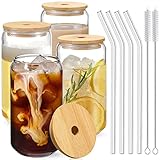
- PRODUCT CONFIGURATION: Drinking glass set includes 4 glass cups [ Diameter - 3 inches, Height - 5.6 inches ],4 nature bamboo lids, 4 reusable glass straws and 2 cleaning brushes, Classic design tumbler
- DURABLE and SAFE: The glasses are made of high-quality durable clear glass, Lead-free and BPA-free. It can be used safely for a long time. This thick clear glass can withstand the sudden changes in the temperature difference between -68°F to 212°F, making them dishwasher safe. If you want to decorate this glass, you can do DIY easily without breakage
- MULTI-PURPOSE: The glassware Great for any Occasion, any hot and cold drinks, home essentials. It is widely loved by families, kitchen, breweries, cafes, bars and restaurants. You can use it to make perfect tea, bubble Pearl Milk Tea, soda, water, iced coffee, smoothie, fruit juice or any other interesting holiday drinks
- AMAZING GIFT: This jar is very fashionable, aesthetic and characteristic. Excellent workmanship. Perfect Gifts for Women, House warming gifts, Tea mug Sets, Highball Glasses, Home Bar Accessories, Birthdays, Graduation, Weddings and Christmas Gifts
- SATISFIED SERVICE: This glass set is packaged in the heavy bubble holder and thick carton box to prevent damage while in transport. If the glass set you received was damaged or imperfect or you are not satisfied, we will offer a satisfactory solution
Common mistakes (and what happens if you ignore them)
| Mistake | What it causes | Fix |
|---|---|---|
| Using stale coffee beans | Flat, dull, or bitter flavor | Use freshly roasted beans, ground just before brewing. |
| Incorrect grind size for brewing method | Under-extraction (sour) or over-extraction (bitter) | Match grind size to your brewer (coarse for cold brew/French press, medium for drip, fine for espresso). |
| Water that tastes off | Unpleasant flavors in your coffee | Use filtered water. |
| Brewing with water that’s too hot | Scalding the grounds, leading to bitterness | Aim for 195-205°F for hot brewing; room temp for cold brew. |
| Not cleaning your brewer regularly | Rancid coffee oils, bad taste, and potential mold | Clean your brewer after every use and descale regularly. |
| Using too much or too little coffee | Weak, watery coffee or overly strong, undrinkable brew | Use a consistent coffee-to-water ratio, ideally measured by weight. |
| Pouring hot coffee directly over ice | Rapid dilution, weak flavor, and watery results | Chill your brewed coffee completely before adding ice, or use the cold brew method. |
| Sweetening <em>after</em> it’s cold | Sugar doesn’t dissolve well in cold liquid | Add sweeteners (syrups, sugar) to hot coffee or concentrate <em>before</em> chilling or adding ice. |
| Not chilling coffee before icing | Ice melts too fast, diluting the drink | Ensure your coffee base is fully chilled before serving over ice. |
Decision rules (simple if/then)
- If your coffee tastes bitter, then try a coarser grind or a shorter brew time because over-extraction causes bitterness.
- If your coffee tastes sour, then try a finer grind or a longer brew time because under-extraction causes sourness.
- If you want a smoother, less acidic iced coffee, then use the cold brew method because it extracts fewer bitter compounds.
- If you’re in a hurry and want iced coffee, then brew hot coffee strong and chill it quickly in the fridge or freezer, but be prepared for some dilution.
- If you prefer a richer, creamier texture, then use a milk alternative like oat milk or a splash of heavy cream because they add body.
- If you want to avoid a watery drink, then use larger ice cubes or coffee ice cubes because they melt slower.
- If you find your cold brew concentrate too strong, then dilute it with more water or milk because that’s its purpose.
- If you want to add sweetness, then add simple syrup or flavored syrups to your coffee before it gets cold because they dissolve better.
- If your iced coffee tastes weak, then use a higher coffee-to-water ratio for your base brew or use less dilution because you need more coffee flavor.
- If you’re making a flavored iced coffee, then add spices or extracts when the coffee is still warm or as a syrup because flavors meld better with heat.
FAQ
What’s the best coffee for iced coffee?
Cold brew coffee is often considered ideal because it’s naturally smoother and less acidic. However, any good quality coffee brewed well can be chilled and enjoyed over ice.
Can I just pour hot coffee over ice?
Yes, you can, but it’s not ideal. The hot coffee will melt the ice rapidly, diluting your drink significantly. If you do this, brew it stronger than usual to compensate.
How do I make my iced coffee less bitter?
Use a coarser grind, lower your brewing temperature slightly (if possible), and ensure you’re not over-extracting. Cold brew is also a great way to avoid bitterness.
What’s the secret to a creamy iced coffee?
Using a milk that froths well, like oat milk or whole milk, can add creaminess. You can also add a splash of heavy cream or half-and-half.
How long does cold brew last?
Stored properly in an airtight container in the refrigerator, cold brew concentrate can last for about 7-10 days. It’s best enjoyed within the first week.
Should I sweeten my iced coffee before or after chilling?
It’s best to sweeten your coffee before it gets cold, especially if using granular sugar. Syrups and simple syrups dissolve more easily in warm or room-temperature liquids.
What are coffee ice cubes?
They’re simply ice cubes made from brewed coffee. Pour leftover coffee into ice cube trays and freeze. They’re a fantastic way to keep your iced coffee from getting diluted.
Can I use pre-ground coffee for iced coffee?
You can, but freshly ground beans will always yield better flavor. If you must use pre-ground, opt for a coarser grind if possible for cold brew.
What this page does NOT cover (and where to go next)
- Specific flavor combinations and advanced latte art for iced beverages. (Explore recipe blogs and specialty coffee sites.)
- The science behind coffee extraction and its impact on flavor profiles. (Look for resources on coffee brewing science.)
- Detailed guides on specific espresso machine maintenance or commercial brewing equipment. (Consult manufacturer manuals or professional barista resources.)
- Deep dives into the origins and varietals of coffee beans. (Research coffee bean origins and tasting notes.)