
Low-Calorie Iced Coffee: Healthy And Delicious Options
Quick Answer
- Use unsweetened milk alternatives like almond or oat milk.
- Opt for sugar-free syrups or natural sweeteners sparingly.
- Brew coffee stronger and dilute with ice for a less watery taste.
- Add flavor with spices like cinnamon or a splash of vanilla extract.
- Avoid pre-sweetened coffee drinks and creamy additions.
- Freeze coffee in ice cubes to prevent dilution.
Who This Is For
- Anyone looking to cut sugar and calories from their daily coffee habit.
- Health-conscious individuals who still crave a refreshing iced coffee.
- Home brewers wanting to replicate cafe-style iced coffee without the guilt.
Home brewers wanting to replicate cafe-style iced coffee without the guilt might find investing in a dedicated iced coffee maker a worthwhile endeavor.

- BREW BY THE CUP OR CARAFE: Brews both K-Cup pods and coffee grounds.
- MULTISTREAM TECHNOLOGY: Saturates the grounds evenly to extract full flavor and aroma in every cup, hot or cold.
- BREW OVER ICE: Adjusts temperature for maximum flavor and less ice melt for single-cup iced coffees and teas.
- STRONG BREW & EXTRA HOT FUNCTIONALITY: Brews a stronger, more intense-flavored cup and the extra hot feature brews a hotter single cup.
- MULTIPLE BREW SIZES: Brew 6, 8, 10, or 12oz single cups or 6, 8, 10, or 12-cup carafes. 12-cup glass carafe specially designed to limit dripping.
What to Check First
Brewer Type and Filter Type
What machine are you using? Drip, pour-over, French press? Each has its quirks. And what filter? Paper filters catch more oils, leading to a cleaner cup. Metal filters let more through. For iced coffee, a cleaner base often works better.
Water Quality and Temperature
Good coffee starts with good water. If your tap water tastes funky, your coffee will too. Consider filtered water. For iced coffee, you’ll likely brew hot coffee to chill, so brewing temperature matters. Aim for around 195-205°F for optimal extraction. Too hot and you can scorch the grounds; too cool and you get weak coffee.
Grind Size and Coffee Freshness
The grind size needs to match your brewer. Coarse for French press, medium for drip, finer for espresso. Freshly ground beans make a huge difference. Coffee starts losing flavor compounds the moment it’s ground. Buy whole beans and grind just before brewing.
Coffee-to-Water Ratio
This is key to getting that strong coffee flavor you need for iced drinks. A common starting point for hot coffee is 1:15 to 1:18 (coffee to water by weight). For iced coffee, you might want to go a bit stronger, maybe 1:14, to account for ice melt. Don’t be afraid to experiment.
Cleanliness/Descale Status
A dirty brewer is a flavor killer. Coffee oils build up, turning rancid. Descale your machine regularly. For drip machines, this means running a vinegar or descaling solution through it. For other brewers, a good scrub with soap and water is usually enough. A clean machine means clean coffee.
Step-by-Step: How to Make Iced Coffee Low Calorie
1. Brew Strong Coffee:
- What to do: Brew your favorite coffee using your preferred method, but use a slightly higher coffee-to-water ratio than usual. Think 1:14 or 1:15.
- What “good” looks like: A concentrated, flavorful coffee that isn’t watery. It should have a rich aroma.
- Common mistake: Brewing with your standard hot coffee ratio. This leads to weak, watery iced coffee once the ice melts. Avoid this by increasing your coffee grounds or decreasing your water.
2. Chill the Coffee:
- What to do: Let the hot coffee cool down on the counter for 10-15 minutes. Then, transfer it to the refrigerator to chill completely. For faster cooling, you can pour the hot coffee into a metal pitcher and place that pitcher in an ice bath.
- What “good” looks like: Cold, but not diluted coffee. It should be cold enough to pour over ice without melting it too quickly.
- Common mistake: Pouring piping hot coffee directly over ice. This melts the ice instantly and dilutes your drink, ruining the flavor. Patience is key here.
3. Prepare Your Glass:
- What to do: Grab a tall glass. Fill it about two-thirds of the way with ice. If you want to get fancy, use coffee ice cubes (see below).
- What “good” looks like: A glass packed with ice, ready to receive your chilled coffee.
- Common mistake: Using too few ice cubes. This means your drink won’t stay cold for long and will get watered down faster. Pack it in!
4. Add Sweetener (Optional & Minimal):
- What to do: If you must have sweetness, add a tiny amount of your preferred low-calorie sweetener. This could be a few drops of stevia, a small amount of erythritol, or a sugar-free syrup. Start with less, you can always add more.
- What “good” looks like: Just a hint of sweetness, not overpowering the coffee.
- Common mistake: Adding too much sweetener. This can create an artificial or overly sweet taste that masks the coffee. Go easy.
If you must have sweetness, add a tiny amount of your preferred low-calorie sweetener. A sugar-free syrup can provide flavor without the guilt.
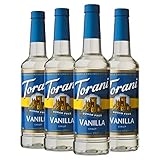
- Sugar Free Vanilla Syrup: This sugar free flavored syrup delivers rich, pure vanilla taste with zero sugar and zero calories; Add a splash to coffee, lattes, tea, sodas and more
- Skip The Extra Calories: Enjoy drinks, desserts, and other treats made with our Sugar Free syrups, sweetened with sucralose and naturally fat free; 0 Calories, 0 Sugar, 0 Carbs, Keto Friendly, Gluten Free, and Kosher
- Embrace Your Inner Flavorista: Torani makes a wide array of syrups and sauces in tantalizing flavors to help you create your own homemade coffeehouse favorites, fruity delights and custom soda creations
- Authentic Coffeehouse Flavor: From caramel to French vanilla to hazelnut and everything in between, our syrups and sauces are here to help you create tantalizing lattes, cappuccinos, cold brews and frappes
- Mix Up Some Magic: Discover how our syrups can help you make truly creative flavored teas, lemonades, smoothies, Italian sodas, coffees, cocktails, mocktails, snow cones, sparkling waters and more
5. Add Flavor Enhancers (Optional):
- What to do: Consider a splash of sugar-free vanilla extract, a dash of cinnamon, or a tiny bit of unsweetened cocoa powder. These add flavor without calories.
- What “good” looks like: A subtle aroma and depth of flavor.
- Common mistake: Overdoing it with extracts. A little goes a long way, and too much can taste medicinal.
6. Pour in the Coffee:
- What to do: Slowly pour the chilled, strong coffee over the ice in your glass.
- What “good” looks like: The coffee should fill the glass, leaving some room at the top. It should look inviting and dark.
- Common mistake: Pouring too fast. This can cause splashing and might not distribute the coffee evenly over the ice.
7. Add Milk or Creamer (Low-Calorie):
- What to do: Top off your glass with your chosen low-calorie milk alternative. Unsweetened almond milk, oat milk, or skim milk are good choices. Add just enough to reach your desired creaminess.
- What “good” looks like: A nice swirl of color, creating a marbled effect. The coffee is now at your preferred level of creaminess.
- Common mistake: Using full-fat dairy or sweetened plant milks. These add significant calories and sugar. Stick to unsweetened and lighter options.
8. Stir and Enjoy:
- What to do: Stir gently to combine all the ingredients. Take a sip. Adjust sweetness or milk if needed.
- What “good” looks like: A perfectly balanced, refreshing, and low-calorie iced coffee.
- Common mistake: Not stirring enough. This leaves pockets of unmixed coffee, milk, or sweetener. Stirring ensures every sip is consistent.
Pro-Tip: Coffee Ice Cubes
To avoid dilution altogether, brew extra coffee and freeze it in ice cube trays. Use these instead of regular ice cubes. This keeps your coffee tasting like coffee, even as it chills.
Common Mistakes (and What Happens If You Ignore Them)
| Mistake | What it Causes | Fix |
|---|---|---|
| Using hot coffee directly on ice | Diluted, watery, flavorless drink | Chill coffee completely before pouring over ice. |
| Using standard coffee ratio | Weak, watery iced coffee | Brew coffee stronger (more grounds or less water). |
| Using full-fat dairy/sweetened milk | High calorie and sugar count | Opt for unsweetened almond, oat, or skim milk. |
| Over-sweetening with sugar/syrup | High calorie and sugar count, artificial taste | Use sugar-free sweeteners sparingly, or rely on flavor extracts and spices. |
| Not grinding beans fresh | Stale, flat coffee flavor | Grind whole beans just before brewing. |
| Using poor quality water | Off-flavors in the coffee | Use filtered water. |
| Not cleaning the coffee maker regularly | Bitter, rancid coffee taste | Descale and clean your brewer frequently. |
| Using too little ice | Drink warms up too fast, gets diluted | Fill your glass generously with ice. Consider coffee ice cubes. |
| Adding too much flavoring extract | Medicinal or artificial taste | Use extracts like vanilla sparingly; a few drops are usually sufficient. |
| Not stirring well | Uneven flavor, unmixed sweetener/milk | Stir gently but thoroughly to combine all ingredients. |
Decision Rules
- If your iced coffee tastes watery, then you likely used hot coffee directly on ice or brewed with a weak ratio. Chill your coffee first and consider brewing stronger.
- If your iced coffee tastes bitter, then your coffee grounds might have been scorched during brewing, or your equipment needs cleaning. Check brewing temperature and clean your brewer.
- If you want more flavor without calories, then try adding spices like cinnamon or a tiny bit of unsweetened cocoa powder.
- If you’re sensitive to artificial sweeteners, then rely on natural flavorings or just drink your coffee black and cold.
- If your coffee isn’t cold enough, then your ice has melted too quickly. Use more ice or coffee ice cubes.
- If you’re trying to cut calories strictly, then skip the milk altogether and enjoy a black iced coffee.
- If your coffee tastes “off,” then it’s probably your water. Switch to filtered water for a cleaner taste.
- If you find yourself adding lots of sugar, then consider a sugar-free syrup or a natural sweetener like stevia, but use it sparingly.
- If you want a richer mouthfeel without the calories, then unsweetened oat milk or a splash of skim milk works well.
- If you’re short on time, then brew extra coffee the night before and chill it in the fridge.
FAQ
Q: Can I just chill hot coffee in the fridge for a few hours?
A: Yes, but it might not get as cold as quickly as other methods. Ensure it’s completely chilled before pouring over ice.
Q: What’s the best milk alternative for low-calorie iced coffee?
A: Unsweetened almond milk or unsweetened oat milk are popular choices. They have fewer calories and sugar than many other options.
Q: How can I sweeten my iced coffee without adding calories?
A: Use sugar-free sweeteners like stevia, monk fruit, or erythritol. Start with a very small amount, as they can be potent.
Q: Does using coffee ice cubes actually make a difference?
A: Absolutely. It prevents your drink from getting diluted as the ice melts, preserving the coffee flavor.
Q: Is it okay to use leftover brewed coffee?
A: Yes, but the flavor might not be as vibrant as freshly brewed coffee. Ensure it’s stored properly in the fridge.
Q: Can I make cold brew for low-calorie iced coffee?
A: Cold brew is naturally less acidic and often smoother. It’s a great base, and you can then add your low-calorie milk and sweeteners.
Q: What happens if I don’t brew my coffee strong enough?
A: Your iced coffee will taste weak and watery once the ice melts, which is usually not the desired outcome.
Q: Are sugar-free syrups truly calorie-free?
A: Most are very low in calories and sugar, but always check the label. Some may contain artificial ingredients you want to avoid.
Q: Can I add fruit to my iced coffee?
A: While not traditional, a tiny bit of citrus zest or a few berries could add natural flavor without many calories, but experiment with caution.
What This Page Does Not Cover (and Where to Go Next)
- Detailed comparisons of different coffee bean origins and roast profiles.
- Advanced brewing techniques like siphon or Aeropress for iced coffee.
- Recipes for complex, high-calorie iced coffee drinks.
- Specific brand recommendations for brewers or sweeteners.
- The science behind caffeine extraction and its effects.
- How to troubleshoot specific brewing equipment malfunctions.