
Creating Specialty Drinks With Your Ninja Coffee Maker
Quick answer
- Understand your Ninja Specialty Coffee Maker’s modes. They’re designed for more than just a plain cup.
- Experiment with the brew strengths and sizes. This is your first lever for flavor.
- Don’t skip the frother. It’s key to lattes, cappuccinos, and other creamy drinks.
- Use fresh, quality coffee beans. The better the bean, the better the specialty drink.
- Dial in your coffee-to-water ratio. This affects extraction and strength.
- Keep your machine clean. A clean brewer makes clean-tasting coffee.
- Get creative with additions. Syrups, spices, and milks open up a world of options.
Who this is for
- You just got a Ninja Specialty Coffee Maker and want to go beyond basic drip.
- You’re looking to recreate your favorite coffee shop drinks at home without a huge investment.
- You enjoy experimenting with flavors and textures in your coffee.
What to check first
Brewer type and filter type
Your Ninja Specialty Coffee Maker is a versatile beast. It likely has multiple brew styles, like Classic, Rich, Over Ice, and Specialty Brew. Know which one you’re using for what. Filters are usually reusable or paper. The reusable one is fine for most things, but paper can sometimes give a cleaner cup. Check your manual if you’re unsure which filter is best for which brew.
Water quality and temperature
Bad water makes bad coffee, period. If your tap water tastes funky, use filtered water. For specialty drinks, especially if you’re frothing milk, good water is even more critical. The machine handles the heating, but starting with good water means a better final product. Most machines aim for temps between 195-205°F, which is prime for extraction.
Grind size and coffee freshness
This is a big one. For most Ninja brews, a medium grind is your friend. Too fine and you get bitter, over-extracted coffee. Too coarse and it’s weak and sour. Freshly ground beans are always best. Buy whole beans and grind them right before you brew. Coffee starts losing flavor minutes after grinding.
For the freshest flavor, invest in a good coffee bean grinder. Grinding your beans right before brewing makes a significant difference in the final taste of your specialty drinks.
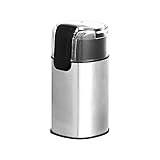
- Electric coffee bean grinder appliance for home use
- Can grind 30 grams/1 ounce of beans for drip coffee brewing in 10 seconds
- Grind coffee beans, herbs, spices, grains, nuts, and more
- Clear safety lid allows you to easily see the results in progress
- Heavy-duty stainless steel grind blade
Coffee-to-water ratio
This is how you control strength. A good starting point for a standard cup is about 1-2 tablespoons of coffee grounds per 6 oz of water. For specialty drinks, you might want a more concentrated brew. The “Specialty Brew” setting on your Ninja is designed for this, often using less water for a stronger shot. Play around with this. It’s your main tool for adjusting flavor intensity.
Cleanliness/descale status
A dirty machine is a flavor killer. Coffee oils build up, and mineral scale from hard water can clog things and affect temperature. Most Ninja machines have a clean indicator. Don’t ignore it. A good descaling every few months (or as needed based on your water hardness) is crucial. Regularly rinsing the brew basket and frother parts also goes a long way.
Step-by-step (brew workflow)
1. Select your brew method: Choose “Specialty Brew” for concentrated coffee shots or “Rich” for a stronger, more robust cup.
- What “good” looks like: The machine is ready to accept grounds and water for your chosen brew.
- Common mistake: Using the “Classic” brew for a concentrated shot. This will result in weak coffee. Avoid this by consciously selecting the right button.
2. Add coffee grounds: Measure your coffee into the brew basket. For Specialty Brew, aim for a higher ratio, maybe 2-3 tablespoons per 6 oz water. For Rich, stick to the 1-2 tablespoon range.
- What “good” looks like: The grounds are evenly distributed in the filter.
- Common mistake: Tamping down the grounds. This can create channeling and uneven extraction. Just gently level them.
3. Add water to the reservoir: Fill the water reservoir with fresh, filtered water. Use the markings for your desired cup size or brew volume.
- What “good” looks like: The water level is between the min and max lines.
- Common mistake: Overfilling the reservoir. This can lead to spills or the machine not operating correctly. Always check the fill line.
4. Prepare the frother (if using): If you plan to froth milk for a latte or cappuccino, attach the frother carafe and fill it with your milk of choice.
- What “good” looks like: The carafe is securely attached and filled to the appropriate line.
- Common mistake: Not attaching the frother carafe properly. This will prevent frothing and could make a mess. Ensure it clicks into place.
5. Place your mug or carafe: Position your mug, travel cup, or the Ninja’s carafe under the brew spout.
- What “good” looks like: The container is centered and stable.
- Common mistake: Using a mug that’s too short for the Specialty Brew spout. The coffee might spray. Use a taller mug or the provided carafe.
6. Start the brew cycle: Press the start button. The machine will begin heating and brewing.
- What “good” looks like: The machine makes brewing sounds and coffee starts to flow.
- Common mistake: Forgetting to press start. Seems obvious, but in a morning rush, it happens. Double-check the light is on and brewing is active.
7. Froth the milk (if applicable): Once the coffee is brewed, select the “Froth” setting on the frother carafe.
- What “good” looks like: You hear a gentle frothing sound, and the milk increases in volume and develops a creamy foam.
- Common mistake: Frothing too much milk. It will overflow. Stick to the fill lines on the carafe.
8. Assemble your specialty drink: Pour the frothed milk over your brewed coffee. Add sweeteners, syrups, or spices as desired.
- What “good” looks like: A beautiful, layered drink with creamy foam on top.
- Common mistake: Adding milk before coffee. This dilutes the coffee flavor and prevents nice layering. Brew the coffee first.
9. Clean up: Immediately rinse the brew basket and the frother carafe. Wipe down the exterior.
- What “good” looks like: All removable parts are clean and ready for the next use.
- Common mistake: Letting coffee grounds and milk residue dry. This makes them much harder to clean later and can lead to off-flavors. Clean as soon as you’re done.
Common mistakes (and what happens if you ignore them)
| Mistake | What it causes | Fix |
|---|---|---|
| Using stale coffee beans | Weak, dull, or bitter coffee; lack of aroma and flavor complexity. | Use freshly roasted whole beans and grind them right before brewing. |
| Incorrect grind size (too fine) | Bitter, harsh, and over-extracted coffee with a muddy texture. | Use a medium grind for most Ninja brews. Check your manual for specific recommendations. |
| Incorrect grind size (too coarse) | Weak, sour, and under-extracted coffee with a watery consistency. | Use a medium grind. If it’s too coarse, the water passes through too quickly. |
| Using tap water with off-flavors | Your coffee will taste like your tap water – metallic, chlorinated, or earthy. | Always use filtered or bottled water for the best flavor. |
| Not cleaning the machine regularly | Off-flavors, reduced brewing temperature, and potential clogs. | Follow the cleaning and descaling instructions in your Ninja manual. |
| Over-frothing milk (too much volume) | Milk overflows the carafe, creating a mess and wasted product. | Pay attention to the fill lines on the frother carafe. |
| Using the wrong brew setting for the goal | Weak coffee when you want strong, or bitter coffee when you want smooth. | Select “Specialty Brew” for concentrated shots and “Rich” for a stronger regular cup. |
| Using too much or too little coffee grounds | Coffee is too weak/watery or too bitter/strong. | Start with the recommended ratio (1-2 tbsp per 6 oz water) and adjust to your taste. |
| Not preheating your mug | Specialty drinks cool down too quickly, impacting the taste experience. | Rinse your mug with hot water before brewing. |
| Forgetting to rinse the frother immediately | Milk residue hardens, making it difficult to clean and potentially harboring bacteria. | Always rinse the frother carafe right after use. |
Decision rules (simple if/then)
- If your coffee tastes bitter, then try a coarser grind because too fine a grind over-extracts.
- If your coffee tastes weak and sour, then try a finer grind because too coarse a grind under-extracts.
- If you want to make a latte or cappuccino, then use the “Specialty Brew” setting because it creates a concentrated coffee base.
- If you are using filtered water and still get off-flavors, then check the freshness of your coffee beans because stale beans are the usual culprit.
- If your machine is brewing slowly or making strange noises, then it likely needs descaling because mineral buildup is common.
- If your frothed milk isn’t thick enough, then try using colder milk because colder milk froths better.
- If you want a stronger cup of coffee but not a concentrated shot, then use the “Rich” brew setting because it’s designed for a bolder flavor profile.
- If you notice coffee oils building up on the brew basket, then wash it thoroughly with soap and water because these oils can turn rancid.
- If your specialty drink is cooling down too fast, then preheat your mug with hot water because a warm mug keeps your drink hotter longer.
- If you’re experimenting with new syrups, then start with a small amount and add more to taste because it’s easier to add than to take away.
- If your coffee tastes muddy, then ensure you’re using the correct filter type and that it’s seated properly because a loose filter can let fines through.
FAQ
Q: Can I use pre-ground coffee in my Ninja Specialty Coffee Maker?
A: Yes, you can, but for the best flavor, always use freshly ground beans. Pre-ground coffee loses its aroma and flavor much faster. If you do use pre-ground, make sure it’s a medium grind suitable for drip coffee makers.
Q: What kind of milk is best for frothing?
A: Whole milk generally produces the richest and creamiest foam. However, 2% milk and even some non-dairy milks like oat milk can also froth well. Experiment to see what you like best.
Q: How do I make an iced coffee specialty drink?
A: Your Ninja likely has an “Over Ice” setting. Use that, and brew directly over ice in your mug or carafe. For specialty drinks, you might brew a concentrated shot using “Specialty Brew” and pour it over ice, then add cold milk and any sweeteners.
Q: My specialty brew is too strong. What should I do?
A: You can adjust your coffee-to-water ratio. Use slightly less coffee grounds for your next brew, or add a little more water to your concentrated shot after brewing.
Q: How often should I descale my Ninja?
A: It depends on your water hardness. Most manufacturers recommend descaling every 1-3 months. Your machine may have a clean indicator light that will tell you when it’s time.
Q: Can I use flavored syrups in the coffee grounds?
A: It’s generally not recommended to put syrups directly into the coffee grounds. Syrups can gum up the brew basket and affect extraction. It’s best to add syrups to your brewed coffee or frothed milk.
Q: What’s the difference between “Rich” and “Specialty Brew”?
A: “Rich” is a stronger, more robust version of the classic brew, using a slower saturation time. “Specialty Brew” is designed to make a highly concentrated coffee shot, similar to an espresso, perfect for lattes and cappuccinos.
Q: Is it okay to leave milk in the frother carafe?
A: No, it’s best to empty and rinse the frother carafe immediately after use. Leaving milk in it can lead to spoilage and bacteria growth.
What this page does NOT cover (and where to go next)
- Specific recipes for every single coffee shop drink (explore online recipe sites).
- Detailed comparisons of different coffee bean origins and roast profiles (visit a local roaster or specialty coffee shop).
- Advanced latte art techniques (there are dedicated tutorials for this).
- Troubleshooting complex electrical issues (refer to your Ninja’s warranty and customer support).
- Using your Ninja for anything other than coffee and hot chocolate (stick to the manual for intended use).