
Creating a Cappuccino from Drip Coffee
Quick answer
- You can approximate a cappuccino using drip coffee, but it won’t be a true espresso-based drink.
- The key is to create foam from milk and combine it with your brewed drip coffee.
- For a richer flavor, consider using a darker roast coffee for your drip brew.
- You’ll need a way to heat and froth milk, such as a steam wand, frother, or even a whisk.
- The texture and crema of a traditional cappuccino will be absent.
- Adjusting the coffee strength and milk-to-foam ratio can help achieve a more satisfying result.
Who this is for
- Home brewers who enjoy milk-based coffee drinks but don’t have an espresso machine.
- Individuals looking for a budget-friendly way to experiment with cappuccino-like beverages.
- Coffee enthusiasts curious about adapting classic recipes with available equipment.
What to check first
Brewer type and filter type
Your drip coffee maker is the starting point. Most drip brewers use paper filters, but some have reusable mesh filters. The type of filter can slightly affect the coffee’s body and clarity. A paper filter will generally produce a cleaner cup, while a mesh filter might allow more oils through, leading to a fuller mouthfeel. Regardless of the filter, ensure it’s the correct size and type for your machine to prevent overflow or bypass, which can lead to weak coffee.
Your drip coffee maker is the starting point for this recipe. If you’re in the market for a new one, consider a model known for consistent temperature and brew quality.
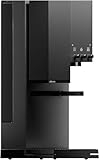
- 1. Three Levels of Automation for Any Skill Level: Choose from Autopilot, Copilot, or Free Solo mode. Autopilot handles the entire brewing process automatically. Copilot provides step-by-step guidance. Free Solo gives you full manual control. This coffee machine works for beginners and professional baristas alike.
- 2. Intuitive User Interface with Tactile Knobs and LED Matrix: The Studio features physical control knobs and a clear LED Matrix display. You can adjust grind size, water temperature, and flow rate in real time without navigating complicated touchscreen menus.
- 3. Full Customization via the xBloom App: Use the xBloom app to create, adjust, save, and share your favorite coffee recipes. Every brewing parameter can be fine-tuned and synced to the machine instantly. Your perfect cup is saved and repeatable.
- 4. Compostable xPod System for Minimal Waste and Maximum Flavor: Each xPod contains carefully selected whole beans and a built-in filter. Tap the recipe card, pour the beans into the grinder, place the pod into the dock, and press start. No capsules, no extra paper filters, no unnecessary waste.
- 5. What Is Included in the Box: The package includes the xBloom Studio, Omni Dripper 2 with Hyperflow Bottom, 10 paper filters, xPod Dock, Magnetic Dosing Cup, default recipe card, quick start guide, cleaning brush, and universal power cord. Everything you need is included.
Water quality and temperature
The water you use is crucial for any coffee brewing method. Tap water can contain minerals and chlorine that affect taste. Using filtered water, such as from a Brita pitcher or a refrigerator filter, can significantly improve the clarity and sweetness of your drip coffee. For drip coffee, the ideal brewing temperature is typically between 195°F and 205°F. Most automatic drip machines aim for this range, but if yours seems to brew too cool, the coffee may taste flat or sour.
Grind size and coffee freshness
Drip coffee makers require a medium grind, similar to coarse sand. Too fine a grind can clog the filter and lead to over-extraction (bitterness), while too coarse a grind will result in under-extraction (weak, sour coffee). Freshly roasted and ground coffee beans make a substantial difference. Aim to grind your beans just before brewing. Coffee that has been sitting in the grinder or on the shelf for weeks will lack the aromatic compounds that contribute to a vibrant flavor.
Coffee-to-water ratio
The standard starting point for drip coffee is a ratio of about 1:15 to 1:18 coffee to water by weight. This translates to roughly 1 to 2 tablespoons of ground coffee per 6 oz of water. Adjusting this ratio is key to getting a stronger coffee base for your cappuccino. If your drip coffee tastes too weak, try increasing the amount of coffee grounds slightly for your next brew. Conversely, if it’s too strong and bitter, reduce the coffee amount.
Cleanliness/descale status
A clean coffee maker is essential for good-tasting coffee. Coffee oils and mineral deposits can build up over time, imparting stale or bitter flavors. Regularly clean your brew basket, carafe, and any removable parts according to your manufacturer’s instructions. Descaling your machine, typically every 1-3 months depending on water hardness, removes mineral buildup that can affect brewing temperature and flow, and thus, taste.
Step-by-step (brew workflow)
1. Prepare your drip coffee maker: Ensure the brew basket is clean and the carafe is ready.
- What “good” looks like: A clean, dry brew basket and carafe free of old coffee residue.
- Common mistake: Using a dirty brew basket, which can impart stale flavors.
- How to avoid: Rinse the brew basket after each use and wash it with soap and water regularly.
2. Add water to the reservoir: Use fresh, filtered water. Measure the amount needed for your desired coffee strength.
- What “good” looks like: Clear water measured accurately for the number of cups you want.
- Common mistake: Using old or tap water with off-flavors.
- How to avoid: Always use fresh, filtered water for the best taste.
3. Insert filter and coffee grounds: Place the correct filter in the brew basket and add your coffee grounds.
- What “good” looks like: The filter sits snugly in the basket, and the grounds are evenly distributed.
- Common mistake: Using the wrong size filter or unevenly distributing the grounds.
- How to avoid: Ensure the filter fits the basket properly and gently shake the basket to level the grounds.
4. Brew your coffee: Start the drip coffee machine and let it complete its brew cycle.
- What “good” looks like: The machine brews steadily, and the carafe fills with hot coffee.
- Common mistake: Interrupting the brew cycle or using a machine that brews too slowly or too quickly.
- How to avoid: Let the machine finish its cycle. If brewing is consistently too fast or slow, check for clogs or consult your manual.
5. Heat your milk: While the coffee brews, heat your milk in a saucepan, microwave, or using a milk frother.
- What “good” looks like: Milk that is hot but not boiling, usually around 140°F-160°F.
- Common mistake: Overheating the milk, which can scorch it and create an unpleasant flavor.
- How to avoid: Monitor the milk closely and remove it from heat just before it reaches a boil.
6. Froth your milk: Use a milk frother, steam wand, or whisk to create foam.
- What “good” looks like: A layer of microfoam or thicker foam, depending on your preference.
- Common mistake: Not frothing long enough to create foam, or frothing too much to create a watery texture.
- How to avoid: Froth until you achieve the desired consistency and volume of foam.
7. Pour coffee into your mug: Fill your mug with the freshly brewed drip coffee.
- What “good” looks like: Hot, aromatic coffee ready for the milk.
- Common mistake: Letting the coffee sit too long, which can cause it to cool down and develop stale flavors.
- How to avoid: Pour the coffee as soon as the brew cycle is complete.
8. Add frothed milk: Pour the heated milk into the mug, holding back the foam initially with a spoon.
- What “good” looks like: The hot milk integrates with the coffee, creating a creamy base.
- Common mistake: Pouring all the milk and foam at once, leading to a less distinct layering.
- How to avoid: Pour the liquid milk first, then spoon or pour the foam on top.
9. Top with foam: Spoon the remaining milk foam over the coffee and milk mixture.
- What “good” looks like: A distinct layer of foam crowning your drink.
- Common mistake: Not having enough foam, or having foam that dissipates too quickly.
- How to avoid: Ensure you’ve frothed enough milk and that it’s at the correct temperature for stability.
10. Optional: Add sweetener or spice: Stir in sugar, syrup, or a sprinkle of cinnamon if desired.
- What “good” looks like: Sweetness and flavor that complements the coffee and milk.
- Common mistake: Over-sweetening, which can mask the coffee’s natural flavors.
- How to avoid: Start with a small amount and add more to taste.
Common mistakes (and what happens if you ignore them)
| Mistake | What it causes | Fix |
|---|---|---|
| Using stale coffee beans | Flat, dull, or bitter coffee flavor; lack of aroma. | Use freshly roasted beans and grind them just before brewing. |
| Incorrect grind size | Over-extraction (bitter) or under-extraction (sour, weak) coffee. | Adjust grind to medium for drip; check for consistency. |
| Using poor quality water | Off-flavors, metallic taste, or muted coffee notes. | Use filtered water. |
| Brewing with a dirty machine | Stale, burnt, or rancid flavors; reduced brewing efficiency. | Clean your coffee maker regularly and descale as needed. |
| Not heating milk to the right temperature | Foam won’t form, or milk tastes scalded; poor texture. | Heat milk to 140°F-160°F; avoid boiling. |
| Over-frothing or under-frothing milk | Too thin and watery foam, or foam that dissipates too quickly. | Froth until desired consistency is achieved; aim for microfoam or thicker foam. |
| Using too much or too little coffee | Weak, watery coffee or overly bitter, concentrated coffee. | Start with a 1:15 to 1:18 coffee-to-water ratio and adjust to taste. |
| Not serving immediately | Coffee cools down, flavors degrade, and foam dissipates. | Brew, froth, and assemble your “cappuccino” right away. |
| Using whole milk when expecting ideal foam | Some milk types froth better than others; whole milk is often preferred. | Experiment with milk types (whole, 2%, oat) to see what froths best for you. |
| Expecting espresso-level crema | Disappointment as drip coffee lacks the pressure for true crema. | Understand that this is a drip coffee-based approximation, not a true espresso drink. |
Decision rules (simple if/then)
- If your drip coffee tastes bitter, then try a coarser grind because a finer grind can over-extract.
- If your drip coffee tastes sour or weak, then try a finer grind because a coarser grind can under-extract.
- If your drip coffee lacks depth of flavor, then try using freshly roasted beans because stale beans lose their aromatic compounds.
- If your milk foam is thin and dissipates quickly, then ensure the milk is heated to the correct temperature (140°F-160°F) because too cool or too hot milk won’t hold foam well.
- If your milk foam is chunky or bubbly, then try frothing at a slightly different angle or for a shorter duration because this can affect the texture of the foam.
- If your coffee tastes “off” or stale, then clean your drip coffee maker thoroughly because residual oils can go rancid.
- If you want a stronger coffee base for your drink, then increase the amount of coffee grounds you use for brewing because a higher coffee-to-water ratio yields a stronger brew.
- If your drip coffee is too watery, then consider using a darker roast coffee because darker roasts often have a bolder flavor profile that stands up better to milk.
- If you want to improve the overall taste of your coffee, then use filtered water because tap water can introduce unwanted flavors.
- If your brewed coffee is not hot enough, then check your coffee maker’s heating element or consult the manual because insufficient heat can lead to a less flavorful extraction.
- If your milk foam is inconsistent, then try a different type of milk because the fat and protein content varies, affecting frothing capabilities.
FAQ
Can I use any type of milk for frothing?
You can try various milk types, including whole, 2%, skim, and plant-based alternatives like oat or soy. Whole milk generally produces the richest and most stable foam due to its fat content, but other milks can also yield good results with practice.
How can I make my drip coffee stronger without making it bitter?
To achieve a stronger drip coffee, increase the coffee-to-water ratio slightly. Instead of 1:17, try 1:15 or 1:16. Ensure your grind size is appropriate (medium) and your water temperature is within the ideal range (195°F-205°F) to avoid bitterness from over-extraction.
What’s the difference between this and a real cappuccino?
A true cappuccino is made with espresso, which is brewed under high pressure, creating a dense crema. This method uses drip coffee, which is brewed with gravity. While you can achieve a similar milk-to-coffee ratio and texture, the flavor profile and the characteristic crema will be absent.
My milk foam is too bubbly, what can I do?
If your foam is too bubbly, it might be from frothing too aggressively or for too long. Try frothing with a gentler motion, keeping the frother just below the surface of the milk. You can also try swirling the frothed milk gently in its container to break down larger bubbles before pouring.
How hot should the milk be for frothing?
The ideal temperature for heating milk for frothing is typically between 140°F and 160°F. This temperature is hot enough to create stable foam and enhance sweetness without scalding the milk, which can negatively affect its flavor and frothing ability.
Can I use pre-ground coffee for this?
While freshly ground coffee is always recommended for the best flavor, you can use pre-ground coffee. If you do, ensure it’s ground for drip coffee makers (medium grind). Store pre-ground coffee in an airtight container in a cool, dark place to preserve its freshness for as long as possible.
What if my drip coffee maker doesn’t get hot enough?
If your drip coffee maker consistently brews at a low temperature, it might be malfunctioning or designed that way. You can try preheating your mug and the coffee grounds slightly before brewing, but for optimal results, consider a coffee maker that reaches the correct brewing temperature range.
What this page does NOT cover (and where to go next)
- Recipes for specialty syrups or flavored additions. For advanced flavor profiles, explore dedicated syrup-making guides.
- Detailed comparisons of different milk frothing devices. For in-depth reviews, look for articles comparing milk frothers.
- The science behind espresso extraction and crema formation. To understand espresso, research dedicated resources on espresso machines and brewing techniques.
- Advanced latte art techniques. If you’re interested in creating designs, seek out tutorials on latte art.
- Commercial cappuccino machine operation. This guide focuses on home brewing with standard equipment.