
Create Your Own Delicious Coffee Jelly Dessert
Quick answer
- Use strong, cold-brewed coffee for the best flavor.
- Agar-agar is your go-to gelling agent for a firm set.
- Sweeten to taste, but don’t overpower the coffee.
- Chill thoroughly for that perfect jiggly texture.
- Serve with cream or condensed milk for classic flair.
- Experiment with coffee types for different taste profiles.
Who this is for
- Coffee lovers looking for a sweet, chilled treat.
- Home cooks wanting a simple, impressive dessert.
- Anyone seeking a unique way to use up leftover coffee.
What to check first
Brewer type and filter type
This dessert relies on concentrated coffee flavor. So, how you brew matters. A French press or Aeropress can give you a richer base. Paper filters are fine, but make sure they’re clean. No papery aftertaste allowed.
Water quality and temperature
Use filtered water. Tap water can introduce off-flavors that mess with your jelly. For the initial brew, hot water is usually best to extract flavor. Then, you’ll cool it down for the jelly mixture.
Grind size and coffee freshness
A medium to coarse grind works well for most brewing methods that yield a strong coffee. Freshly ground beans are always ideal. Stale coffee tastes flat, and that’s exactly what you don’t want in your jelly.
Coffee-to-water ratio
This is key for intensity. You’ll want a stronger brew than you’d normally drink. Think about a 1:8 or even 1:6 ratio for your initial coffee extraction. You can always dilute later if needed.
Cleanliness/descale status
Make sure all your pots, spoons, and molds are spotless. Any lingering residue can affect the taste and texture of your coffee jelly. If your coffee maker is due for a clean, do it.
Step-by-step (how make coffee jelly)
1. Brew Strong Coffee: Brew about 2 cups of very strong coffee. Use your favorite method – French press, drip, or Aeropress.
- Good: The coffee should be dark, rich, and smell amazing.
- Mistake: Brewing weak coffee. This results in a bland jelly. Use more grounds or less water than usual.
2. Dissolve Sweetener: While the coffee is hot, stir in your sweetener. This could be sugar, simple syrup, or your preferred alternative. Start with about 1/4 cup sugar per 2 cups of coffee and adjust.
- Good: The sweetener is fully dissolved, and the coffee tastes pleasantly sweet.
- Mistake: Not dissolving the sweetener completely. You’ll get gritty jelly. Stir until no sugar crystals remain.
While the coffee is hot, stir in your sweetener. For a sugar-free option, consider using a high-quality erythritol or stevia blend to enjoy the delicious coffee jelly without the added sugar.
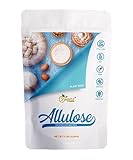
- 【AMAZING TASTE AND CALORIE-FREE】 Allulose is a monosaccharide or simple sugar that naturally exists in some fruits. It closely resembles the flavor of regular sugar but without any unpleasant aftertaste. Allulose is about 70% as sweet as sugar, but contains less than 10% of the calories found in sucrose, making it virtually calorie-free while still providing the natural sweetness of sugar.
- 【GREAT TEXTURE, VOLUME, AND CARAMELIZATION】 Allulose virtually replicates the texture and volume of sugar, while also demonstrating similar caramelization and thickening properties when used in baking and cooking. These exceptional characteristics set allulose apart as an excellent ingredient for achieving desired outcomes in a wide range of culinary applications that align with your healthy lifestyle.
- 【MORE ALLULOSE BLENDS】 Going beyond Allulose, G-Sweetz Allulose sweeteners broaden your options by blending with a variety of intensive sweeteners such as Monk Fruit extract, Stevia Extract, a combination of both, or the classic sucralose. Each sweetener series, derived from Allulose blends, provides a range of sweetness levels from 1X to 20X, ensuring both your sweet tooth and budget are perfectly catered to!
- 【HEALTHY CHOICES】 Upgrade your sweet experience with a sugary-tasting sweetener that's Keto-friendly, containing 0 net carbs. Our allulose is derived from natural ingredients and is free of GMOs, additives, artificial flavors, soy, and gluten. This sweetener is also vegan-friendly, tooth-friendly, and has zero sugar. Enjoy its delicious taste without worrying about any negative side effects.
- 【US QUALITY】 Our products are made and tested in accordance with approved product standards. Our facilities are registered with the FDA and comply with the regulations and licensing requirements of the New Jersey Department of Health and Earth Kosher. For any product inquiries, our US-based live support team is available to assist you.
3. Bloom Agar-Agar: In a separate small saucepan, whisk 2 teaspoons of agar-agar powder with about 1/2 cup of cold water. Let it sit for 5 minutes to “bloom.”
- Good: The agar-agar has absorbed the water and looks like a thick paste.
- Mistake: Adding agar-agar directly to hot liquid. It can clump and not set properly. Blooming ensures even distribution.
4. Heat Agar-Agar Mixture: Place the saucepan with the bloomed agar-agar over medium heat. Stir constantly until the mixture comes to a rolling boil. Let it boil for 1-2 minutes.
- Good: The mixture is clear and has thickened slightly. This activates the gelling power.
- Mistake: Not boiling it long enough. The jelly won’t set firmly. Follow the boiling time precisely.
5. Combine Coffee and Agar-Agar: Slowly pour the hot agar-agar mixture into your strong coffee. Whisk continuously until well combined.
- Good: The liquid is uniform in color and texture. No streaks of agar-agar or coffee.
- Mistake: Pouring too quickly or not whisking enough. This can lead to uneven gelling. A steady pour and whisk are key.
6. Taste and Adjust: Carefully taste the mixture. Add more sweetener if desired, or a splash of coffee liqueur if you’re feeling fancy.
- Good: The flavor is balanced and exactly how you like it.
- Mistake: Skipping this step. You might end up with jelly that’s too sweet or not sweet enough. Always taste before chilling.
7. Pour into Molds: Pour the liquid into individual ramekins, a single serving bowl, or even an ice cube tray for bite-sized pieces.
- Good: The liquid is evenly distributed in the containers.
- Mistake: Overfilling the molds. You want a bit of space for toppings.
8. Chill to Set: Refrigerate the coffee jelly for at least 3-4 hours, or until completely firm.
- Good: The jelly is solid and has a nice wobble when you gently shake the container.
- Mistake: Not chilling long enough. The jelly will be too soft and might collapse when unmolded. Patience is a virtue here.
9. Unmold (Optional): If serving unmolded, dip the bottom of the mold briefly in hot water, then invert onto a plate.
- Good: The jelly slides out cleanly onto the plate.
- Mistake: Rushing the unmolding. If it sticks, try a quick dip in hot water again.
10. Serve: Top with a dollop of whipped cream, sweetened condensed milk, or a splash of your favorite coffee creamer.
- Good: It looks and tastes like a gourmet dessert.
- Mistake: Not serving it with a creamy element. It’s the classic pairing for a reason.
Common mistakes (and what happens if you ignore them)
| Mistake | What it causes | Fix |
|---|---|---|
| Using weak coffee | Bland, watery jelly | Brew coffee at a stronger ratio (e.g., 1:8 or 1:6). |
| Not dissolving sweetener completely | Gritty texture in the jelly | Stir until all sugar crystals are gone before adding agar-agar. |
| Not blooming agar-agar | Clumpy jelly that doesn’t set evenly | Whisk agar-agar with cold water and let it sit for 5 minutes. |
| Not boiling agar-agar mixture | Jelly won’t set firmly | Boil the agar-agar mixture for 1-2 minutes to activate it. |
| Adding agar-agar mixture too quickly | Uneven gelling, streaks in the jelly | Pour the agar-agar mixture slowly into the coffee while whisking. |
| Not tasting and adjusting flavor | Jelly is too sweet, not sweet enough, or bland | Taste the liquid mixture before chilling and adjust as needed. |
| Not chilling long enough | Soft, wobbly jelly that won’t hold its shape | Refrigerate for at least 3-4 hours until fully firm. |
| Using old or stale coffee beans | Flat, dull coffee flavor | Use freshly roasted and ground coffee beans. |
| Not using filtered water | Off-flavors interfering with coffee taste | Use filtered or bottled water for brewing and mixing. |
| Over-boiling the coffee itself | Bitter coffee flavor that carries into the jelly | Brew coffee at the correct temperature and time for your method. |
Decision rules (simple if/then)
- If the jelly is too soft, then add a little more agar-agar next time because it needs more gelling power.
- If the jelly is too sweet, then reduce the sweetener amount next time because you can always add more flavor later.
- If the coffee flavor is weak, then brew your coffee stronger or use more grounds next time because concentration is key.
- If you want a firmer jelly, then increase the agar-agar slightly or reduce the liquid volume next time because agar-agar sets more rigidly than gelatin.
- If you notice clumps in the agar-agar mixture, then whisk vigorously to break them up before combining with coffee because clumps prevent even setting.
- If the jelly has an unpleasant aftertaste, then check your water quality or the freshness of your coffee beans because these are common culprits.
- If you want a smoother texture, then ensure the agar-agar is fully dissolved and boiled because this helps create a uniform gel.
- If the jelly doesn’t unmold cleanly, then try a slightly longer dip in hot water next time because a quick heat helps release the edges.
- If you prefer a less sweet dessert, then start with a smaller amount of sweetener and add more gradually because you can always add, but you can’t take away.
- If you want to experiment with flavor, then add a splash of vanilla extract or a bit of coffee liqueur to the mixture before chilling because these complement coffee well.
FAQ
What kind of coffee should I use?
Strongly brewed coffee is best. Cold brew concentrate works great for a smooth, less acidic base. Espresso also adds a nice punch.
Can I use gelatin instead of agar-agar?
Yes, you can, but the texture will be different – more jiggly and less firm. You’ll typically need about 1 tablespoon of unflavored gelatin per 2 cups of liquid, bloomed in cold water first.
How long does coffee jelly last in the fridge?
Coffee jelly will typically last for about 3-5 days when stored in an airtight container in the refrigerator.
Can I make this sugar-free?
Absolutely. Use your favorite sugar substitute, like stevia or erythritol, adjusting the amount to your taste.
What are some other serving suggestions?
Besides cream, try it with a scoop of vanilla ice cream, a drizzle of caramel sauce, or even some fresh berries.
Is it okay to add milk directly to the coffee jelly mixture?
It’s generally better to add cream or condensed milk as a topping. Adding too much dairy directly to the mixture can sometimes affect the setting of the agar-agar.
Why is my coffee jelly not setting?
This usually happens if the agar-agar wasn’t bloomed or boiled long enough, or if the ratio of agar-agar to liquid was too low.
Can I make coffee jelly in advance?
Yes, coffee jelly is a great make-ahead dessert. It needs several hours to set, so chilling it overnight is a good plan.
What this page does NOT cover (and where to go next)
- Advanced coffee brewing techniques for specific flavor profiles.
- Detailed comparisons of different gelling agents beyond agar-agar and gelatin.
- Recipes for homemade coffee liqueurs or advanced dairy toppings.
- Nutritional breakdowns of coffee jelly.
- History of coffee jelly or its origins.